White Bread VS Bread Rolls
A detailed nutritional comparison
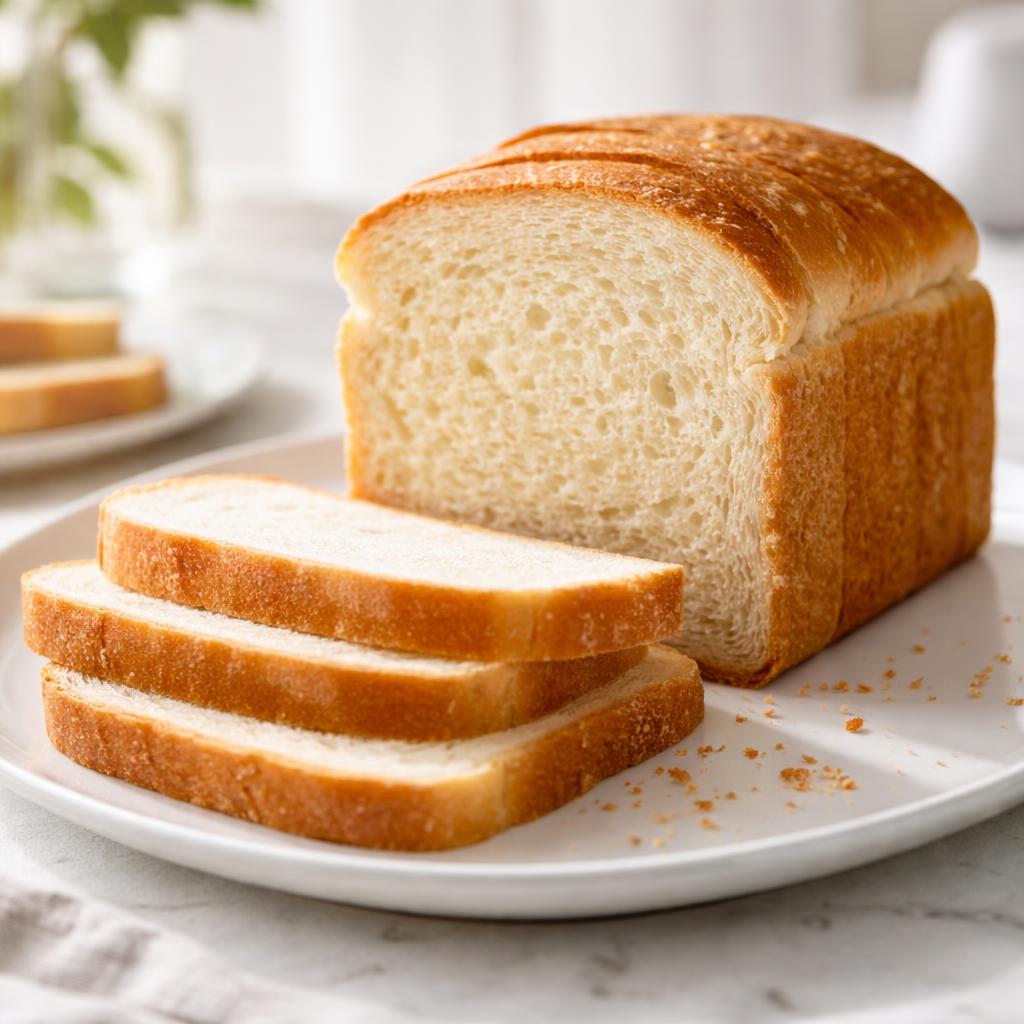
White Bread

Bread Rolls
🎯 Quick Verdict
White bread and bread rolls have similar calorie and macronutrient profiles, but bread rolls tend to have slightly more fiber. White bread is lower in calories, making it a better choice for calorie-conscious diets, while bread rolls provide better satiety due to their fiber content. Both are widely accessible and versatile options for sandwiches and side dishes.

Smart Nutrition Tracking with SnapCalorie

📊 Nutritional Comparison
Macronutrients
| Nutrient | Food 1 | Food 2 | Winner |
|---|---|---|---|
| Calories | 79 kcal (1 slice, 25g) | 130 kcal (1 roll, 50g) | ✓ |
| Protein | 2.7g | 2.8g | − |
| Carbs | 14.6g | 25g | ✓ |
| Fat | 0.7g | 1.2g | ✓ |
| Fiber | 0.7g | 1.5g | ✓ |
Vitamins & Minerals
| Nutrient | Food 1 | Food 2 | Winner |
|---|---|---|---|
| Vitamin B6 | 0.04mg | 0.03mg | ✓ |
| Folate | 30mcg | 25mcg | ✓ |
| Iron | 0.7mg | 0.8mg | ✓ |
🏆 Category Winners
Protein
Both white bread and bread rolls provide nearly identical levels of protein (2.7g vs. 2.8g per serving).
Fiber
Bread rolls have more fiber, offering 1.5g per serving compared to white bread's 0.7g.
Calories
White bread is lower in calories per serving (79 kcal vs. 130 kcal).
🥗 Diet Compatibility
Keto
Food 1: Not Compatible
Food 2: Not Compatible
Both are high in carbohydrates (14.6g and 25g per serving).
Vegan
Food 1: Compatible
Food 2: Compatible
Both foods are plant-based and contain no animal-derived ingredients.
Gluten Free
Food 1: Not Compatible
Food 2: Not Compatible
Both contain gluten due to wheat content.
Paleo
Food 1: Not Compatible
Food 2: Not Compatible
Neither fits paleo guidelines as both are grain-based.
Low Carb
Food 1: Not Compatible
Food 2: Not Compatible
Both have similar carbohydrate amounts, which are unsuitable for low-carb diets.
💪 Health Benefits Comparison
Food 1 Benefits
- Easily digestible for most individuals
- Lower calorie content for weight management
- Provides folate, supporting cell growth and function
Food 2 Benefits
- Higher fiber content supports digestive health
- Better satiety due to denser structure
- Contains slightly more iron for oxygen transport in the body
✅ The Bottom Line
White bread is the better choice for those looking for a lower-calorie option for weight management, while bread rolls are better for satiety and slightly higher nutrient-density (fiber and iron). Both are versatile for sandwiches, snacks, or side dishes with meals.
Choose Food 1 for: Calorie-conscious diets, quick sandwiches, lighter meals
Choose Food 2 for: Greater satiety, higher fiber intake, sturdier sandwich option


