Wheat Toast VS Rice And Beans
A detailed nutritional comparison
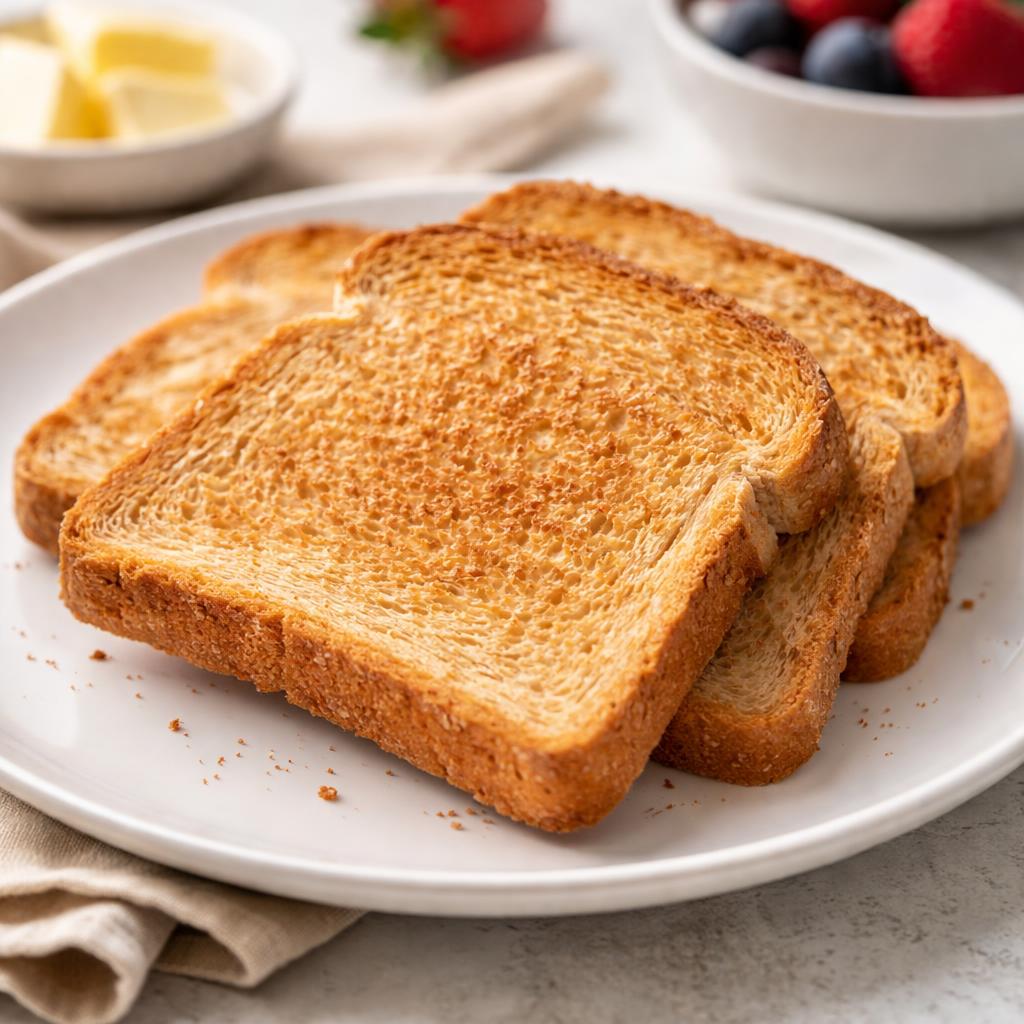
Wheat Toast
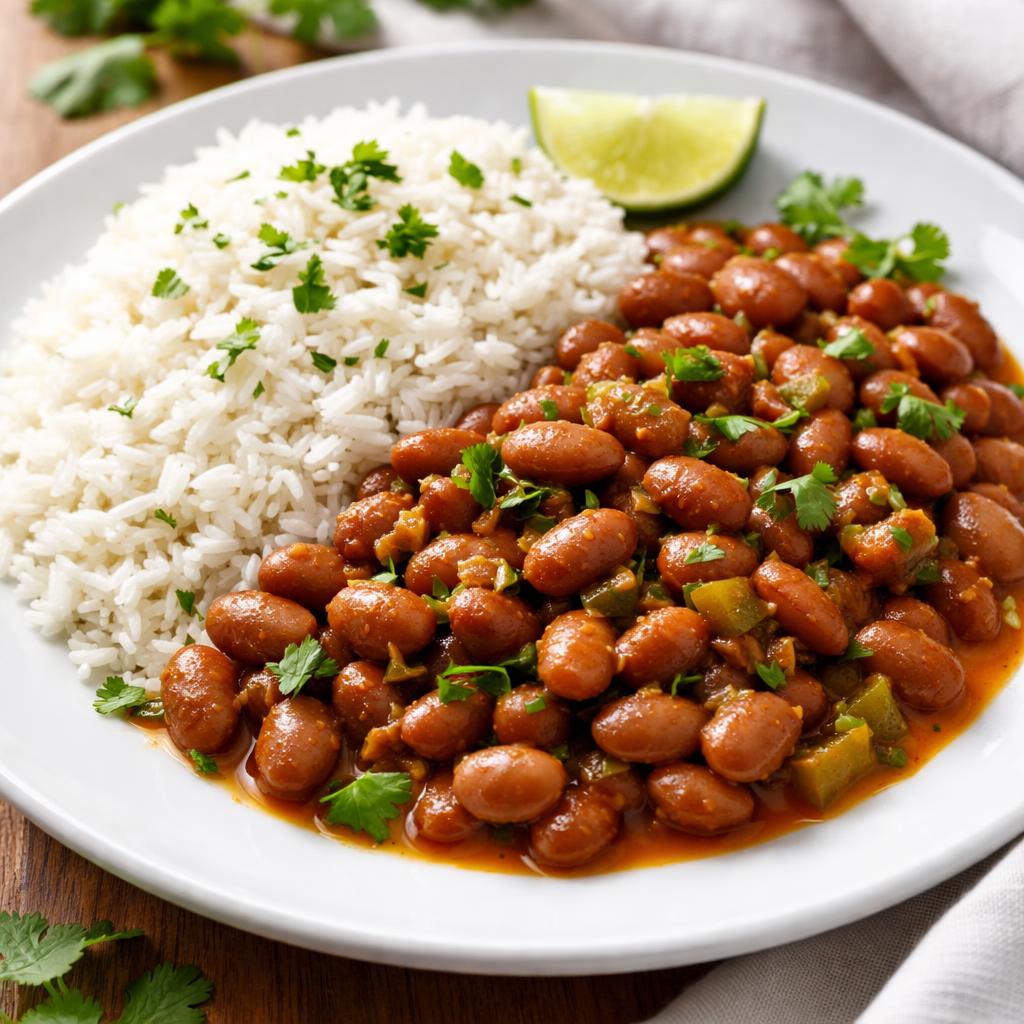
Rice And Beans
🎯 Quick Verdict
Rice and beans offer a more complete nutrient profile, including higher protein and fiber, making them suitable for hearty and longer-lasting meals. Wheat toast is lower in calories and easy to digest, ideal for lighter snacks or weight management. Choose based on calorie needs and nutrient priorities.

Smart Nutrition Tracking with SnapCalorie

📊 Nutritional Comparison
Macronutrients
| Nutrient | Food 1 | Food 2 | Winner |
|---|---|---|---|
| Calories | 150 | 250 | ✓ |
| Protein | 4g | 9g | ✓ |
| Carbs | 30g | 45g | ✓ |
| Fat | 2g | 2g | − |
| Fiber | 2g | 6g | ✓ |
Vitamins & Minerals
| Nutrient | Food 1 | Food 2 | Winner |
|---|---|---|---|
| Vitamin D | 0mcg | 0mcg | − |
| Calcium | 25mg | 40mg | ✓ |
| Iron | 1mg | 2mg | ✓ |
🏆 Category Winners
Protein
Rice and beans provide more than double the protein of wheat toast, ideal for muscle support.
Fiber
Rice and beans have three times the fiber, excellent for digestion and satiety.
Calories
Wheat toast is 40% lower in calories per serving than rice and beans.
Vitamins
Rice and beans provide more calcium and iron per serving.
🥗 Diet Compatibility
Keto
Food 1: Not Compatible
Food 2: Not Compatible
Both are high in carbs and unsuitable for ketogenic diets.
Vegan
Food 1: Compatible
Food 2: Compatible
Both are plant-based foods.
Gluten Free
Food 1: Not Compatible
Food 2: Compatible
Wheat toast contains gluten; rice and beans are gluten-free.
Paleo
Food 1: Not Compatible
Food 2: Not Compatible
Neither align with paleo guidelines due to grains and legumes.
Low-Carb
Food 1: Not Compatible
Food 2: Not Compatible
Both are medium to high in carbohydrates, unsuitable for low-carb diets.
💪 Health Benefits Comparison
Food 1 Benefits
- Lower calorie option for weight management
- Source of quick energy from carbs
- Contains trace minerals like selenium and manganese
Food 2 Benefits
- Complete protein profile for muscle repair
- High in fiber for digestion and satiety
- Contains iron and magnesium for energy production
✅ The Bottom Line
Wheat toast is a light and lower-calorie choice, suitable for snacks or weight-conscious diets. Rice and beans are nutrient-dense and protein-rich, ideal for hearty meals or plant-based diets. Choose based on your calorie and protein needs.
Choose Food 1 for: Weight management, short-term energy boost, easy-to-digest snacks
Choose Food 2 for: Muscle repair, sustained satiety, balanced plant-based meals


