Wheat Toast VS Daves Killer Bread
A detailed nutritional comparison
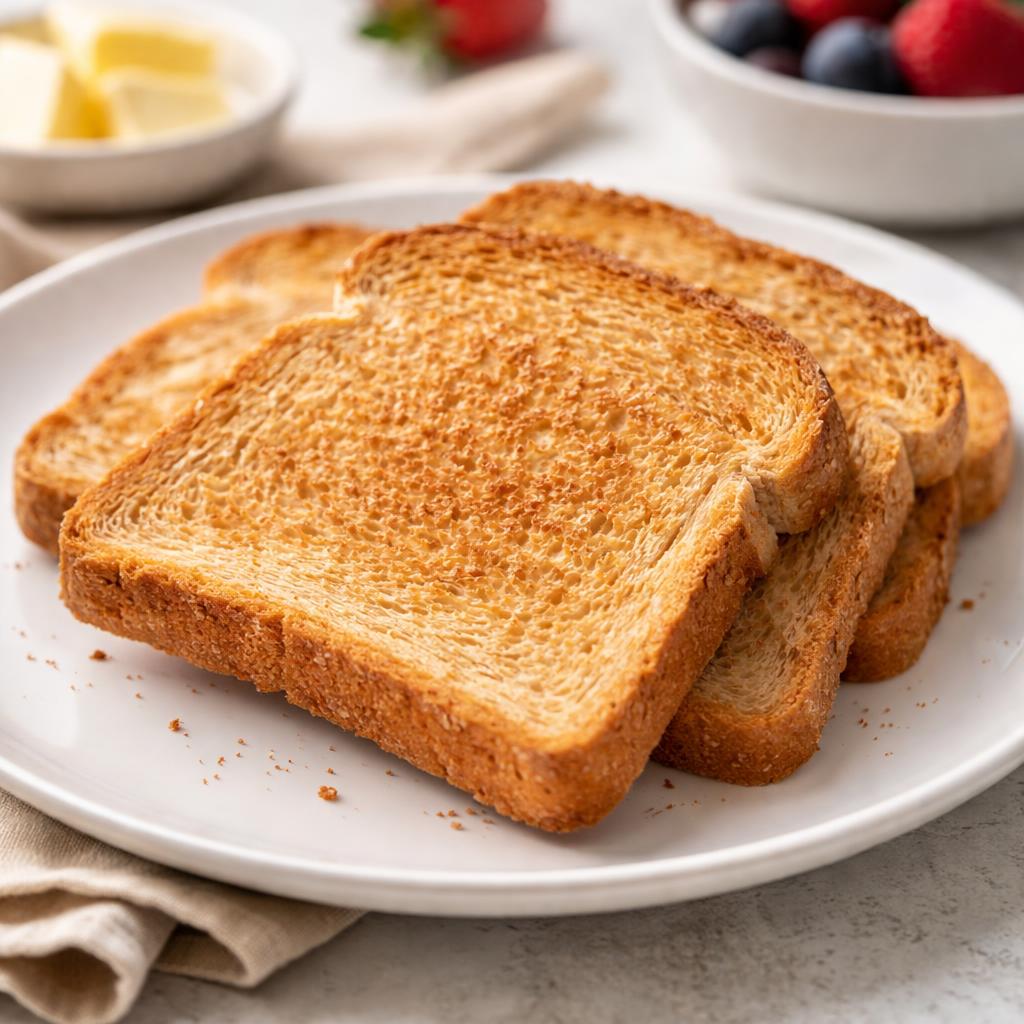
Wheat Toast
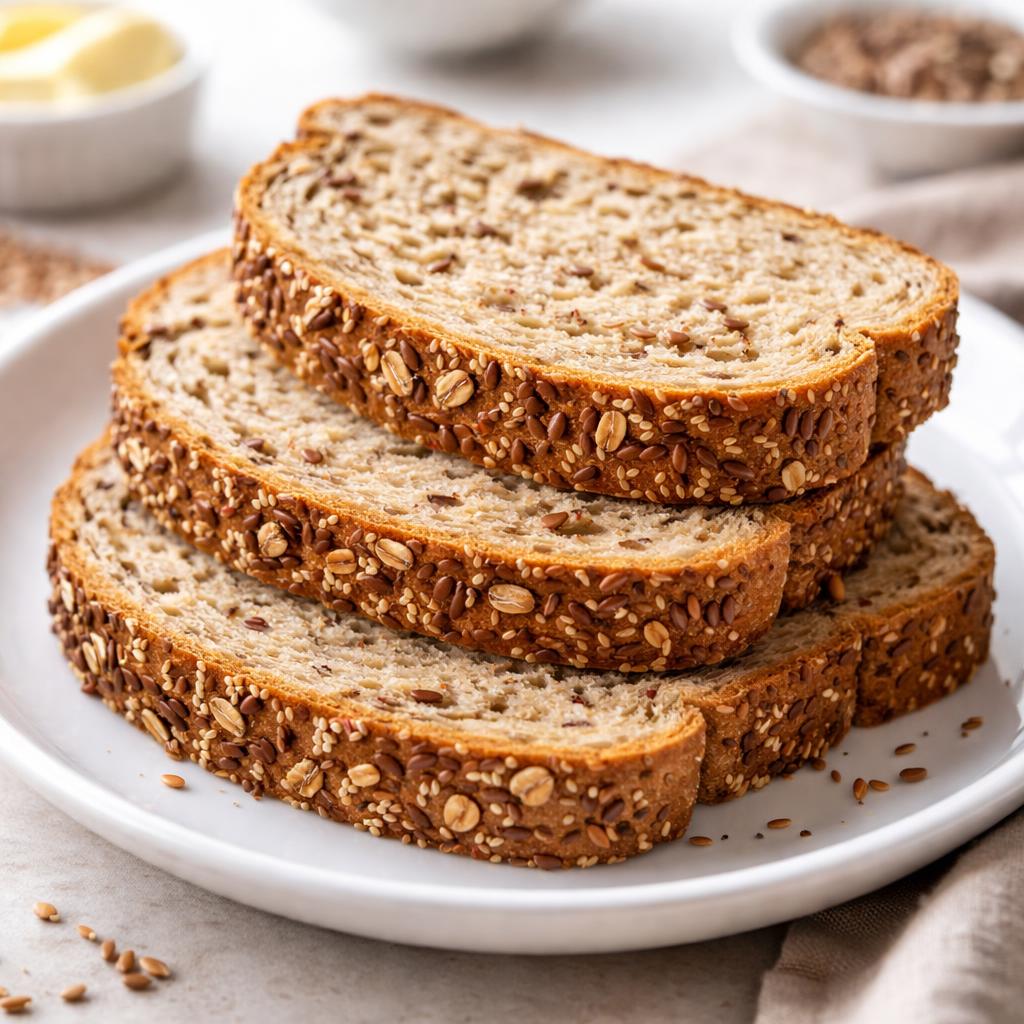
Daves Killer Bread
🎯 Quick Verdict
Dave’s Killer Bread outshines wheat toast in terms of protein, fiber, and nutrient density, providing additional vitamins and minerals like iron and omega-3s. Traditional wheat toast is slightly simpler, making it a suitable low-key option for basic, minimal diets or calorie tracking. Both are versatile, but Dave’s Killer Bread offers more health benefits overall due to its enriched composition.

Smart Nutrition Tracking with SnapCalorie

📊 Nutritional Comparison
Macronutrients
| Nutrient | Food 1 | Food 2 | Winner |
|---|---|---|---|
| Calories | 100 kcal | 100 kcal | − |
| Protein | 3g | 5g | − |
| Carbs | 18g | 22g | − |
| Fat | 1g | 2g | − |
| Fiber | 2g | 5g | − |
Vitamins & Minerals
| Nutrient | Food 1 | Food 2 | Winner |
|---|---|---|---|
| Vitamin D | 0mcg | 0mcg | − |
| Calcium | 20mg | 30mg | − |
| Iron | 0.8mg | 1.4mg | − |
| Omega-3 | 0mg | 200mg | − |
🏆 Category Winners
Protein
Dave's Killer Bread contains 66% more protein than wheat toast per slice.
Fiber
Dave's Killer Bread has 150% more fiber per slice, aiding digestion.
Calories
Both foods contain 100 calories per slice, making calorie intake neutral.
Vitamins
Dave's Killer Bread is enriched with more iron, calcium, and omega-3 fatty acids.
🥗 Diet Compatibility
Keto
Food 1: Not Compatible
Food 2: Not Compatible
Both foods are too high in carbohydrates for a keto diet.
Vegan
Food 1: Compatible
Food 2: Compatible
Neither product contains animal-derived ingredients, satisfying vegan diets.
Gluten Free
Food 1: Not Compatible
Food 2: Not Compatible
Both foods contain wheat-based components, making them unsuitable for gluten-free diets.
Paleo
Food 1: Not Compatible
Food 2: Not Compatible
Grains are excluded from paleo diets, so neither food qualifies.
Low-Carb
Food 1: Not Compatible
Food 2: Not Compatible
Carbohydrate content is too high to meet low-carb diet thresholds.
💪 Health Benefits Comparison
Food 1 Benefits
- Basic energy source from carbs for quick fuel
- Low fat and calorie content helps with calorie tracking
- Provides a small amount of fiber for gut health
Food 2 Benefits
- High protein content supports muscle maintenance and recovery
- Rich fiber content aids digestion and prolongs satiety
- Enriched with omega-3 for heart and brain health
- Contains iron and calcium for bone and blood health
✅ The Bottom Line
Dave’s Killer Bread is the better choice for overall nutrition, delivering more protein, fiber, and essential nutrients for long-term health. Wheat toast remains a simpler, low-cost option that fits into basic or calorie-conscious diets.
Choose Food 1 for: Basic breakfasts, calorie tracking, simpler diets
Choose Food 2 for: Health-conscious diets, post-workout recovery, nutrient density


