Wheat Bread VS Multi Grain Bread
A detailed nutritional comparison
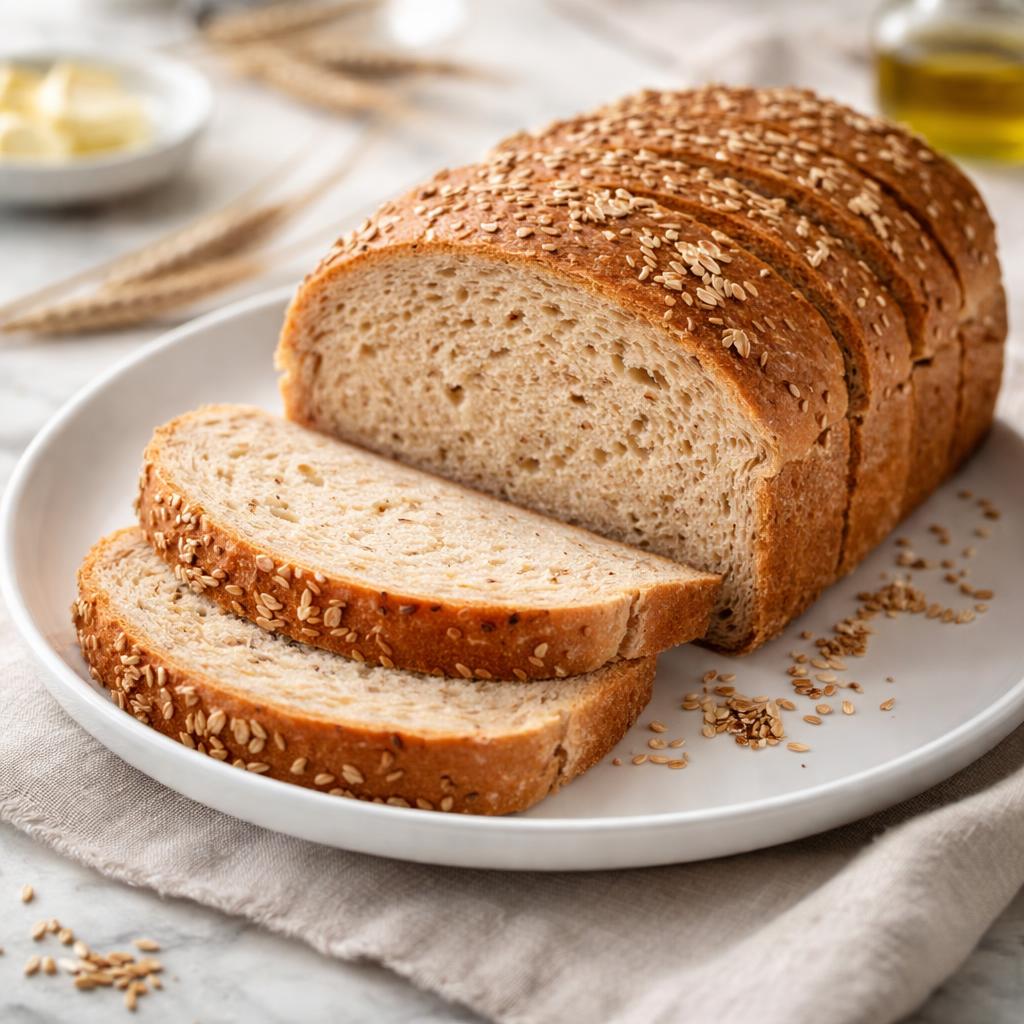
Wheat Bread
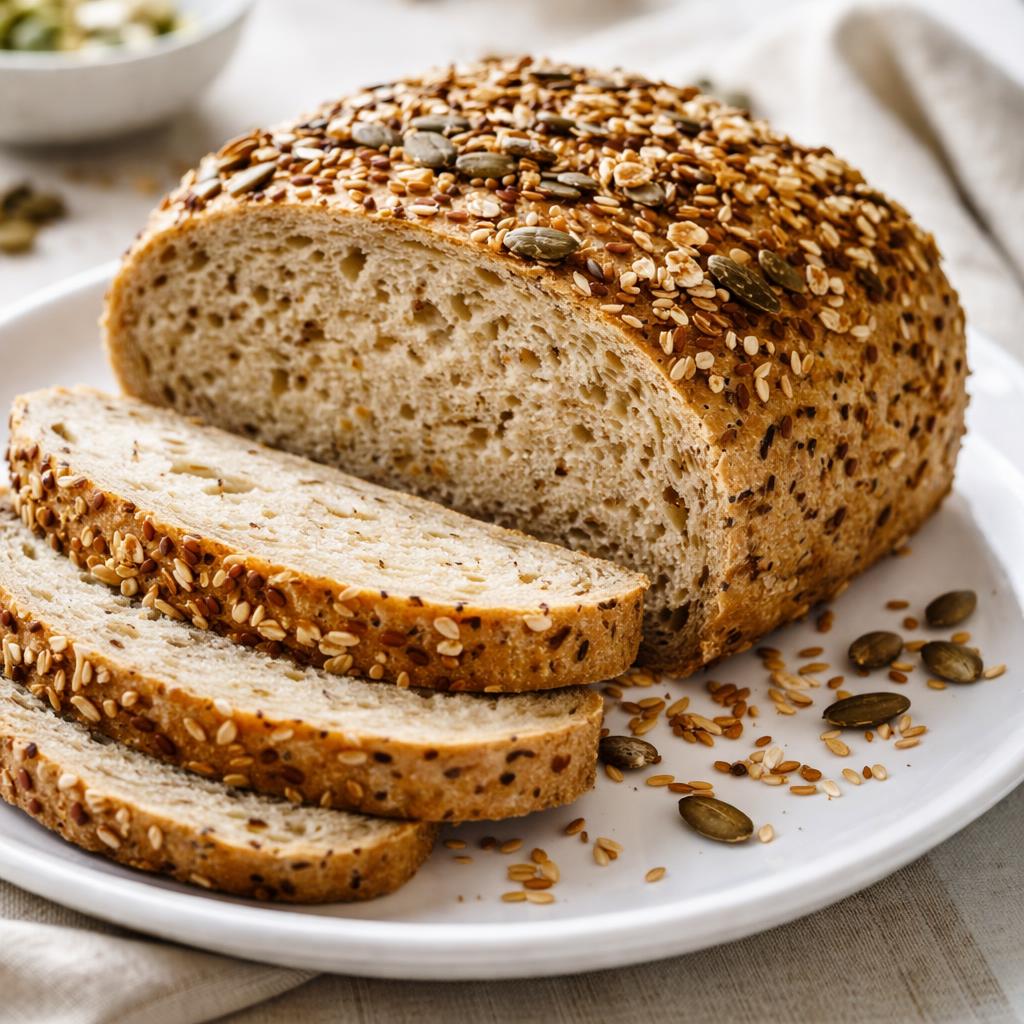
Multi Grain Bread
🎯 Quick Verdict
Multi grain bread is nutritionally superior to wheat bread, offering more protein and fiber per serving, while both have similar calorie counts. Wheat bread is simpler and suits those seeking a more basic carbohydrate option, while multi grain bread provides increased nutrient density and heart-healthy benefits due to its varied grain composition.

Smart Nutrition Tracking with SnapCalorie

📊 Nutritional Comparison
Macronutrients
| Nutrient | Food 1 | Food 2 | Winner |
|---|---|---|---|
| Calories | 80 | 80 | − |
| Protein | 4g | 5g | − |
| Carbs | 14g | 15g | − |
| Fat | 1g | 1.5g | − |
| Fiber | 1.9g | 3g | − |
Vitamins & Minerals
| Nutrient | Food 1 | Food 2 | Winner |
|---|---|---|---|
| Vitamin D | 0mcg | 0mcg | − |
| Calcium | 30mg | 35mg | − |
| Iron | 0.8mg | 1.2mg | − |
🏆 Category Winners
Protein
Multi grain bread contains 25% more protein per serving.
Fiber
Multi grain bread has 58% more fiber per serving.
Calories
Both breads provide similar calorie counts at 80 calories per serving.
🥗 Diet Compatibility
Keto
Food 1: Not Compatible
Food 2: Not Compatible
Both breads are high in carbs and unsuitable for keto diets.
Vegan
Food 1: Compatible
Food 2: Compatible
Both breads are plant-based.
Gluten Free
Food 1: Not Compatible
Food 2: Not Compatible
Both breads contain gluten.
Paleo
Food 1: Not Compatible
Food 2: Not Compatible
Grain-based breads do not fit paleo guidelines.
Low-Carb
Food 1: Not Compatible
Food 2: Not Compatible
With 14-15g carbs per serving, both breads exceed low-carb thresholds.
💪 Health Benefits Comparison
Food 1 Benefits
- Simple and easy digestibility
- Provides quick energy from carbohydrates
- Contains essential B vitamins like folic acid
Food 2 Benefits
- Higher fiber aids digestion and improves gut health
- Contains antioxidants and healthy fatty acids from seeds
- Provides a broader range of minerals from varied grains
✅ The Bottom Line
Multi grain bread offers better overall nutrition for fiber, protein, and mineral content, making it ideal for nutrient-dense meals or heart health. Wheat bread is simpler and may suit individuals with milder digestion needs or basic carb requirements.
Choose Food 1 for: Simpler diets, quick energy, basic sandwiches
Choose Food 2 for: Heart health, nutrient density, digestion support


