Vermicelli Noodles VS Glass Noodles
A detailed nutritional comparison
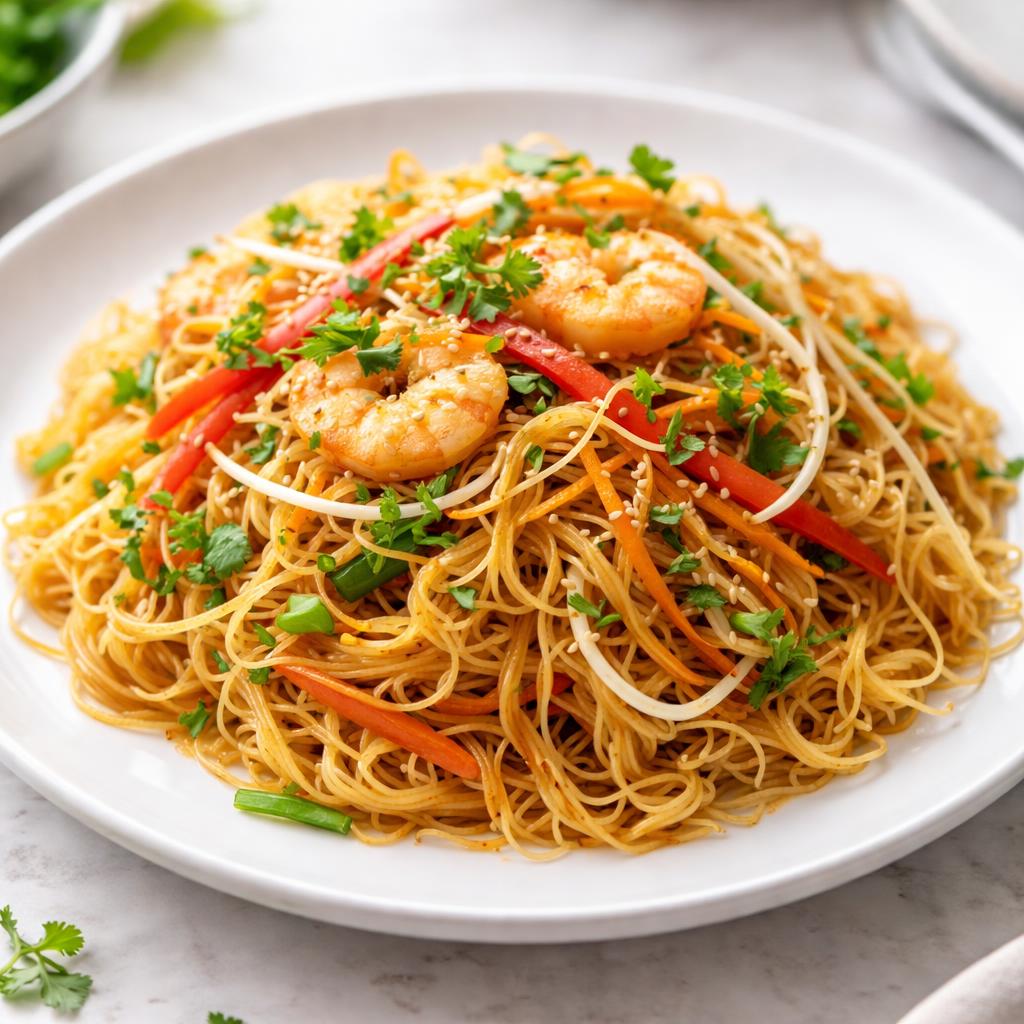
Vermicelli Noodles
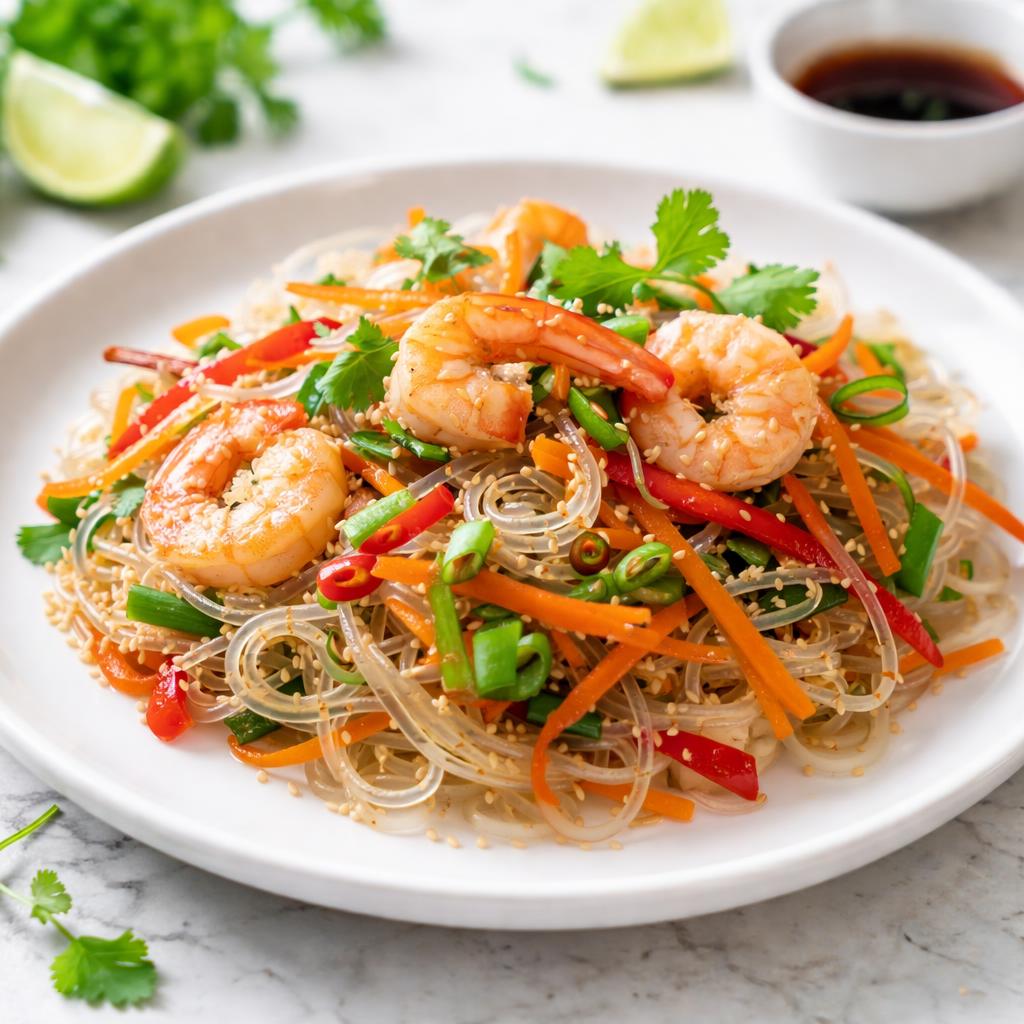
Glass Noodles
🎯 Quick Verdict
Vermicelli noodles and glass noodles both serve as versatile base ingredients in various dishes but differ nutritionally. Vermicelli noodles provide slightly more protein and fiber, making them better for satiety and muscle support, while glass noodles are lower-carb and offer sustained energy, better suiting some specific diet formats like low-carb plans. Both are similarly low-calorie options ideal for balanced meals.

Smart Nutrition Tracking with SnapCalorie

📊 Nutritional Comparison
Macronutrients
| Nutrient | Food 1 | Food 2 | Winner |
|---|---|---|---|
| Calories | − | ||
| Protein | − | ||
| Carbs | − | ||
| Fat | − | ||
| Fiber | − |
Vitamins & Minerals
| Nutrient | Food 1 | Food 2 | Winner |
|---|---|---|---|
| Calcium | − | ||
| Iron | − | ||
| Vitamin D | − |
🏆 Category Winners
Protein
Provides nearly 10x more protein (3g vs 0.3g per 100g).
Fiber
Contains 1g of fiber compared to 0g in glass noodles.
Calories
Both have identical calorie content of 190 calories per 100g.
Vitamins
Slightly more nutrient-dense with small amounts of calcium and iron.
🥗 Diet Compatibility
Keto
Food 1: Unknown
Food 2: Unknown
Both are high in carbs and unsuitable for keto diets.
Vegan
Food 1: Unknown
Food 2: Unknown
Both are plant-based noodle options.
Gluten Free
Food 1: Unknown
Food 2: Unknown
Glass noodles are typically made from gluten-free starches like mung bean or potato, while vermicelli may contain wheat.
Paleo
Food 1: Unknown
Food 2: Unknown
Glass noodles made from non-grain starches fit paleo guidelines.
Low-Carb
Food 1: Unknown
Food 2: Unknown
Glass noodles have fewer carbs per serving, although they are still not extremely low-carb.
💪 Health Benefits Comparison
Food 1 Benefits
Food 2 Benefits
✅ The Bottom Line
Choose vermicelli noodles for higher protein and fiber content, ideal for muscle support and digestion. Glass noodles are more suitable for gluten-free or paleo diets and as a lower-carb option. Both work well in soups, stir-fries, or salads but fit different dietary priorities.


