Udon Noodles VS Lo Mein Noodles
A detailed nutritional comparison
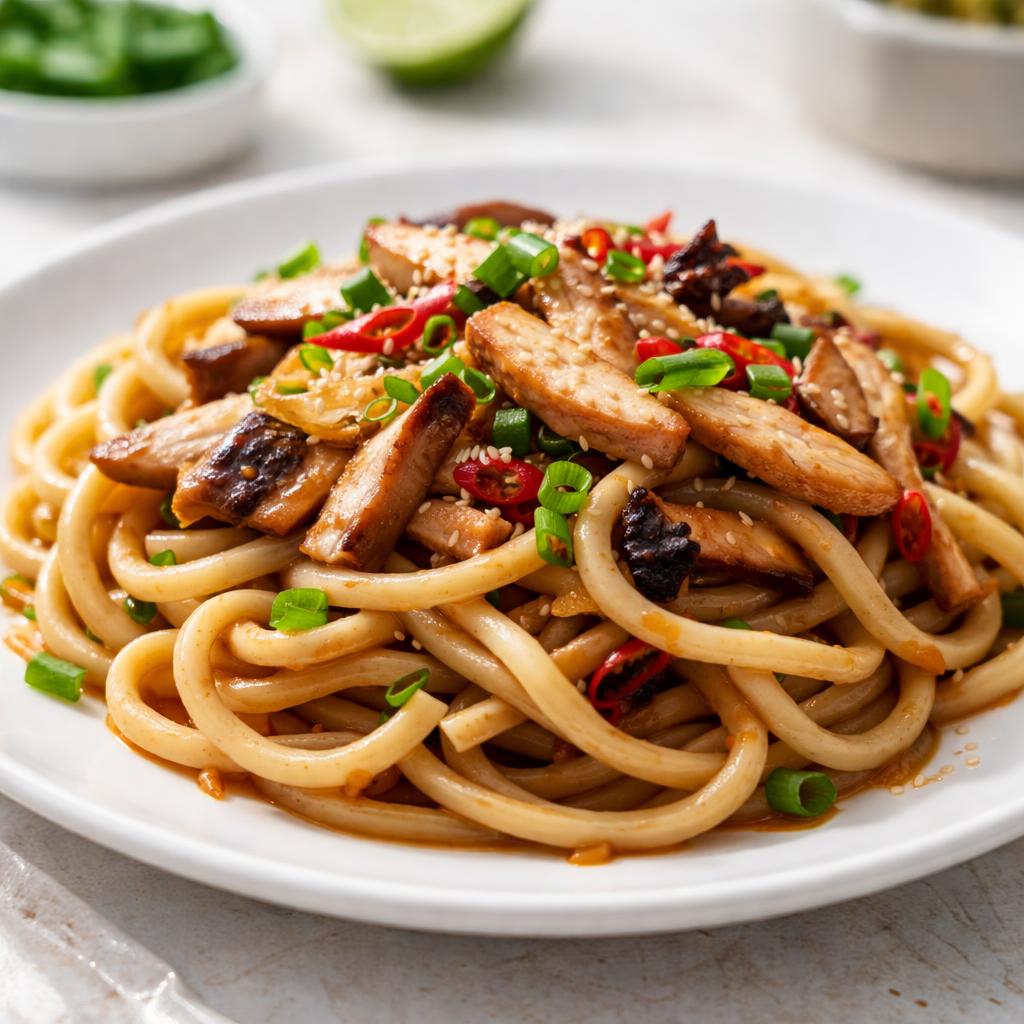
Udon Noodles
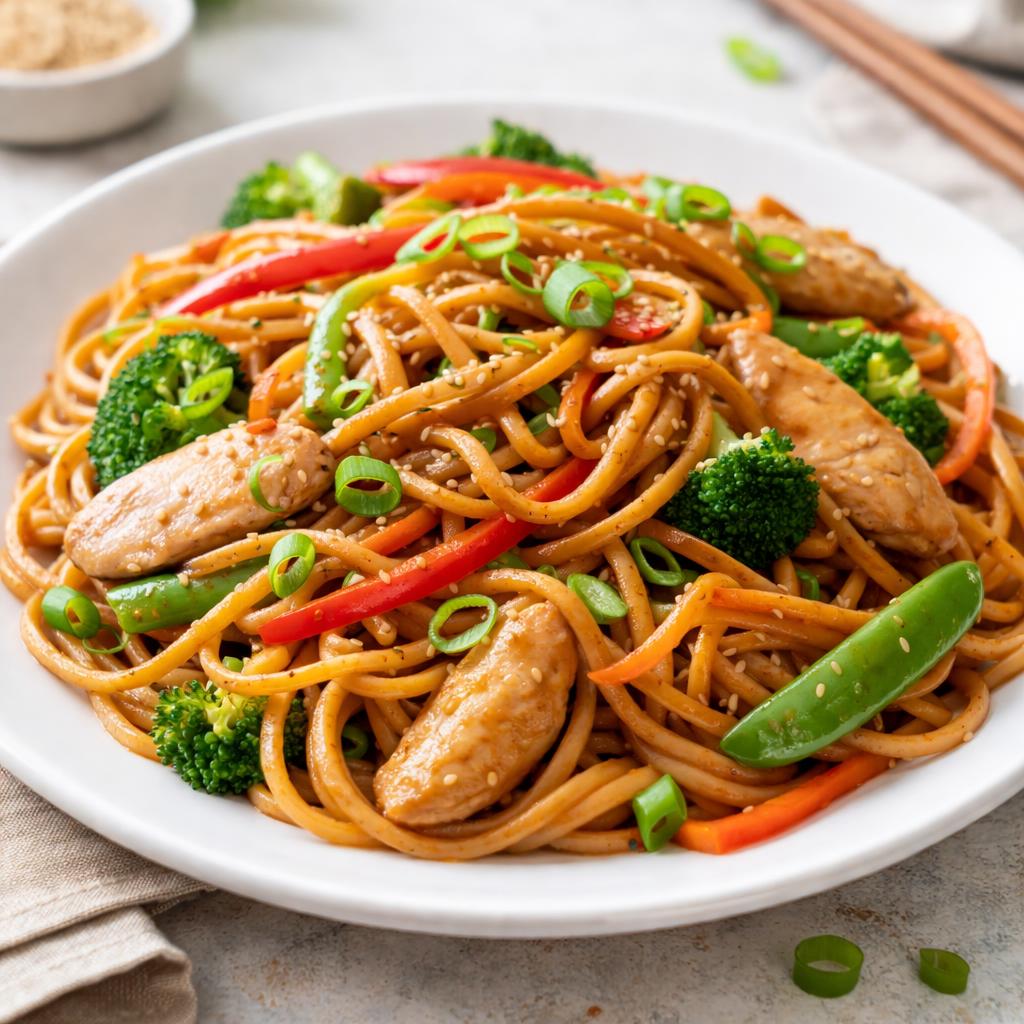
Lo Mein Noodles
🎯 Quick Verdict
Lo mein noodles tend to have slightly higher protein and fiber content compared to udon noodles, making them the better choice for those seeking sustained energy and improved digestion. Udon noodles, however, have fewer calories per serving, making them a lighter option for weight management. Both provide essential energy from carbohydrates and pair well with various protein and vegetable sources.

Smart Nutrition Tracking with SnapCalorie

📊 Nutritional Comparison
Macronutrients
| Nutrient | Food 1 | Food 2 | Winner |
|---|---|---|---|
| Calories | 211 (per cooked cup) | 250 (per cooked cup) | ✓ |
| Protein | 5g | 8g | ✓ |
| Carbs | 40g | 43g | ✓ |
| Fat | 1g | 3g | ✓ |
| Fiber | 1g | 2g | ✓ |
Vitamins & Minerals
| Nutrient | Food 1 | Food 2 | Winner |
|---|---|---|---|
| Vitamin B6 | 0.1mg | 0.12mg | ✓ |
| Iron | 1.1mg | 1.5mg | ✓ |
| Magnesium | 15mg | 20mg | ✓ |
🏆 Category Winners
Protein
Lo mein noodles contain 60% more protein per cup.
Fiber
Lo mein noodles provide twice the fiber per cup compared to udon noodles.
Calories
Udon noodles contain 16% fewer calories per serving.
🥗 Diet Compatibility
Keto
Food 1: Not Compatible
Food 2: Not Compatible
Both are high in carbohydrates and not suitable for keto diets.
Vegan
Food 1: Compatible
Food 2: Compatible
Both noodles are typically made without animal products.
Gluten Free
Food 1: Not Compatible
Food 2: Not Compatible
Traditional udon and lo mein noodles contain wheat and are not gluten-free.
Paleo
Food 1: Not Compatible
Food 2: Not Compatible
Both are made from refined grains and do not align with paleo principles.
Low-Carb
Food 1: Not Compatible
Food 2: Not Compatible
High carbohydrate content in both foods makes them unsuitable for strict low-carb diets.
💪 Health Benefits Comparison
Food 1 Benefits
- Lower calorie option for weight management
- Provides energy from carbohydrates
- Pairs well with fresh vegetables and lean proteins
Food 2 Benefits
- Higher protein supports muscle maintenance
- Provides more fiber for digestive health
- Rich in iron compared to udon noodles
✅ The Bottom Line
If you're aiming for fewer calories or a lighter meal, udon noodles are the better choice. On the other hand, lo mein noodles offer more protein and fiber, making them ideal for sustaining energy and supporting digestion. Both work well with protein and vegetables in stir-fry dishes.
Choose Food 1 for: Weight management, lighter meals, carb energy
Choose Food 2 for: Sustained energy, higher protein needs, improved digestion


