Udon Noodles VS Dry Pasta
A detailed nutritional comparison
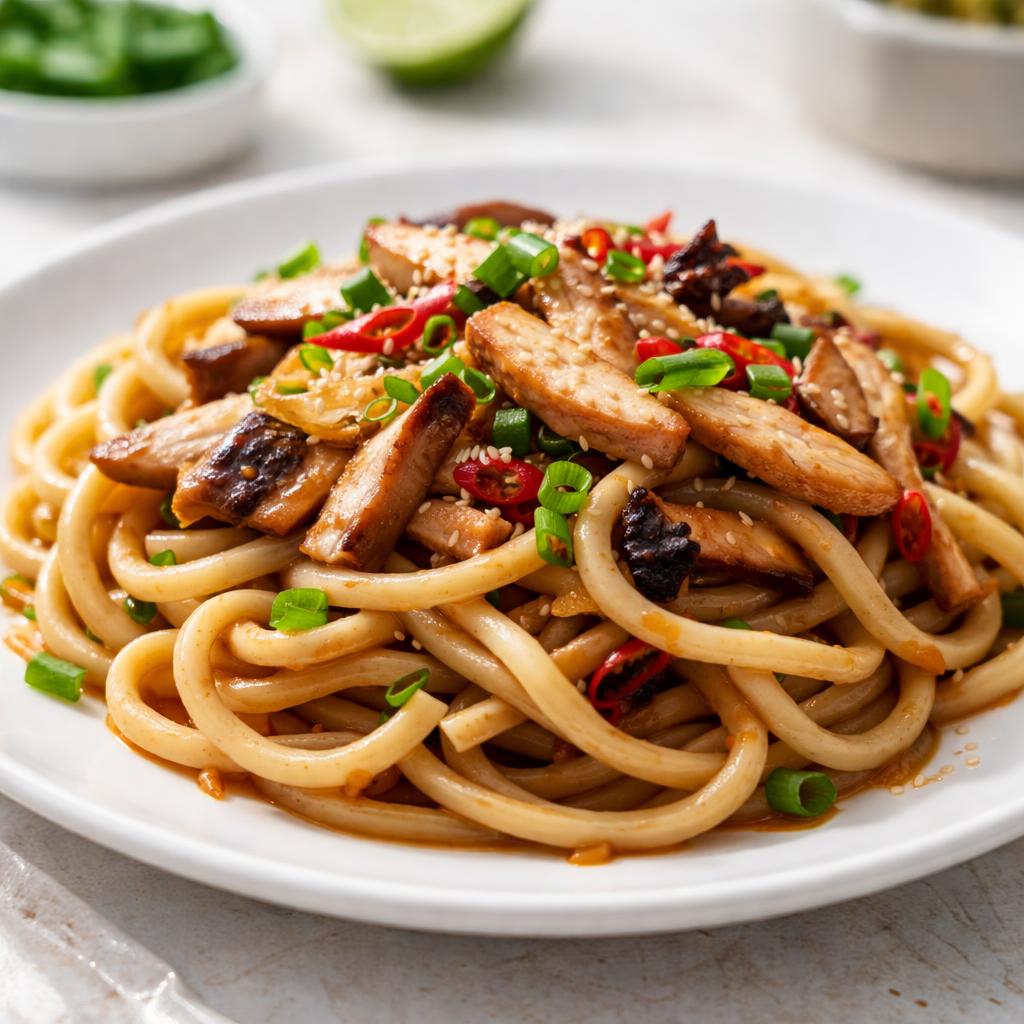
Udon Noodles
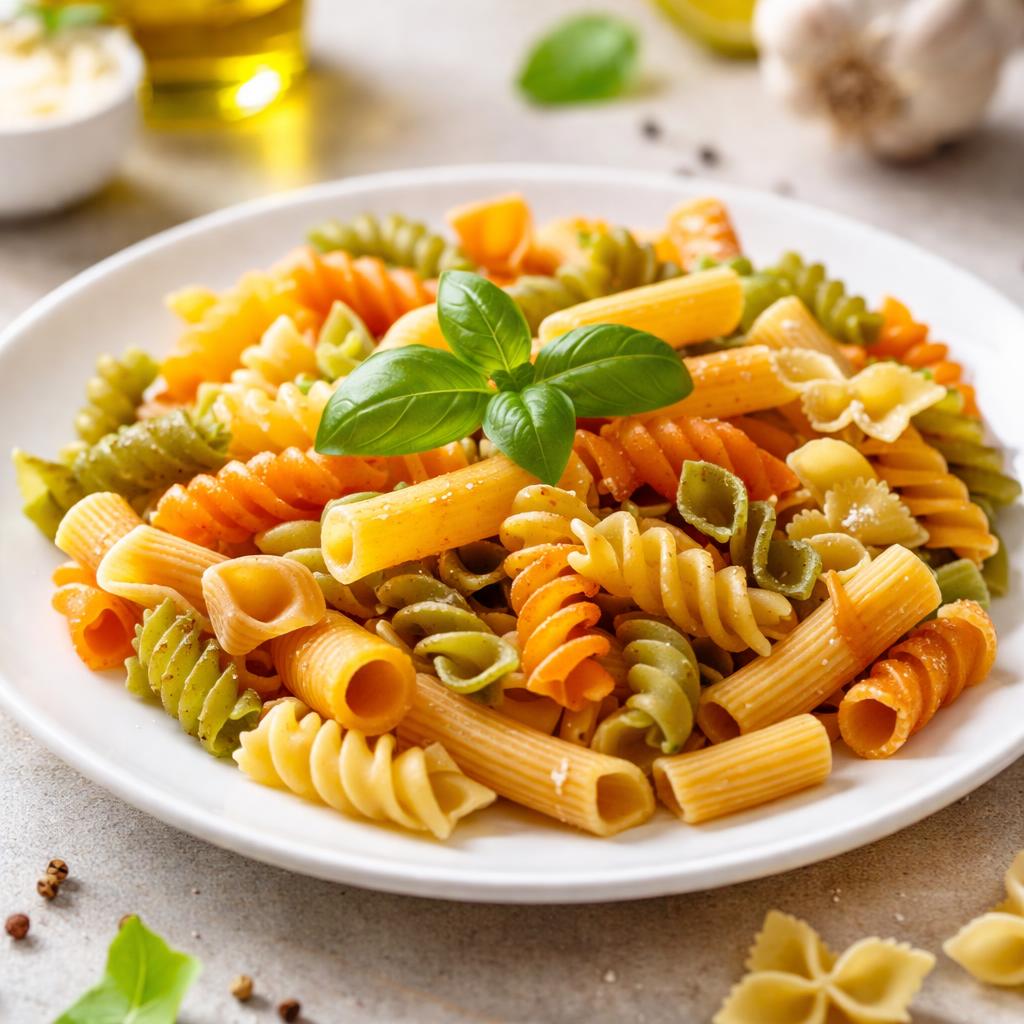
Dry Pasta
🎯 Quick Verdict
Dry pasta tends to be slightly more nutrient-dense compared to udon noodles, offering more protein, fiber, and micronutrients. Udon noodles, on the other hand, are lower in fat and provide a smoother texture, making them a good choice for light meals or stir-fry dishes. Consider your dietary goals and cuisine preferences when choosing between these options.

Smart Nutrition Tracking with SnapCalorie

📊 Nutritional Comparison
Macronutrients
| Nutrient | Food 1 | Food 2 | Winner |
|---|---|---|---|
| Calories | 200 | 200 | − |
| Protein | 7g | 8g | ✓ |
| Carbs | 41g | 42g | ✓ |
| Fat | 1g | 1.5g | ✓ |
| Fiber | 1g | 2g | ✓ |
Vitamins & Minerals
| Nutrient | Food 1 | Food 2 | Winner |
|---|---|---|---|
| Calcium | 10mg | 15mg | ✓ |
| Iron | 0.5mg | 1mg | ✓ |
| Vitamin B1 | 0.05mg | 0.1mg | ✓ |
🏆 Category Winners
Protein
Dry pasta has 14% more protein per serving.
Fiber
Dry pasta offers twice the fiber of udon noodles.
Calories
Both foods contain 200 calories per serving.
Vitamins
Dry pasta has slightly higher levels of calcium and iron.
🥗 Diet Compatibility
Keto
Food 1: Not Compatible
Food 2: Not Compatible
Both are high-carb and not suitable for keto diets.
Vegan
Food 1: Compatible
Food 2: Compatible
Both are plant-based foods.
Gluten Free
Food 1: Not Compatible
Food 2: Not Compatible
Both contain gluten unless you purchase gluten-free versions.
Paleo
Food 1: Not Compatible
Food 2: Not Compatible
Neither fits paleo guidelines due to processed grain content.
Low-Carb
Food 1: Not Compatible
Food 2: Not Compatible
Both foods are carbohydrate-heavy and unsuitable for low-carb diets.
💪 Health Benefits Comparison
Food 1 Benefits
- Low in fat, making it suitable for light meals
- Provides quick energy from carbohydrates
- Smooth texture ideal for soups and stir-fries
Food 2 Benefits
- Higher protein content supports muscle repair
- Rich in fiber for improved digestion
- Contains more vitamins and minerals for overall health
✅ The Bottom Line
Dry pasta is slightly more nutrient-dense with higher protein, fiber, and micronutrient content, making it a better choice for balanced meals and nutrient-focused diets. Udon noodles, with their smooth texture and lower fat content, are ideal for lighter dishes and Asian-inspired cuisine.
Choose Food 1 for: Light meals, stir-fries, quick-cooking recipes
Choose Food 2 for: Balanced meals, higher protein meals, energy for active lifestyles


