Udon Noodles VS Breaded Cutlet
A detailed nutritional comparison
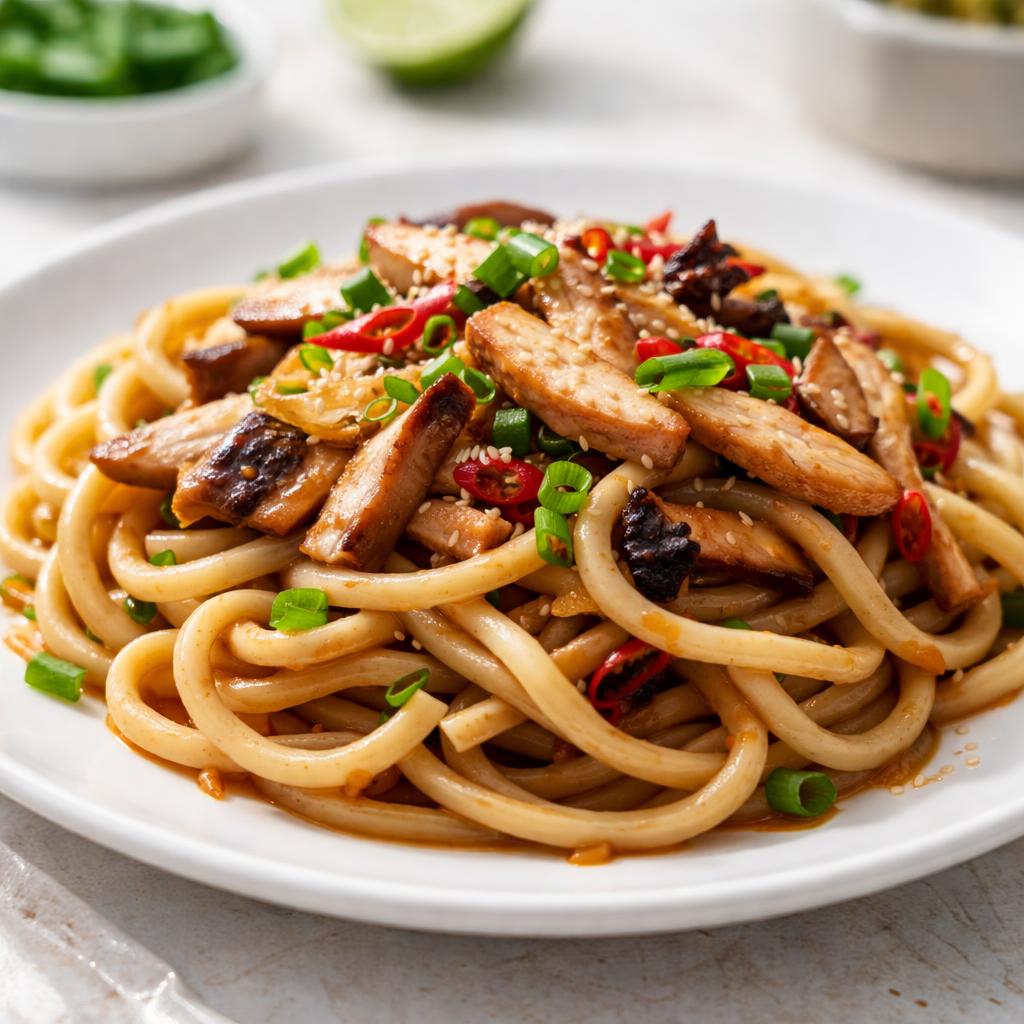
Udon Noodles
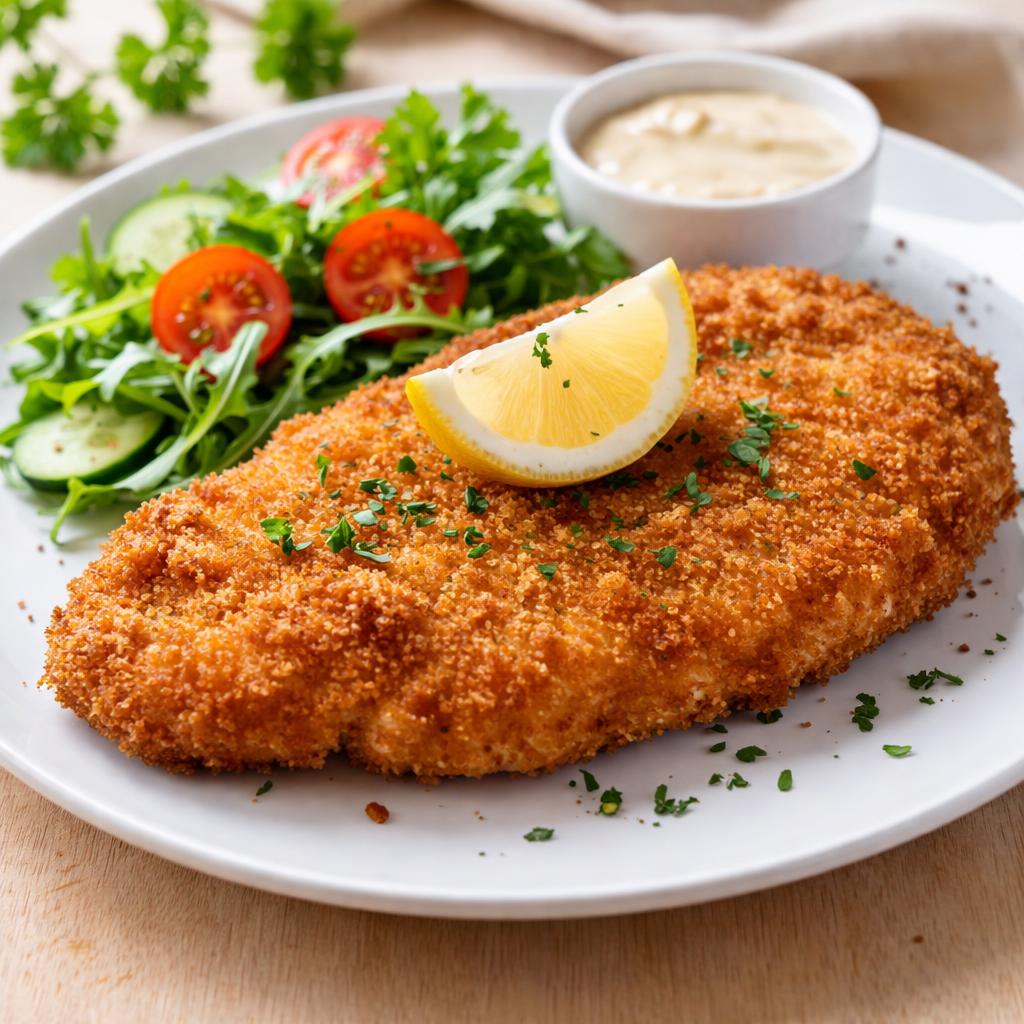
Breaded Cutlet
🎯 Quick Verdict
Breaded cutlet is higher in protein and fat, making it better for muscle recovery and energy-dense diets. Udon noodles are lower in calories and fat but provide more fiber, making them a good choice for lighter meals or digestion-friendly options. Both foods offer different benefits depending on your dietary goals.

Smart Nutrition Tracking with SnapCalorie

📊 Nutritional Comparison
Macronutrients
| Nutrient | Food 1 | Food 2 | Winner |
|---|---|---|---|
| Calories | 210 | 280 | ✓ |
| Protein | 7g | 18g | ✓ |
| Carbs | 40g | 22g | ✓ |
| Fat | 1g | 15g | ✓ |
| Fiber | 3g | 1g | ✓ |
Vitamins & Minerals
| Nutrient | Food 1 | Food 2 | Winner |
|---|---|---|---|
| Vitamin D | 0mcg | 0.5mcg | ✓ |
| Calcium | 40mg | 30mg | ✓ |
| Iron | 2mg | 1.5mg | ✓ |
| Vitamin B6 | 0.1mg | 0.2mg | ✓ |
🏆 Category Winners
Protein
Breaded cutlet provides more than double the protein per serving compared to udon noodles.
Fiber
Udon noodles contain triple the fiber of breaded cutlet per serving.
Calories
Udon noodles are lower in calories, making them suitable for lower-calorie diets.
Vitamins
Breaded cutlet has slightly more variety in vitamin content, providing Vitamin D and B6.
🥗 Diet Compatibility
Keto
Food 1: Not Compatible
Food 2: Not Compatible
Both are high-carb due to flour-based ingredients.
Vegan
Food 1: Compatible
Food 2: Not Compatible
Udon noodles are plant-based, while breaded cutlets often use animal protein.
Gluten Free
Food 1: Not Compatible
Food 2: Not Compatible
Both contain wheat-derived gluten.
Paleo
Food 1: Not Compatible
Food 2: Not Compatible
Neither food aligns with paleo guidelines due to refined grains and breading.
Low-Carb
Food 1: Not Compatible
Food 2: Partially Compatible
Breaded cutlet is lower in carbs than udon noodles but still contains a notable amount.
💪 Health Benefits Comparison
Food 1 Benefits
- Good source of fiber for supporting digestive health
- Lower in calories, suitable for weight management
- Mild flavor, making it versatile in various cuisines
Food 2 Benefits
- High in protein to support muscle repair and maintenance
- Rich in fats, providing sustained energy
- Contains Vitamin D to aid bone health
✅ The Bottom Line
Choose udon noodles for lighter, lower-calorie meals or fiber-rich options that are versatile in vegetable-heavy dishes. Opt for breaded cutlet for high-protein, energy-dense meals, especially post-workout or as part of a hearty main dish.
Choose Food 1 for: Low-calorie meals, digestion-friendly diets, vegetarian dishes
Choose Food 2 for: Muscle recovery, energy-dense diets, main course meals


