Tomato VS Yellow Pepper
A detailed nutritional comparison
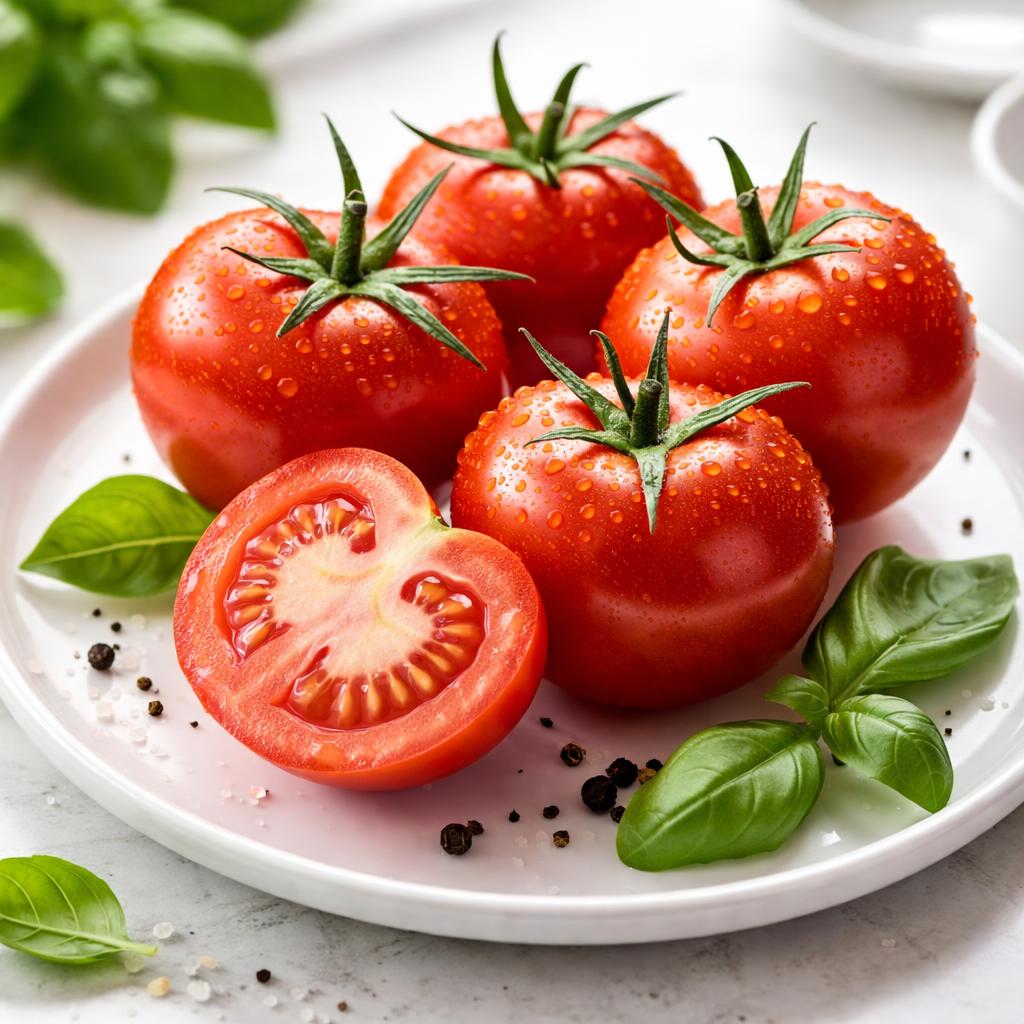
Tomato

Yellow Pepper
🎯 Quick Verdict
Tomatoes and yellow peppers are both nutrient-dense, low-calorie vegetables packed with vitamins and antioxidants. Tomatoes excel in vitamin C and lycopene, promoting heart and skin health, while yellow peppers offer more dietary fiber and vitamin A, aiding digestion and eye health. Both are excellent in salads or as a base for sauces and dips, with specific health benefits depending on your needs.

Smart Nutrition Tracking with SnapCalorie

📊 Nutritional Comparison
Macronutrients
| Nutrient | Food 1 | Food 2 | Winner |
|---|---|---|---|
| Calories | 18 per 100g | 27 per 100g | ✓ |
| Protein | 0.9g per 100g | 1g per 100g | − |
| Carbs | 3.9g per 100g | 6.3g per 100g | ✓ |
| Fat | 0.2g per 100g | 0.3g per 100g | − |
| Fiber | 1.2g per 100g | 2g per 100g | ✓ |
Vitamins & Minerals
| Nutrient | Food 1 | Food 2 | Winner |
|---|---|---|---|
| Vitamin A | 833 IU per 100g | 5050 IU per 100g | ✓ |
| Vitamin C | 13.7mg per 100g | 183.5mg per 100g | ✓ |
| Potassium | 237mg per 100g | 211mg per 100g | ✓ |
| Iron | 0.3mg per 100g | 0.4mg per 100g | ✓ |
🏆 Category Winners
Protein
Both contain nearly equal protein, offering around 1g per 100g.
Fiber
Yellow peppers contain 2g of fiber per 100g, which is 67% higher than tomatoes.
Calories
Tomatoes are lower in calories (18 vs 27 kcal per 100g).
Vitamins
Yellow peppers provide significantly more vitamin C and vitamin A, offering superior nutritional value.
🥗 Diet Compatibility
Keto
Food 1: Compatible
Food 2: Compatible
Both are low-carb and suitable for keto diets, with tomatoes slightly lower in net carbs.
Vegan
Food 1: Compatible
Food 2: Compatible
Both vegetables are plant-based and suitable for vegan diets.
Gluten Free
Food 1: Compatible
Food 2: Compatible
Neither contains gluten, making them safe for gluten-free diets.
Paleo
Food 1: Compatible
Food 2: Compatible
Both are paleo-friendly, unprocessed whole foods.
Low Carb
Food 1: Compatible
Food 2: Compatible
Both are low-carb options, with tomatoes slightly lower in carbs per serving.
💪 Health Benefits Comparison
Food 1 Benefits
- Rich in lycopene for heart health and cancer prevention
- Contains potassium for electrolyte balance
- Supports immune health through moderate vitamin C content
- Low-calorie option for weight management
Food 2 Benefits
- High in vitamin C for immune health and skin repair
- Rich in vitamin A for eye health and skin development
- Contains fiber for improved digestion
- Good source of antioxidants for cell health
✅ The Bottom Line
Both tomatoes and yellow peppers provide excellent nutritional benefits with minimal calories. Opt for tomatoes if you're focused on heart health and reducing calories, while yellow peppers are superior for fiber, vitamin A, and vitamin C. Each can enhance salads, sauces, and healthy snacking options.
Choose Food 1 for: Heart health, low-calorie diets, electrolyte balance
Choose Food 2 for: Immune support, digestive health, eye health


