Tomato VS Scallops
A detailed nutritional comparison
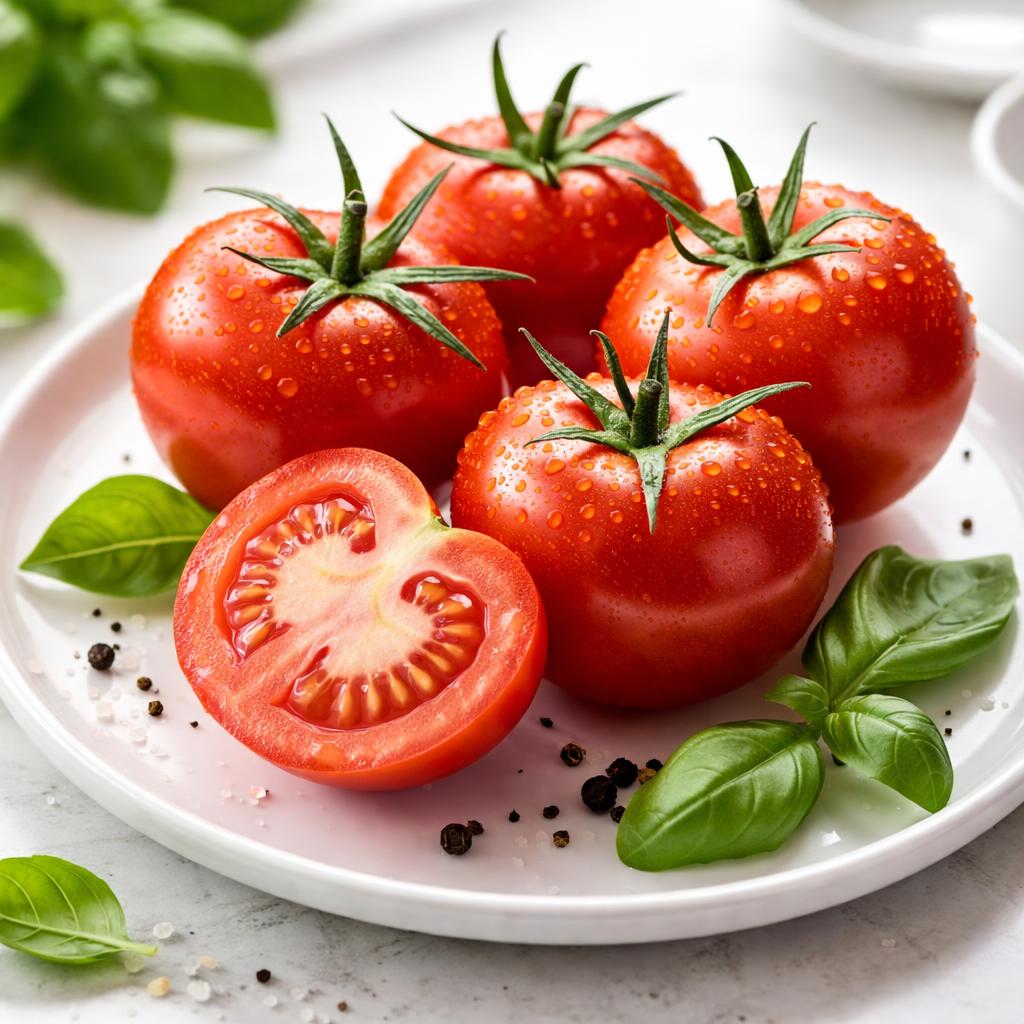
Tomato
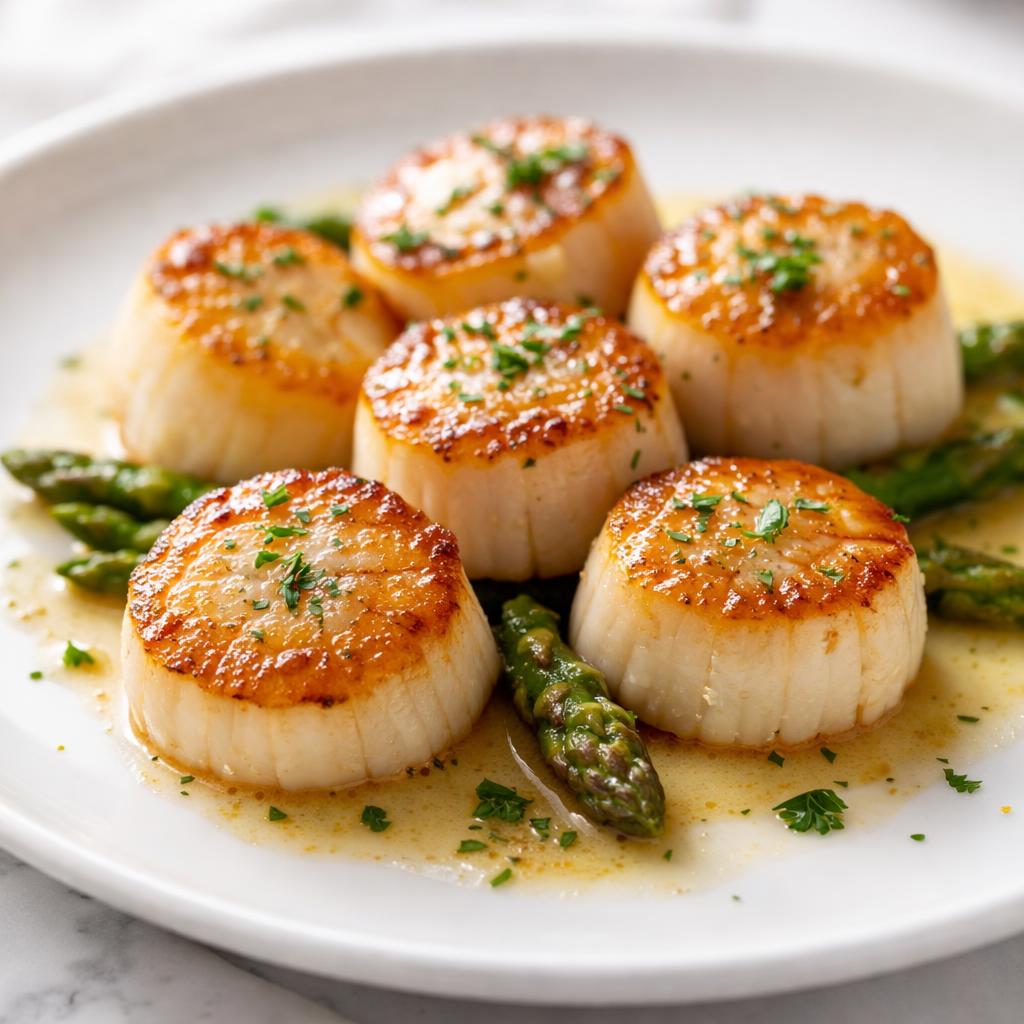
Scallops
🎯 Quick Verdict
Tomatoes and scallops offer distinct nutritional profiles. Tomatoes are low-calorie and high in fiber, making them excellent for weight management and digestion. Scallops are rich in protein and low in fat, ideal for muscle building and a lean diet. Your choice depends on whether you're prioritizing plant-based fiber or high-quality seafood protein.

Smart Nutrition Tracking with SnapCalorie

📊 Nutritional Comparison
Macronutrients
| Nutrient | Food 1 | Food 2 | Winner |
|---|---|---|---|
| Calories | 18 (per 100g) | 137 (per 100g) | ✓ |
| Protein | 0.9g | 24g | ✓ |
| Carbs | 3.9g | 0g | ✓ |
| Fat | 0.2g | 1g | ✓ |
| Fiber | 1.2g | 0g | ✓ |
Vitamins & Minerals
| Nutrient | Food 1 | Food 2 | Winner |
|---|---|---|---|
| Vitamin A | 42mcg | 64mcg | ✓ |
| Vitamin C | 13.7mg | 0mg | ✓ |
| Vitamin B12 | 0mcg | 1.4mcg | ✓ |
🏆 Category Winners
Protein
Scallops provide significantly more protein, with 24g per 100g compared to tomatoes at 0.9g.
Fiber
Tomatoes contain 1.2g of fiber per 100g, while scallops have none.
Calories
Tomatoes are extremely low-calorie at just 18 calories per 100g versus scallops at 137 calories.
Vitamins
Tomatoes offer notable levels of vitamin C (13.7mg per 100g) and vitamin A (42mcg).
🥗 Diet Compatibility
Keto
Food 1: Compatible
Food 2: Compatible
Both foods are low-carb or no-carb, making them keto-friendly.
Vegan
Food 1: Compatible
Food 2: Not Compatible
Tomatoes are plant-based, while scallops are seafood.
Gluten Free
Food 1: Compatible
Food 2: Compatible
Neither tomatoes nor scallops contain gluten.
Paleo
Food 1: Compatible
Food 2: Compatible
Both align with Paleo dietary guidelines.
Low-Carb
Food 1: Compatible
Food 2: Compatible
Scallops have zero carbs, and tomatoes are very low-carb (3.9g per 100g).
💪 Health Benefits Comparison
Food 1 Benefits
- Low-calorie, ideal for weight management
- Good source of fiber for gut health
- Rich in vitamin C for immune support
Food 2 Benefits
- High-protein content supports muscle repair and maintenance
- Low fat, heart-healthy seafood option
- Excellent source of vitamin B12, essential for energy production
✅ The Bottom Line
Choose tomatoes for a low-calorie, plant-based boost of fiber and vitamin C, perfect for digestion and weight management. Opt for scallops if you're looking for high-protein, low-fat seafood to support muscle building or a lean diet.
Choose Food 1 for: Weight management, digestion, plant-based diets
Choose Food 2 for: High-protein diets, muscle building, low-fat seafood options


