Tomato VS Sauerkraut
A detailed nutritional comparison
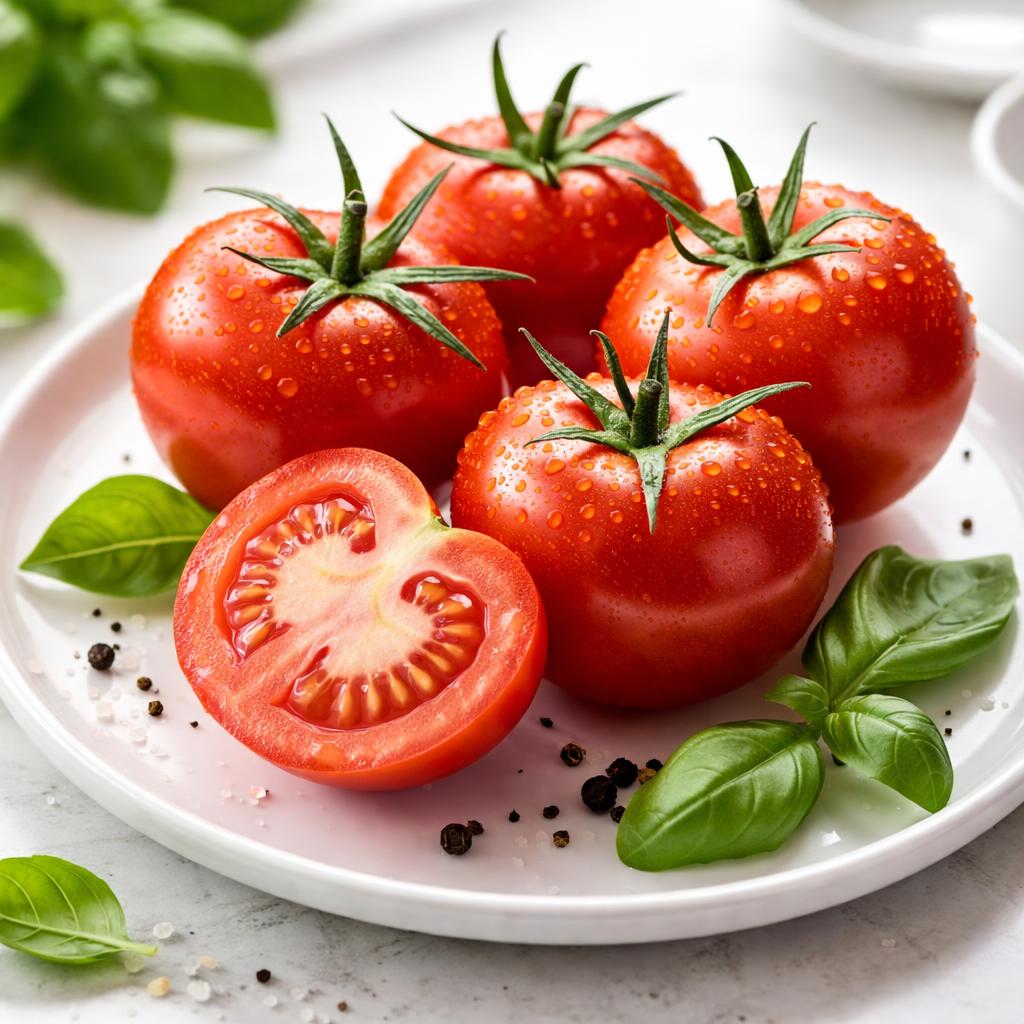
Tomato
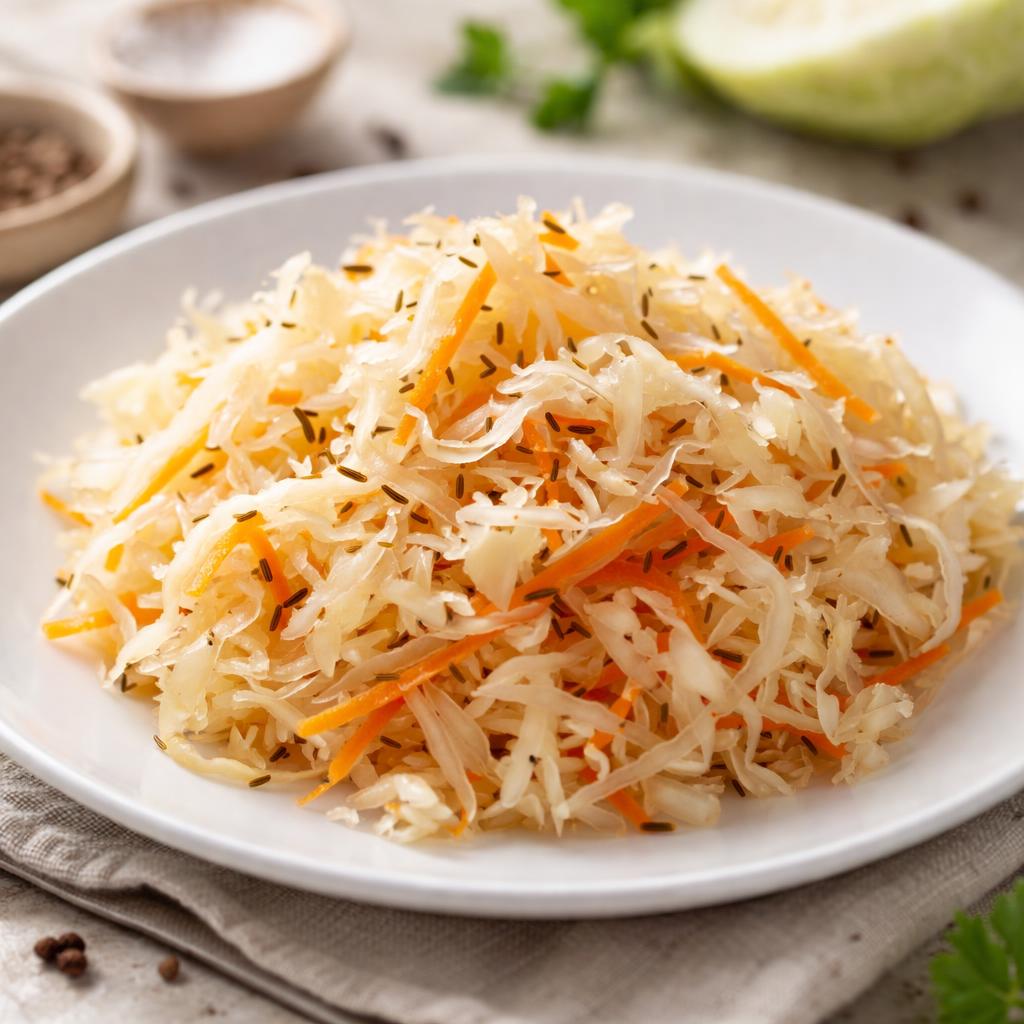
Sauerkraut
🎯 Quick Verdict
Tomatoes and sauerkraut offer distinct nutritional advantages. Tomatoes are rich in vitamins A, C, and potassium, whereas sauerkraut stands out with higher fiber and probiotics due to fermentation. Both are low-calorie options, making them excellent for weight management and diverse dietary preferences.

Smart Nutrition Tracking with SnapCalorie

📊 Nutritional Comparison
Macronutrients
| Nutrient | Food 1 | Food 2 | Winner |
|---|---|---|---|
| Calories | 18 | 19 | − |
| Protein | 0.9g | 1g | − |
| Carbs | 3.9g | 4.3g | − |
| Fat | 0.2g | 0.1g | ✓ |
| Fiber | 1.2g | 2.9g | ✓ |
Vitamins & Minerals
| Nutrient | Food 1 | Food 2 | Winner |
|---|---|---|---|
| Vitamin C | 23mg | 13mg | ✓ |
| Vitamin K | 7.9mcg | 13mcg | ✓ |
| Vitamin A | 833 IU | 2 IU | ✓ |
| Potassium | 237mg | 170mg | ✓ |
🏆 Category Winners
Protein
Both foods have similar protein content (less than 1g per serving).
Fiber
Sauerkraut contains more than twice the fiber (2.9g vs 1.2g per serving).
Calories
Both foods are low-calorie, with slight differences (18-19 kcal per 100g).
Vitamins
Tomatoes excel in vitamin C, A, and potassium for overall nutrient density.
🥗 Diet Compatibility
Keto
Food 1: Compatible
Food 2: Compatible
Both foods are low-carb and keto-friendly.
Vegan
Food 1: Compatible
Food 2: Compatible
Both are plant-based options suitable for vegans.
Gluten Free
Food 1: Compatible
Food 2: Compatible
Neither contains gluten.
Paleo
Food 1: Compatible
Food 2: Compatible
Both are naturally paleo-friendly foods.
Low Carb
Food 1: Compatible
Food 2: Compatible
Both are under 5g of carbs per serving, making them low-carb options.
💪 Health Benefits Comparison
Food 1 Benefits
- Rich in vitamin C to boost immunity and skin health
- Provides significant amounts of potassium for heart health
- Contains antioxidants like lycopene for reducing inflammation
Food 2 Benefits
- High in fiber for supporting digestive health
- Contains probiotics to aid gut microbiome and digestion
- Good source of vitamin K for bone strength and blood clotting
✅ The Bottom Line
Both tomatoes and sauerkraut are excellent low-calorie, nutrient-dense options that cater to a variety of diets. Tomatoes shine with superior vitamin and potassium levels, while sauerkraut offers probiotics and higher fiber content due to fermentation.
Choose Food 1 for: Hydration, vitamin C boost, antioxidant-rich dishes
Choose Food 2 for: Gut health, digestion, fermented flavor profile in meals


