Tomato VS Pineapple
A detailed nutritional comparison
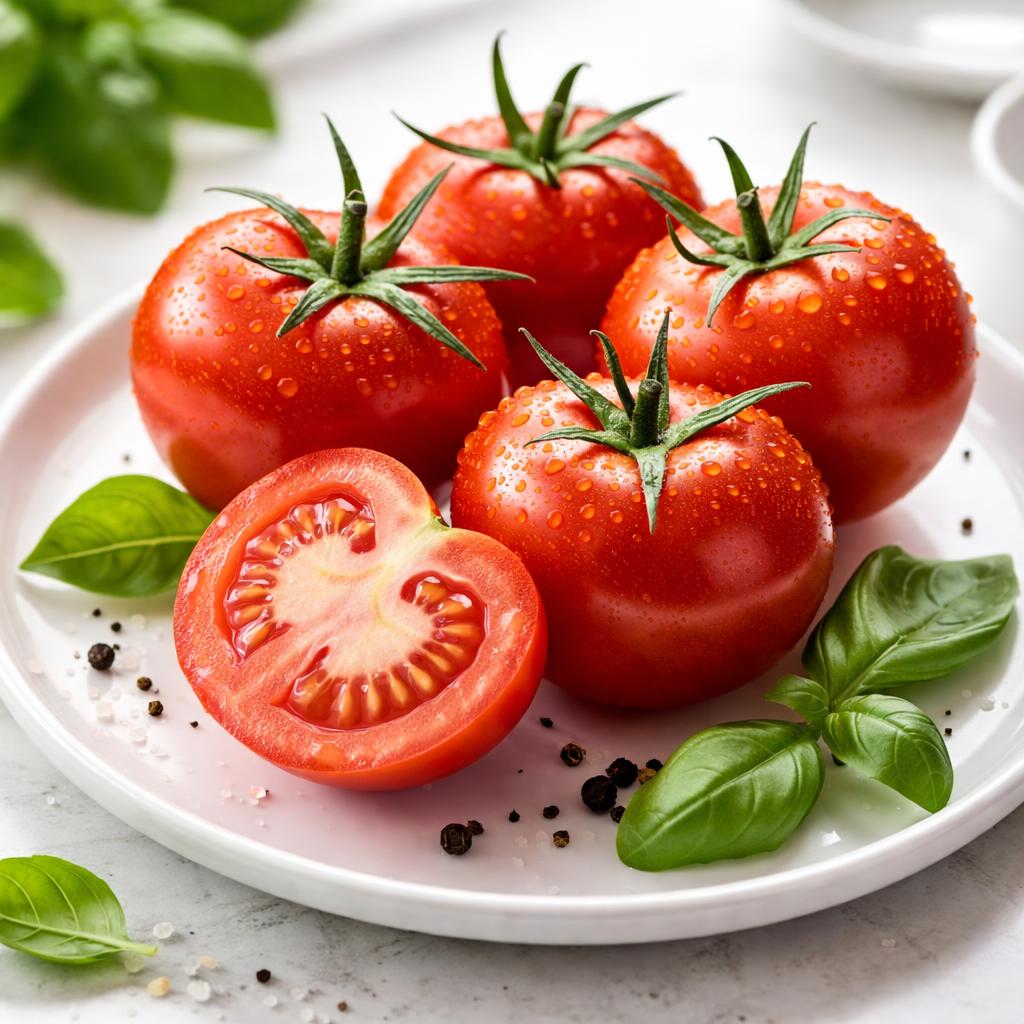
Tomato

Pineapple
🎯 Quick Verdict
Tomatoes are lower in calories and carbohydrates, making them a versatile option for low-calorie diets. On the other hand, pineapples provide more natural sugars and vitamin C, which are beneficial for an energy boost and immune support. Both are excellent choices but serve different purposes in a balanced diet.

Smart Nutrition Tracking with SnapCalorie

📊 Nutritional Comparison
Macronutrients
| Nutrient | Food 1 | Food 2 | Winner |
|---|---|---|---|
| Calories | 18 calories (100g) | 50 calories (100g) | ✓ |
| Protein | 0.9g | 0.5g | ✓ |
| Carbs | 3.9g | 13g | ✓ |
| Fat | 0.2g | 0.1g | ✓ |
| Fiber | 1.2g | 1g | ✓ |
Vitamins & Minerals
| Nutrient | Food 1 | Food 2 | Winner |
|---|---|---|---|
| Vitamin C | 23mg | 48mg | ✓ |
| Vitamin A | 833 IU | 58 IU | ✓ |
| Calcium | 10mg | 13mg | ✓ |
| Iron | 0.3mg | 0.3mg | − |
🏆 Category Winners
Protein
Tomatoes contain nearly double the amount of protein compared to pineapple per 100g.
Fiber
Tomatoes provide slightly more fiber for supporting digestion.
Calories
Tomatoes have 64% fewer calories than pineapple per 100g.
🥗 Diet Compatibility
Keto
Food 1: Compatible
Food 2: Not Compatible
Tomatoes are low in carbs, while pineapple is higher in natural sugars.
Vegan
Food 1: Compatible
Food 2: Compatible
Both foods are plant-based and vegan-friendly.
Gluten Free
Food 1: Compatible
Food 2: Compatible
Neither food contains gluten.
Paleo
Food 1: Compatible
Food 2: Compatible
Both foods fit into a paleo diet due to their whole-food nature.
Low Carb
Food 1: Compatible
Food 2: Not Compatible
Tomatoes are low-carb, ideal for ketogenic or low-carb diets, while pineapple is carb-heavy.
💪 Health Benefits Comparison
Food 1 Benefits
- Low-calorie and nutrient-dense, suitable for weight management
- Rich in antioxidants like lycopene for heart health
- High in fiber for digestion support
- Contains vitamin A for eye health
Food 2 Benefits
- Rich in immune-boosting vitamin C
- Contains bromelain, which is beneficial for reducing inflammation
- Provides natural sugars for an energy boost
- Supports bone health with calcium and manganese
✅ The Bottom Line
Tomatoes are ideal for those seeking a low-calorie, nutrient-dense food that fits into keto and low-carb diets, while pineapple is better suited for those looking to increase energy, support their immune system, and enjoy a naturally sweeter option. Choosing between the two depends on your dietary goals and taste preferences.
Choose Food 1 for: Weight loss, low-carb diets, antioxidant intake
Choose Food 2 for: Immune support, sustained energy, post-workout recovery


