Tomato VS Pickles
A detailed nutritional comparison
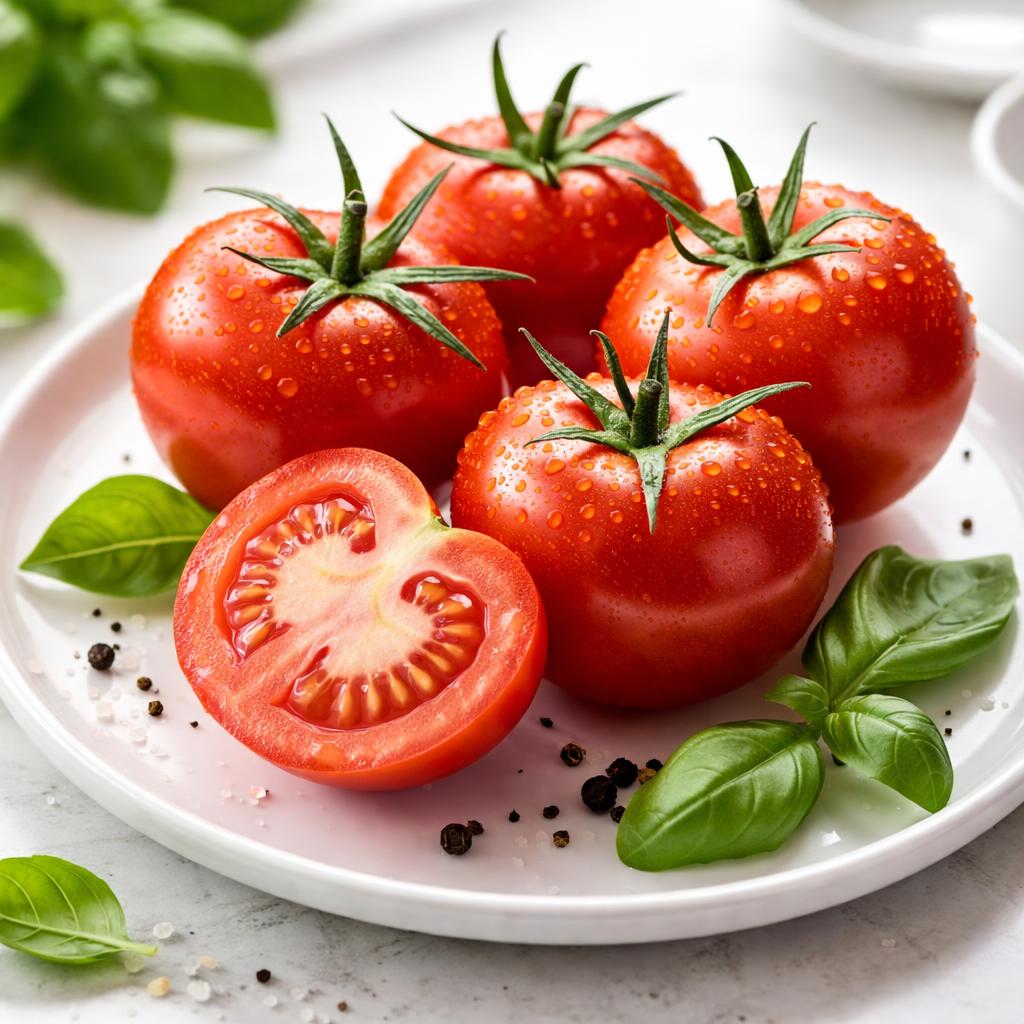
Tomato
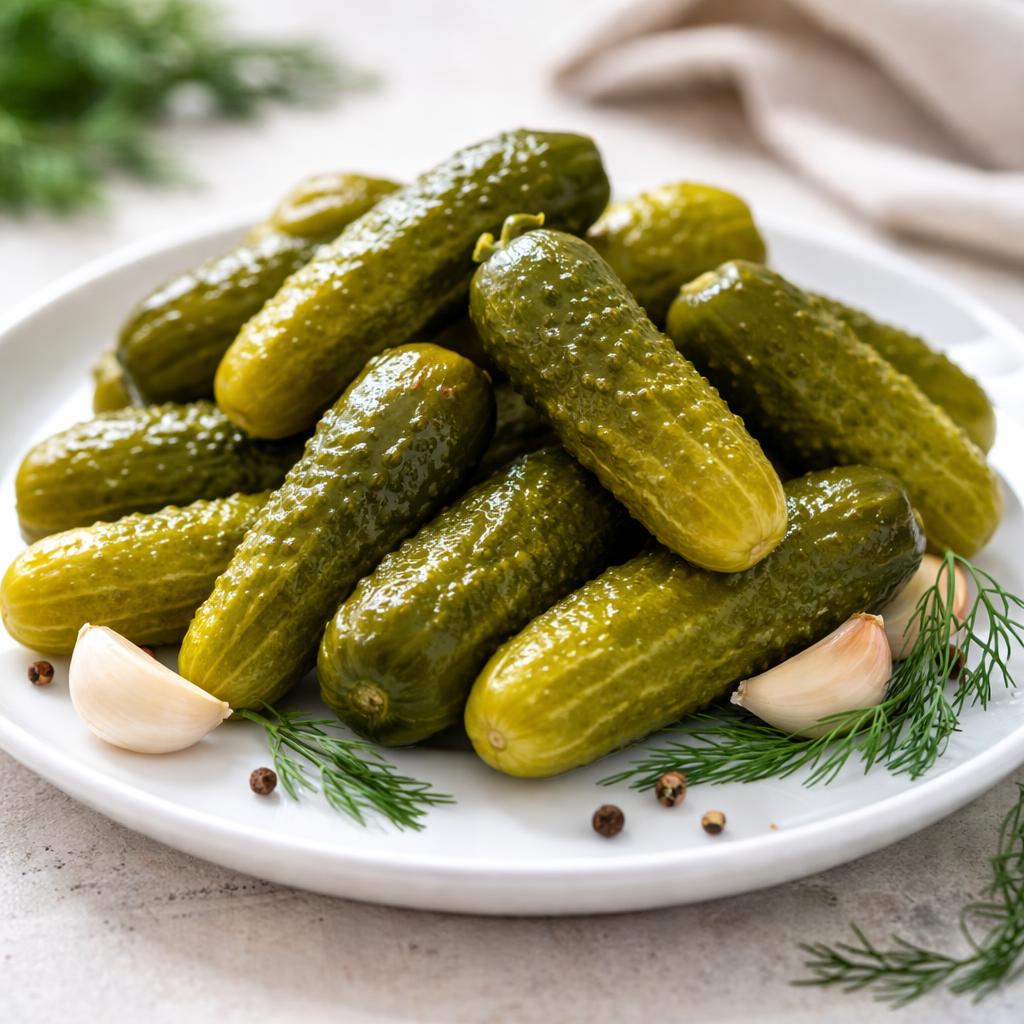
Pickles
🎯 Quick Verdict
Tomatoes and pickles both offer distinct nutritional advantages. Tomatoes are lower in calories, higher in protein, and rich in vitamins like Vitamin C and A, making them a great choice for general health and weight loss. Pickles are higher in fiber and sodium and provide probiotics, supporting gut health and digestion. Choose based on your dietary needs and preferences.

Smart Nutrition Tracking with SnapCalorie

📊 Nutritional Comparison
Macronutrients
| Nutrient | Food 1 | Food 2 | Winner |
|---|---|---|---|
| Calories | 18 | 12 | ✓ |
| Protein | 0.9g | 0.3g | ✓ |
| Carbs | 3.9g | 2.3g | ✓ |
| Fat | 0.2g | 0.6g | ✓ |
| Fiber | 1.2g | 1.6g | ✓ |
Vitamins & Minerals
| Nutrient | Food 1 | Food 2 | Winner |
|---|---|---|---|
| Vitamin C | 13.7mg | 2mg | ✓ |
| Vitamin A | 833 IU | 70 IU | ✓ |
| Vitamin K | 9.7mcg | 17mcg | ✓ |
🏆 Category Winners
Protein
Tomatoes have three times more protein than pickles per serving.
Fiber
Pickles contain slightly more fiber, beneficial for digestion.
Calories
Pickles have fewer calories per serving, but the difference is marginal.
Vitamins
Tomatoes offer significantly more Vitamin C and A, supporting immunity and vision.
🥗 Diet Compatibility
Keto
Food 1: Not Compatible
Food 2: Compatible
Pickles are low in carbs and fit well into the keto diet.
Vegan
Food 1: Compatible
Food 2: Compatible
Both are completely plant-based.
Gluten Free
Food 1: Compatible
Food 2: Compatible
Neither contains gluten.
Paleo
Food 1: Compatible
Food 2: Conditionally Compatible
Pickles may not always be paleo-friendly, depending on added ingredients like vinegar.
Low Carb
Food 1: Not Compatible
Food 2: Compatible
Pickles align better due to their very low carb content.
💪 Health Benefits Comparison
Food 1 Benefits
- High in Vitamin C for immunity support
- Rich in Vitamin A for good vision and skin health
- Contains antioxidants that help reduce inflammation
Food 2 Benefits
- Provides probiotics for gut health
- Higher fiber content aids digestion
- Contains Vitamin K for blood clotting and bone health
✅ The Bottom Line
Choose tomatoes for their vitamin richness and versatility in salads and pasta sauces. Opt for pickles as a low-calorie, probiotic-rich option for snacking or enhancing the flavor of meals. Tomatoes are better for overall health, while pickles are ideal for gut health and low-carb diets.
Choose Food 1 for: Boosting overall nutrition, adding to salads, immunity and skin health
Choose Food 2 for: Snack for gut health, low-carb diets, tangy flavor depth


