Tomato VS Mayonnaise
A detailed nutritional comparison
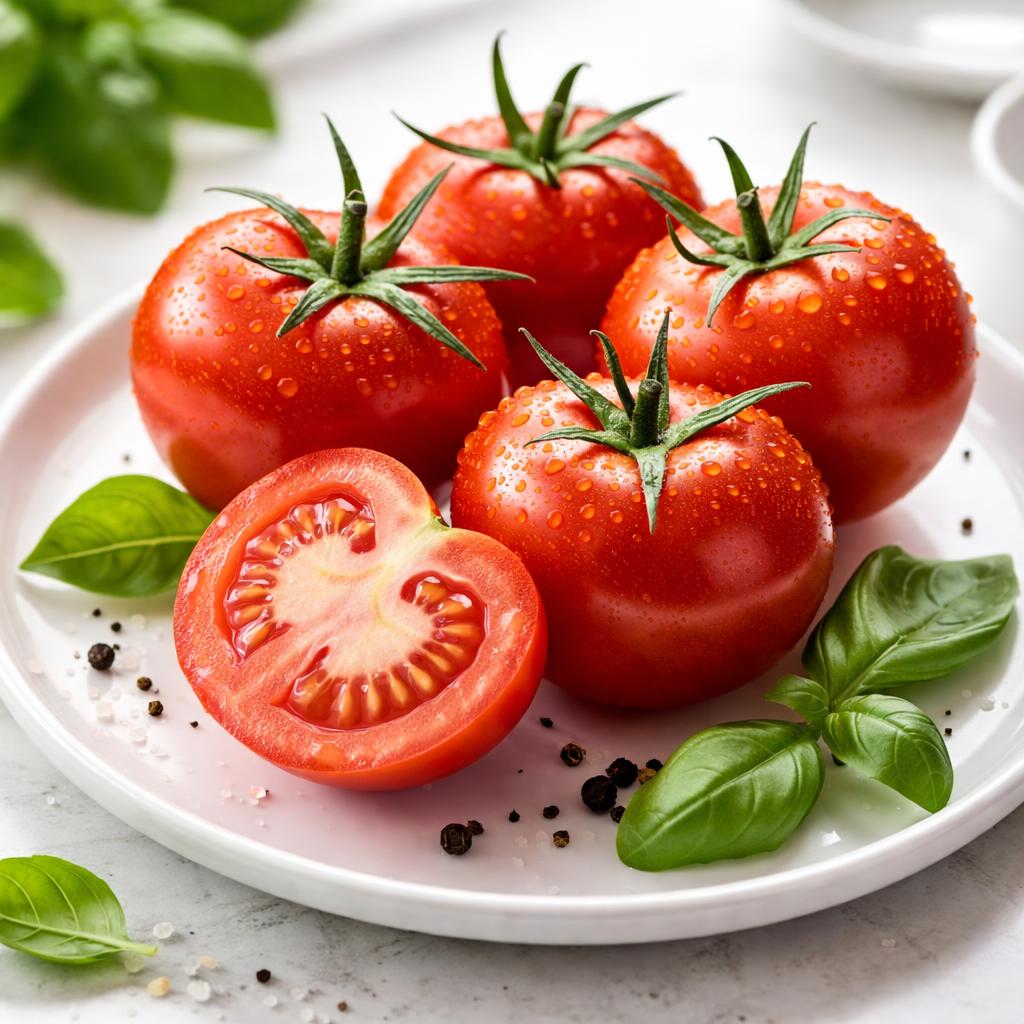
Tomato

Mayonnaise
🎯 Quick Verdict
Tomatoes are nutrient-dense, low-calorie, and rich in vitamins and fiber, making them ideal for general health and weight management. Mayonnaise, though calorie-dense, provides healthy fats and is best used as a condiment in moderation. Tomatoes are better nutritionally overall, but mayonnaise fits into high-fat diets like keto when used carefully.

Smart Nutrition Tracking with SnapCalorie

📊 Nutritional Comparison
Macronutrients
| Nutrient | Food 1 | Food 2 | Winner |
|---|---|---|---|
| Calories | 18 per 100g | 680 per 100g | ✓ |
| Protein | 0.9g | 1g | ✓ |
| Carbs | 3.9g | 0.1g | ✓ |
| Fat | 0.2g | 75g | ✓ |
| Fiber | 1.2g | 0g | ✓ |
Vitamins & Minerals
| Nutrient | Food 1 | Food 2 | Winner |
|---|---|---|---|
| Vitamin A | 833 IU | 0 IU | ✓ |
| Vitamin C | 13.7mg | 0mg | ✓ |
| Vitamin D | 0 IU | 20 IU | ✓ |
| Calcium | 10mg | 8mg | ✓ |
| Iron | 0.3mg | 0.2mg | ✓ |
🏆 Category Winners
Protein
Mayonnaise has slightly more protein, though negligible.
Fiber
Tomatoes contain fiber, while mayonnaise does not.
Calories
Tomatoes are extremely low-calorie compared to mayonnaise.
🥗 Diet Compatibility
Keto
Food 1: Compatible
Food 2: Compatible
Tomatoes are low in carbs and mayonnaise is high in fat, fitting a keto diet.
Vegan
Food 1: Compatible
Food 2: Not Compatible
Mayonnaise traditionally contains eggs, making it unsuitable for a vegan diet.
Gluten Free
Food 1: Compatible
Food 2: Compatible
Both foods are naturally gluten-free.
Paleo
Food 1: Compatible
Food 2: Not Compatible
Mayonnaise is processed and not typically considered paleo-friendly.
Low Carb
Food 1: Compatible
Food 2: Compatible
Tomatoes are low in carbs, and mayonnaise has extremely minimal carbs.
💪 Health Benefits Comparison
Food 1 Benefits
- Low-calorie and nutrient-dense for weight management
- High in vitamin C for immune support
- Contains antioxidants like lycopene for heart and skin health
Food 2 Benefits
- Provides healthy fats for energy and hormone regulation
- May support high-fat diets like keto
- Enhances flavor of dishes in small amounts
✅ The Bottom Line
For overall nutrition and health, tomatoes are the better choice due to their low-calorie, high-fiber, and vitamin content. Mayonnaise is calorie-dense but works well in small quantities for flavor and providing fats in high-fat diets. Choose tomatoes for consistent health benefits and mayonnaise for occasional flavor boosts or keto diets.
Choose Food 1 for: Weight management, general health, vitamin intake
Choose Food 2 for: High-fat diets, flavor enhancement, occasional use


