Tomato VS Lime
A detailed nutritional comparison
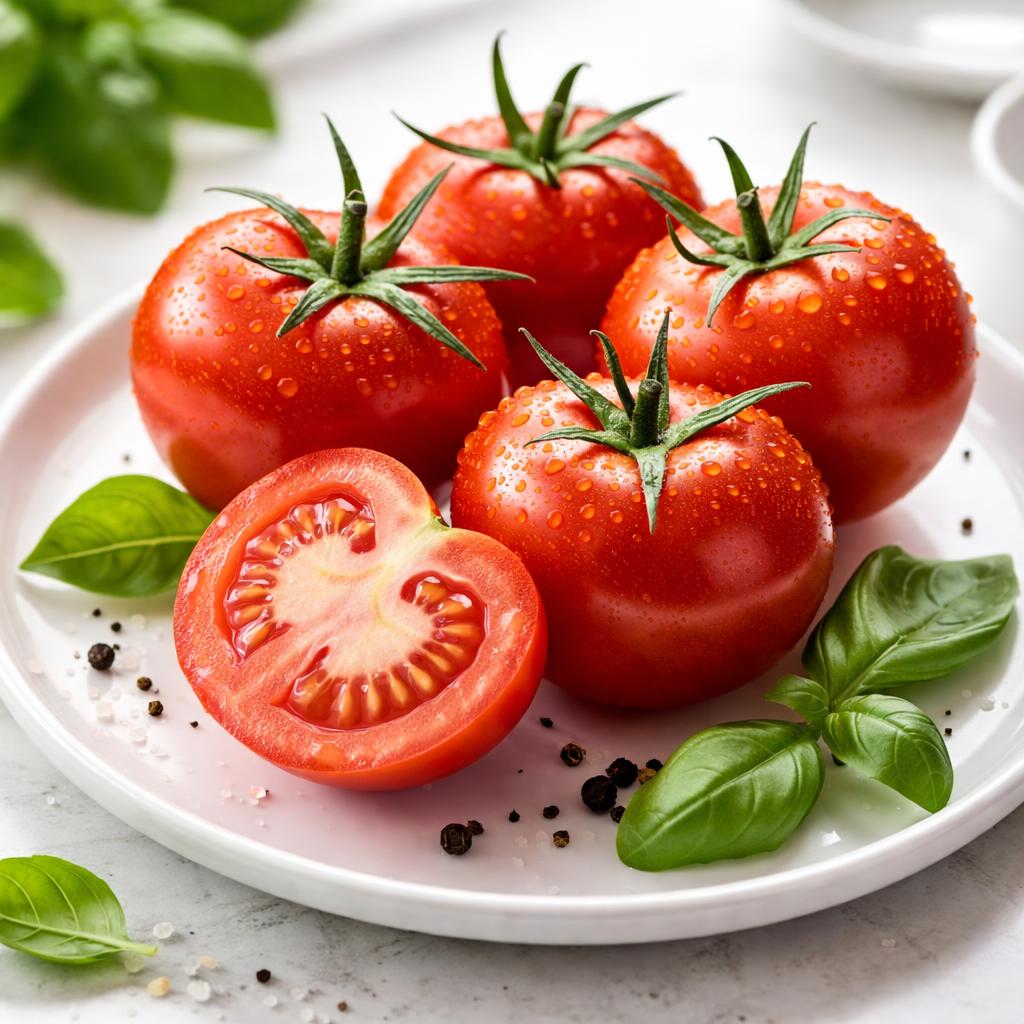
Tomato
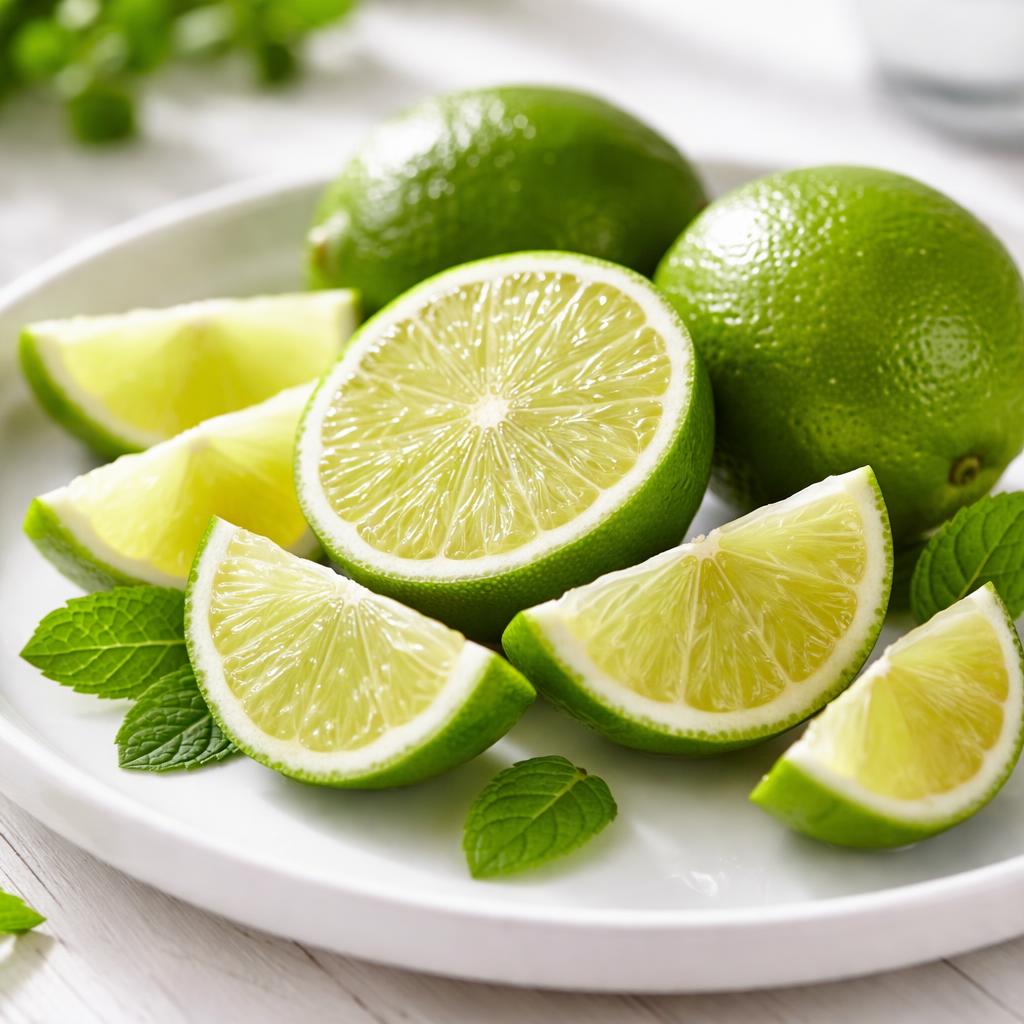
Lime
🎯 Quick Verdict
Tomatoes and limes are low-calorie, nutrient-dense foods offering different benefits. Tomatoes have slightly more protein and a broader range of vitamins including vitamin C, while limes are richer in fiber and provide more concentrated antioxidants. Each food excels in different areas based on dietary goals and culinary uses.

Smart Nutrition Tracking with SnapCalorie

📊 Nutritional Comparison
Macronutrients
| Nutrient | Food 1 | Food 2 | Winner |
|---|---|---|---|
| Calories | 18 (per 100g) | 20 (per 100g) | − |
| Protein | 0.9g (per 100g) | 0.7g (per 100g) | − |
| Carbs | 3.9g (per 100g) | 7.1g (per 100g) | − |
| Fat | 0.2g (per 100g) | 0.1g (per 100g) | − |
| Fiber | 1.2g (per 100g) | 2.8g (per 100g) | − |
Vitamins & Minerals
| Nutrient | Food 1 | Food 2 | Winner |
|---|---|---|---|
| Vitamin C | 23mg (per 100g) | 29mg (per 100g) | − |
| Vitamin A | 833 IU (per 100g) | 50 IU (per 100g) | − |
| Potassium | 237mg (per 100g) | 102mg (per 100g) | − |
🏆 Category Winners
Protein
Tomatoes contain 22% more protein compared to limes.
Fiber
Limes offer more than double the amount of fiber per 100g.
Calories
Both foods are equally low in calories, making them great for weight management.
🥗 Diet Compatibility
Keto
Food 1: Not Compatible
Food 2: Not Compatible
Both are moderately high in carbs compared to strict keto thresholds.
Vegan
Food 1: Compatible
Food 2: Compatible
Both foods are plant-based and suitable for vegans.
Gluten Free
Food 1: Compatible
Food 2: Compatible
Both are naturally gluten-free options.
Paleo
Food 1: Compatible
Food 2: Compatible
Both align with paleo dietary principles.
Low Carb
Food 1: Compatible
Food 2: Compatible
Both are relatively low in carbohydrates, suitable for general low-carb diets.
💪 Health Benefits Comparison
Food 1 Benefits
- Rich in lycopene, an antioxidant for heart and skin health
- Excellent source of vitamin A for eye health
- Contains potassium to support healthy muscle and nerve function
- Low in calories and hydrating, suitable for weight management
Food 2 Benefits
- High fiber content supports digestion
- Rich in vitamin C for immune system enhancement
- Provides antioxidants to combat inflammation and free radicals
- Aids in hydration and detoxification when added to water
✅ The Bottom Line
Tomatoes and limes are both excellent low-calorie options with unique health advantages. Choose tomatoes for a broader spectrum of nutrients and daily cooking, while limes serve best for added flavor and digestion support. Diet goals and culinary needs will determine the better option.
Choose Food 1 for: Everyday cooking, salads, weight management, antioxidant intake
Choose Food 2 for: Refreshing beverages, supporting digestion, immune boosting


