Tomato VS Lettuce
A detailed nutritional comparison
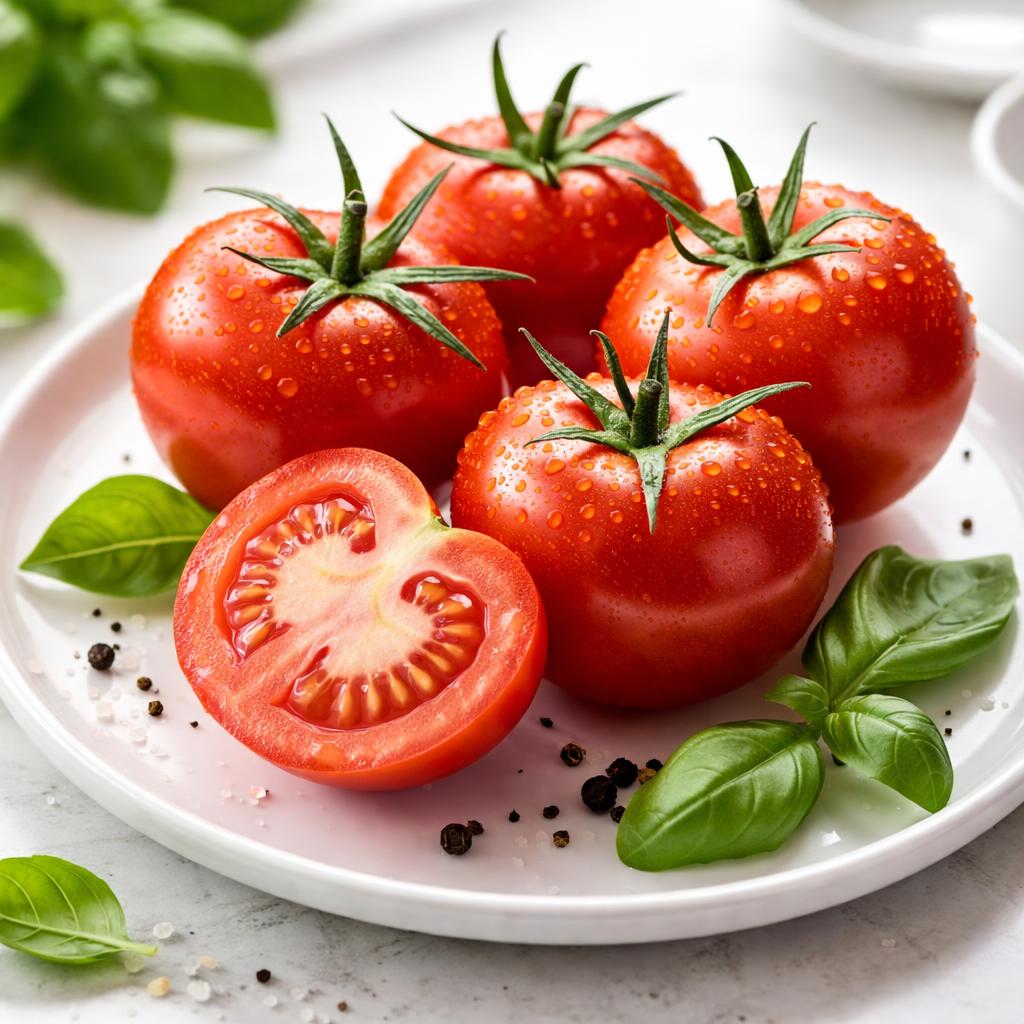
Tomato
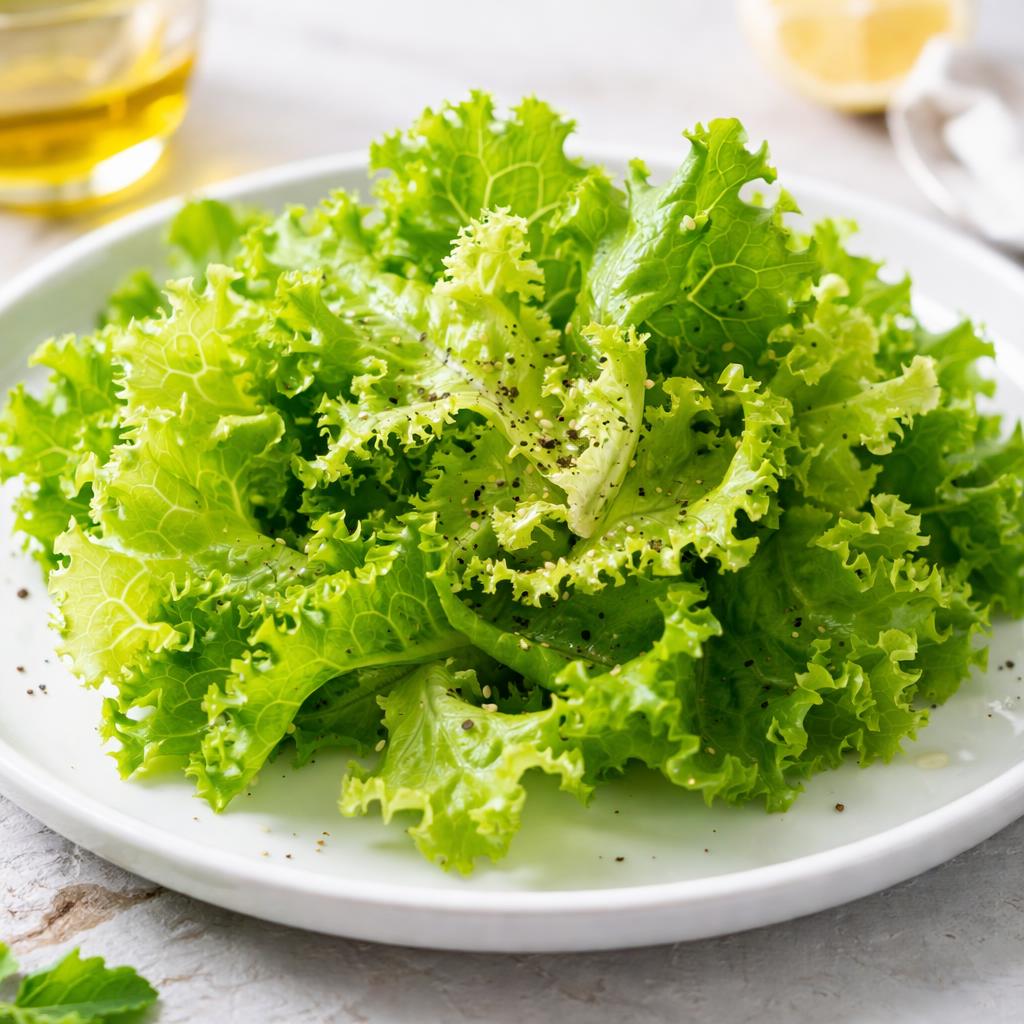
Lettuce
🎯 Quick Verdict
Tomatoes and lettuce differ significantly in their nutritional profiles. Tomatoes provide more fiber, vitamins, and antioxidants, making them nutrient-dense. Lettuce, on the other hand, is extremely low in calories, making it ideal for weight management and bulk in meals. Both are highly compatible with plant-based diets and complement each other well in dishes like salads and wraps.

Smart Nutrition Tracking with SnapCalorie

📊 Nutritional Comparison
Macronutrients
| Nutrient | Food 1 | Food 2 | Winner |
|---|---|---|---|
| Calories | 18 (per 100g) | 15 (per 100g) | ✓ |
| Protein | 0.9g | 0.9g | − |
| Carbs | 3.9g | 2.9g | ✓ |
| Fat | 0.2g | 0.1g | ✓ |
| Fiber | 1.2g | 0.5g | ✓ |
Vitamins & Minerals
| Nutrient | Food 1 | Food 2 | Winner |
|---|---|---|---|
| Vitamin C | 13.7mg | 3.7mg | ✓ |
| Vitamin A (RAE) | 42mcg | 52mcg | ✓ |
| Vitamin K | 7.9mcg | 24mcg | ✓ |
| Potassium | 237mg | 194mg | ✓ |
🏆 Category Winners
Protein
Both foods contain the same small amount of protein per 100g serving.
Fiber
Tomatoes provide more than double the fiber content of lettuce.
Calories
Lettuce has slightly fewer calories than tomatoes, making it ideal for calorie-restricted diets.
Vitamins
Tomatoes are richer in Vitamin C and potassium, essential for immunity and heart health, while lettuce is higher in Vitamin A and Vitamin K for eye health and blood clotting.
🥗 Diet Compatibility
Keto
Food 1: Compatible
Food 2: Compatible
Both are low-carb and suitable for ketogenic diets.
Vegan
Food 1: Compatible
Food 2: Compatible
Both are plant-based and vegan-friendly.
Gluten Free
Food 1: Compatible
Food 2: Compatible
Neither contains gluten, making both foods suitable for gluten-free diets.
Paleo
Food 1: Compatible
Food 2: Compatible
Both are minimally processed and adhere to paleo guidelines.
Low-Carb
Food 1: Compatible
Food 2: Compatible
Both have a low carbohydrate count, suitable for low-carb diets.
💪 Health Benefits Comparison
Food 1 Benefits
- Rich in Vitamin C, supporting immune system and collagen production.
- Good source of potassium, aiding in heart health and muscle function.
- Contains lycopene, an antioxidant linked to lower cancer risk.
- Supports digestion with moderate fiber content.
Food 2 Benefits
- Extremely low in calories, helping with weight management.
- High in Vitamin K, promoting blood clotting and bone health.
- Good source of Vitamin A for improved vision and immunity.
- Provides hydration due to its high water content.
✅ The Bottom Line
Tomatoes are ideal for those seeking nutrient-dense options with more fiber, antioxidants, and vitamins like Vitamin C and potassium. Lettuce works well for calorie-restricted diets or as a bulk ingredient, thanks to its low calorie count and hydration properties. They complement each other perfectly in salads or as toppings for sandwiches and wraps.
Choose Food 1 for: Nutrient density, immunity boosting, antioxidant support
Choose Food 2 for: Weight loss, low-calorie diets, hydration


