Tomato VS Lamb
A detailed nutritional comparison
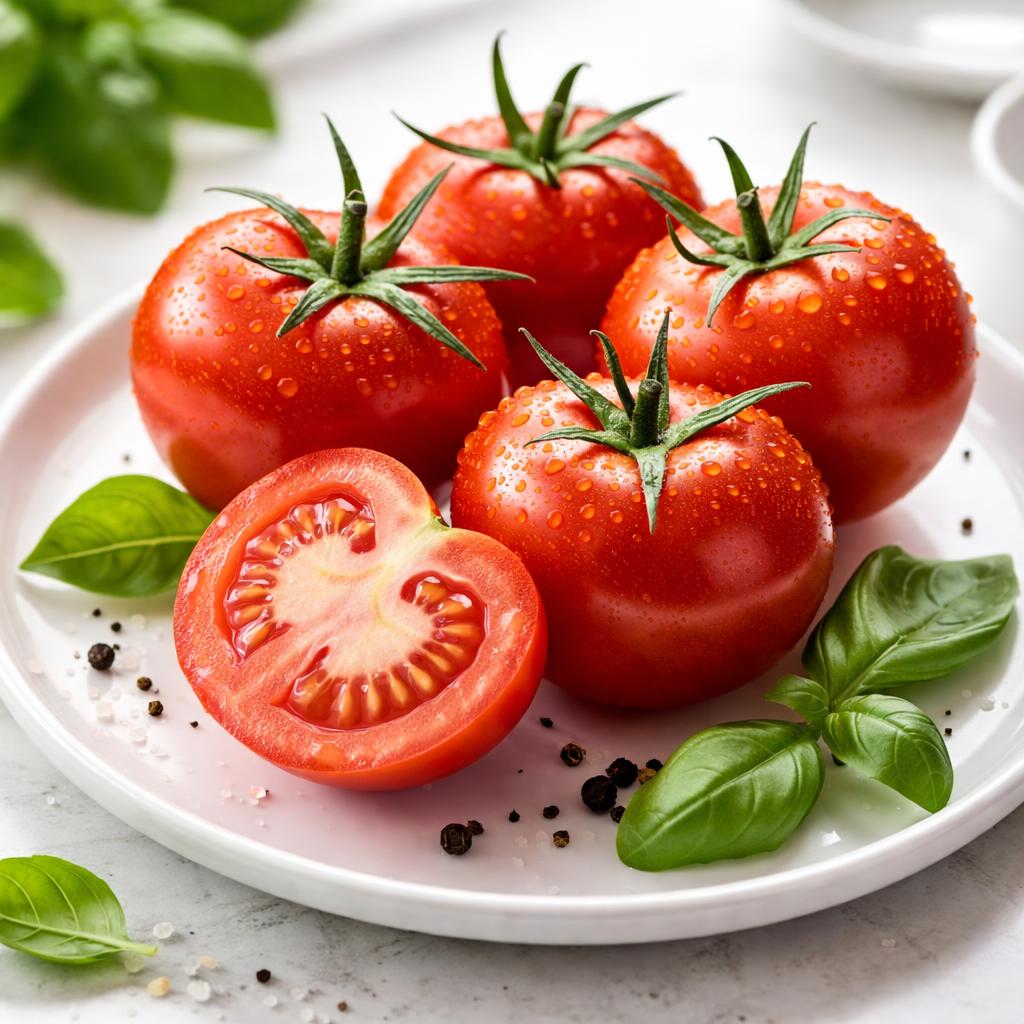
Tomato
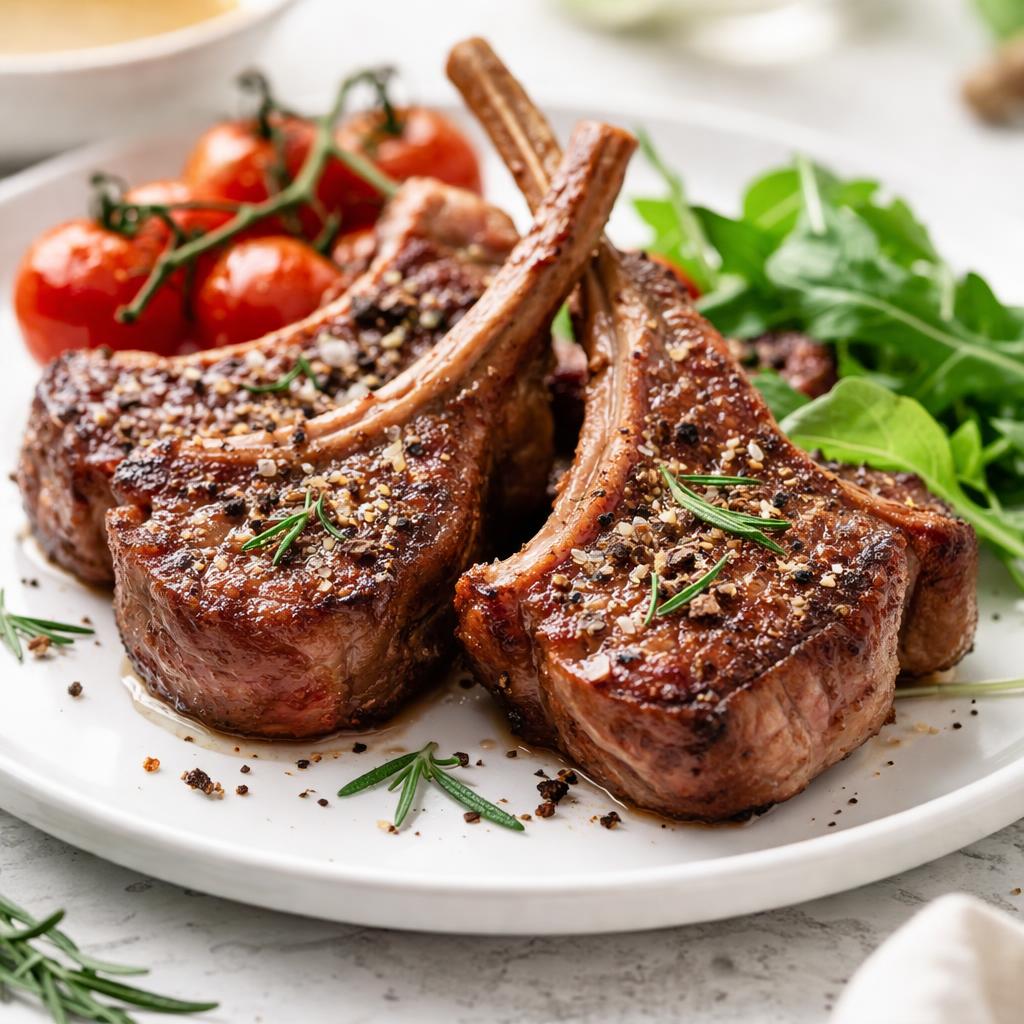
Lamb
🎯 Quick Verdict
Tomato and lamb offer distinct nutritional profiles. Tomatoes are lower in calories, rich in fiber, and packed with vitamins like vitamin C and potassium, making them ideal for weight management and heart health. Lamb is high in protein and provides more iron and healthy fats, making it suitable for muscle maintenance and energy needs. Both foods have unique strengths depending on dietary goals.

Smart Nutrition Tracking with SnapCalorie

📊 Nutritional Comparison
Macronutrients
| Nutrient | Food 1 | Food 2 | Winner |
|---|---|---|---|
| Calories | 18 | 294 | ✓ |
| Protein | 0.9g | 25g | ✓ |
| Carbs | 3.9g | 0g | ✓ |
| Fat | 0.2g | 21.6g | ✓ |
| Fiber | 1.2g | 0g | ✓ |
Vitamins & Minerals
| Nutrient | Food 1 | Food 2 | Winner |
|---|---|---|---|
| Vitamin C | 19mg (21% DV) | 0mg | ✓ |
| Vitamin D | 0mcg | 0.2mcg (1% DV) | ✓ |
| Iron | 0.3mg (2% DV) | 1.9mg (24% DV) | ✓ |
| Potassium | 237mg (5% DV) | 212mg (4% DV) | ✓ |
🏆 Category Winners
Protein
Lamb contains significantly more protein, ideal for muscle growth and maintenance.
Fiber
Tomatoes are naturally high in fiber, benefiting digestion.
Calories
Tomatoes are much lower in calories, suitable for weight management.
Vitamins
Tomatoes are rich in vitamin C and potassium, which lamb lacks.
🥗 Diet Compatibility
Keto
Food 1: Not Compatible
Food 2: Compatible
Lamb is low-carb, while tomatoes contain moderate amounts of carbs.
Vegan
Food 1: Compatible
Food 2: Not Compatible
Tomato is plant-based, lamb is derived from animals.
Gluten Free
Food 1: Compatible
Food 2: Compatible
Both foods are naturally gluten-free.
Paleo
Food 1: Compatible
Food 2: Compatible
Both foods align with paleo principles as whole, minimally processed foods.
Low-Carb
Food 1: Not Compatible
Food 2: Compatible
Lamb fits low-carb diets due to zero carbohydrate content.
💪 Health Benefits Comparison
Food 1 Benefits
- Low in calories, supporting weight management
- High in vitamin C for immune system health
- Good source of fiber for digestive health
- Contains potassium, beneficial for heart health
Food 2 Benefits
- Rich in high-quality protein for muscle growth and repair
- Contains iron, essential for red blood cell production
- Provides healthy fats for sustained energy and heart health
- Source of vitamin D which supports bone health (though minimal)
✅ The Bottom Line
Tomatoes are better for those seeking light, nutrient-dense, low-calorie options, while lamb is ideal for individuals seeking high protein, iron, and healthy fats for muscle-building or energy. Include both to maximize nutritional diversity in your diet.
Choose Food 1 for: Weight loss, heart health, digestion, immune support
Choose Food 2 for: Muscle maintenance, anemia prevention, energy needs


