Tomato VS Garlic
A detailed nutritional comparison
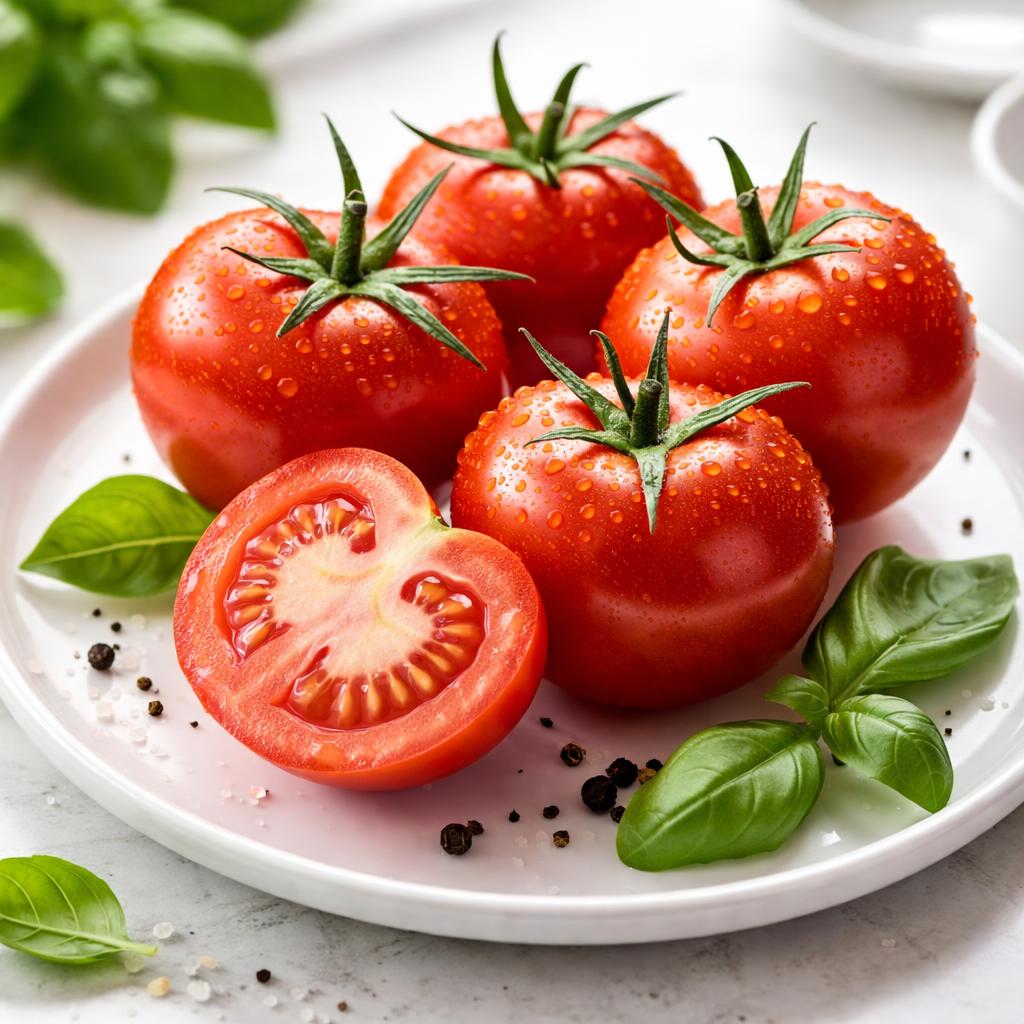
Tomato
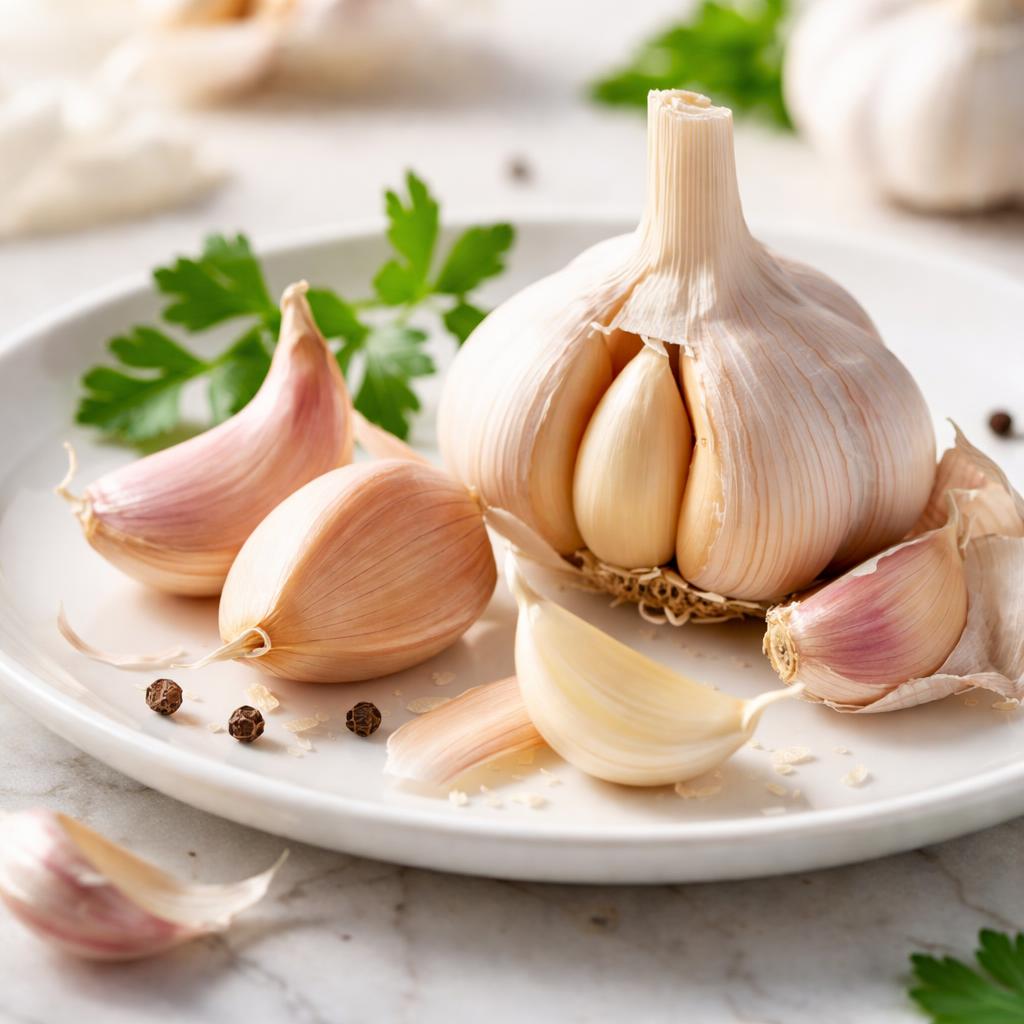
Garlic
🎯 Quick Verdict
Tomatoes and garlic offer different nutritional strengths. Tomatoes are lower in calories, slightly higher in fiber, and provide more vitamin C and potassium. Garlic, while higher in calories, is rich in antioxidants and compounds like allicin, known for their health-promoting properties. Choose tomatoes for hydration and a fiber boost, while garlic excels in immune support and flavor enhancement in meals.

Smart Nutrition Tracking with SnapCalorie

📊 Nutritional Comparison
Macronutrients
| Nutrient | Food 1 | Food 2 | Winner |
|---|---|---|---|
| Calories | 18 (per 100g) | 149 (per 100g) | ✓ |
| Protein | 0.9g | 6.4g | − |
| Carbs | 3.9g | 33.1g | ✓ |
| Fat | 0.2g | 0.5g | ✓ |
| Fiber | 1.2g | 0.5g | ✓ |
Vitamins & Minerals
| Nutrient | Food 1 | Food 2 | Winner |
|---|---|---|---|
| Vitamin C | 13.7mg | 31.2mg | ✓ |
| Potassium | 237mg | 401mg | ✓ |
| Vitamin B6 | 0.08mg | 1.235mg | ✓ |
🏆 Category Winners
Protein
Both contain low levels of protein per 100g.
Fiber
Tomatoes have more fiber, supporting digestion.
Calories
Tomatoes are drastically lower in calories.
Vitamins
Garlic is richer in vitamin C and B6.
🥗 Diet Compatibility
Keto
Food 1: Compatible
Food 2: Compatible
Both foods are low-carb.
Vegan
Food 1: Compatible
Food 2: Compatible
Both are plant-based.
Gluten Free
Food 1: Compatible
Food 2: Compatible
Neither contains gluten.
Paleo
Food 1: Compatible
Food 2: Compatible
Both are considered paleo-friendly.
Low-Carb
Food 1: Compatible
Food 2: Compatible
Both have minimal carbohydrate content.
💪 Health Benefits Comparison
Food 1 Benefits
- High in water content for hydration
- Rich in antioxidants like lycopene for skin health
- Good source of potassium for heart and muscle health
Food 2 Benefits
- Contains allicin, a compound with immune-supporting properties
- Rich in antioxidants for fighting free radicals
- Supports cardiovascular health by improving cholesterol levels
✅ The Bottom Line
Tomatoes are ideal for a refreshing, low-calorie, hydration boost and fiber-rich meals, while garlic serves as a potent addition to dishes for its flavor and immunity-supporting properties. Both offer unique superfood strengths based on your needs.
Choose Food 1 for: Weight loss, hydration, digestion support, summer salads
Choose Food 2 for: Flavor enhancement, immune support, heart health, therapeutic uses


