Tomato VS Cucumbers
A detailed nutritional comparison
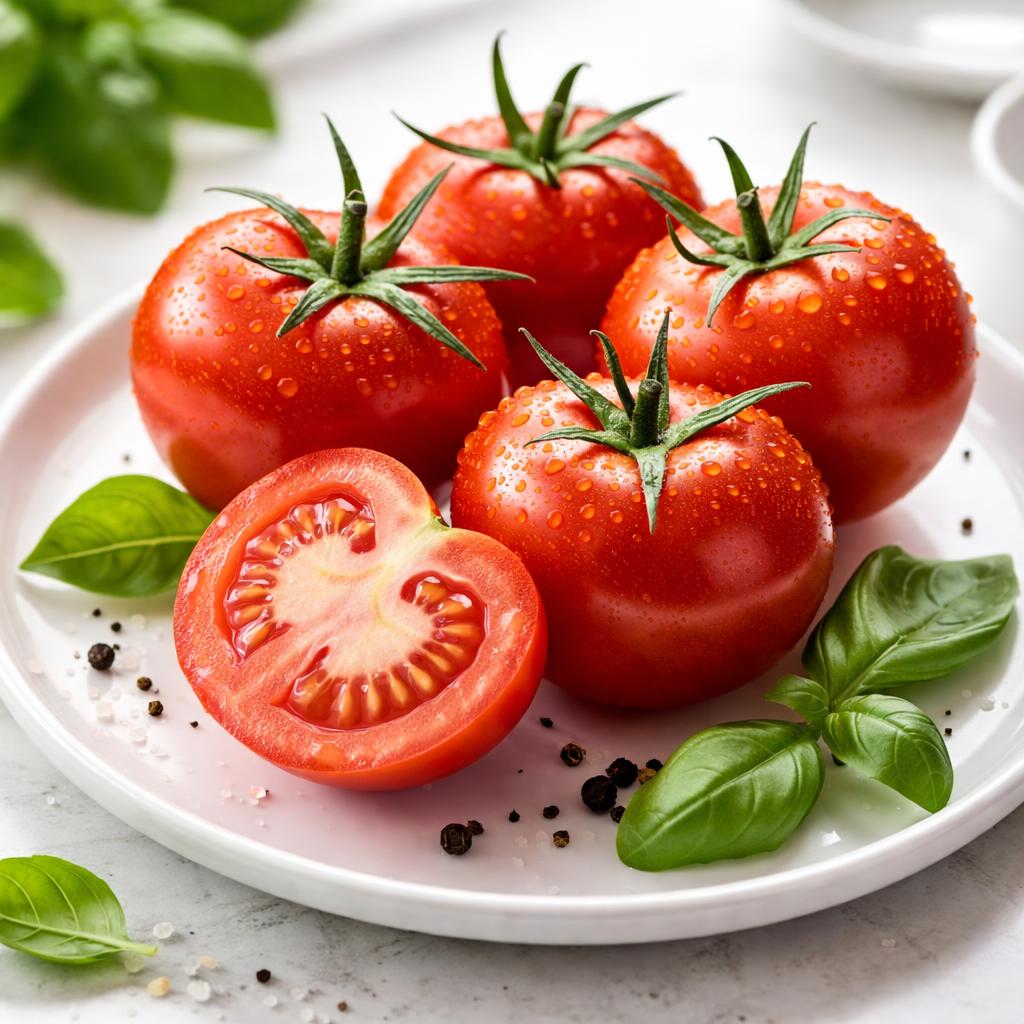
Tomato
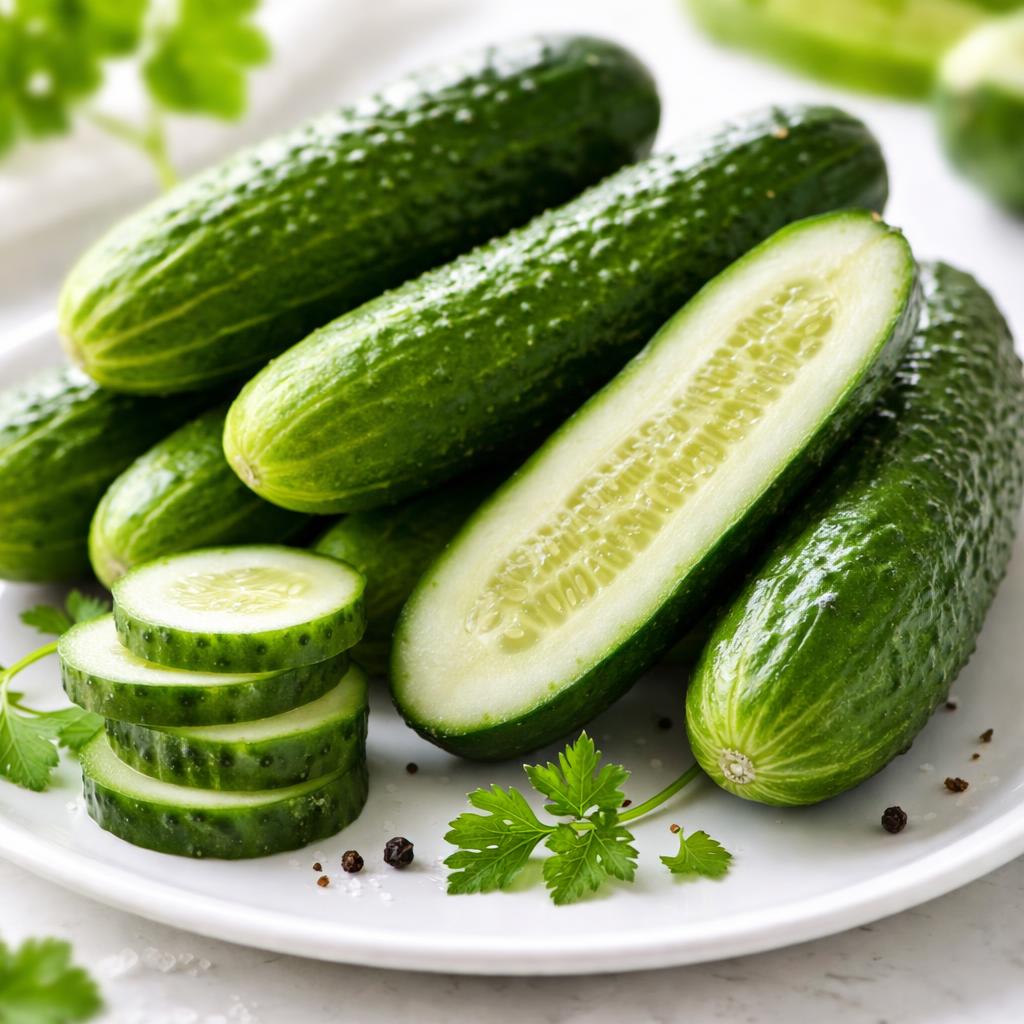
Cucumbers
🎯 Quick Verdict
Tomatoes and cucumbers are both hydrating, low-calorie vegetables, but they differ in key nutrients. Tomatoes provide more protein, fiber, and vitamins like Vitamin C and A, making them slightly more nutritionally dense. Cucumbers are less nutrient-dense but contain antioxidants and offer refreshing hydration—perfect for low-calorie diets or as a base in salads. Tomatoes shine for nutrient-rich recipes like sauces or spreads.

Smart Nutrition Tracking with SnapCalorie

📊 Nutritional Comparison
Macronutrients
| Nutrient | Food 1 | Food 2 | Winner |
|---|---|---|---|
| Calories | 18 per 100g | 15 per 100g | − |
| Protein | 0.9g | 0.6g | ✓ |
| Carbs | 3.8g | 3.6g | ✓ |
| Fat | 0.2g | 0.1g | ✓ |
| Fiber | 1.2g | 0.7g | ✓ |
Vitamins & Minerals
| Nutrient | Food 1 | Food 2 | Winner |
|---|---|---|---|
| Vitamin C | 13.7mg | 2.8mg | ✓ |
| Vitamin A | 42mcg | 3mcg | ✓ |
| Iron | 0.27mg | 0.14mg | ✓ |
🏆 Category Winners
Protein
Tomatoes have 50% more protein per 100g compared to cucumbers.
Fiber
Tomatoes have nearly twice the fiber of cucumbers per serving.
Calories
Both foods are extremely low in calories, ideal for weight management.
Vitamins
Tomatoes provide significantly higher levels of Vitamin C and A compared to cucumbers.
🥗 Diet Compatibility
Keto
Food 1: Compatible
Food 2: Compatible
Both are low-carb, non-starchy vegetables.
Vegan
Food 1: Compatible
Food 2: Compatible
Both are plant-based and suitable for vegan diets.
Gluten Free
Food 1: Compatible
Food 2: Compatible
They naturally contain no gluten.
Paleo
Food 1: Compatible
Food 2: Compatible
Both are whole, natural foods suitable for paleo diets.
Low Carb
Food 1: Compatible
Food 2: Compatible
Both are low in carbohydrates, with less than 4g per serving.
💪 Health Benefits Comparison
Food 1 Benefits
- Rich in Vitamin C for immune system support
- Provides lycopene, an antioxidant that promotes heart health
- Contains fiber for improved digestion
- Low calorie content aids in weight management
Food 2 Benefits
- Excellent source of hydration with over 95% water content
- Contains antioxidants like cucurbitacins for anti-inflammatory properties
- Helps regulate fluid balance with potassium content
- Low calorie food suitable for weight loss and snacking
✅ The Bottom Line
Choose tomatoes if you're looking for a nutrient-rich option with higher levels of vitamins, fiber, and protein—ideal for sauces, stews, or nutrient-dense snacks. Cucumbers are best for hydration, refreshing snacks, or salads where calorie control and crisp texture matter most.
Choose Food 1 for: Nutrient density, immune support, recipes like sauces and stews
Choose Food 2 for: Hydration, light snacking, salads and side dishes


