Tomato VS Chickpeas
A detailed nutritional comparison
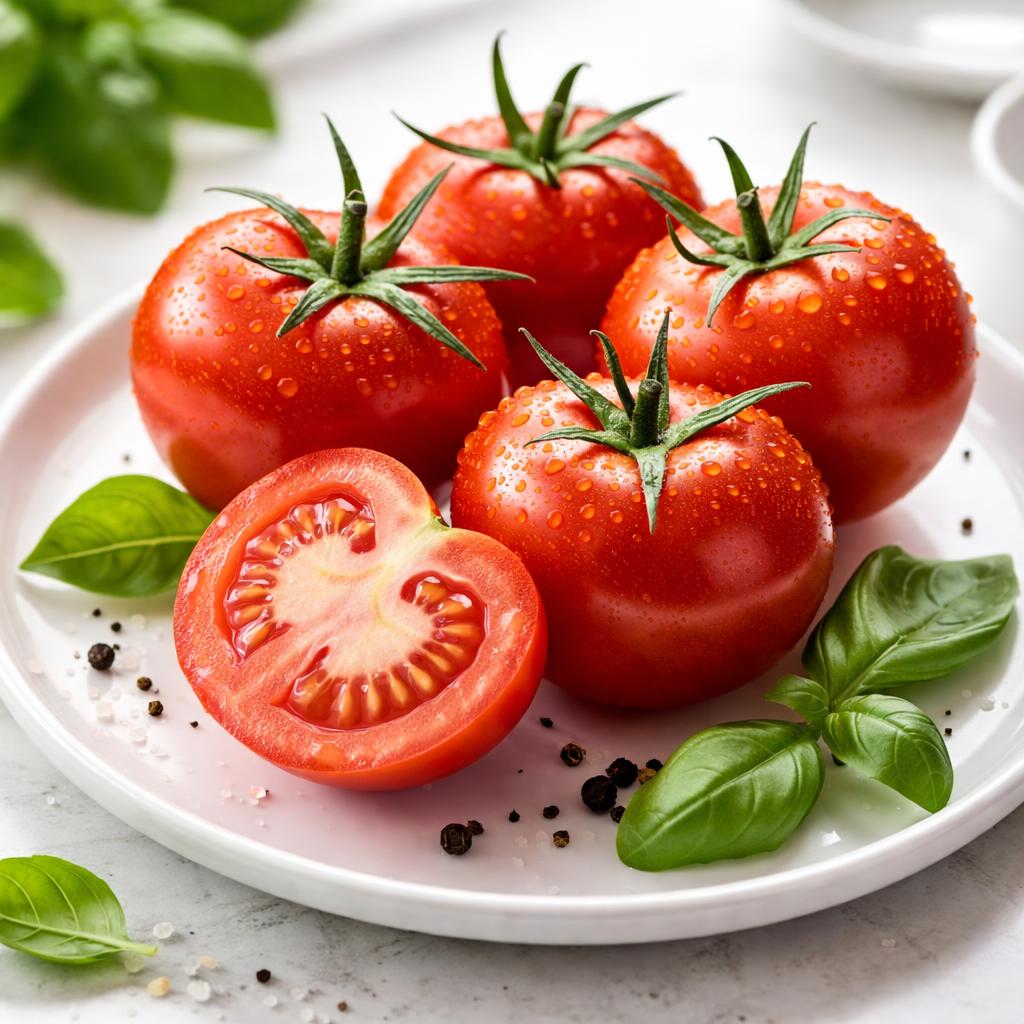
Tomato
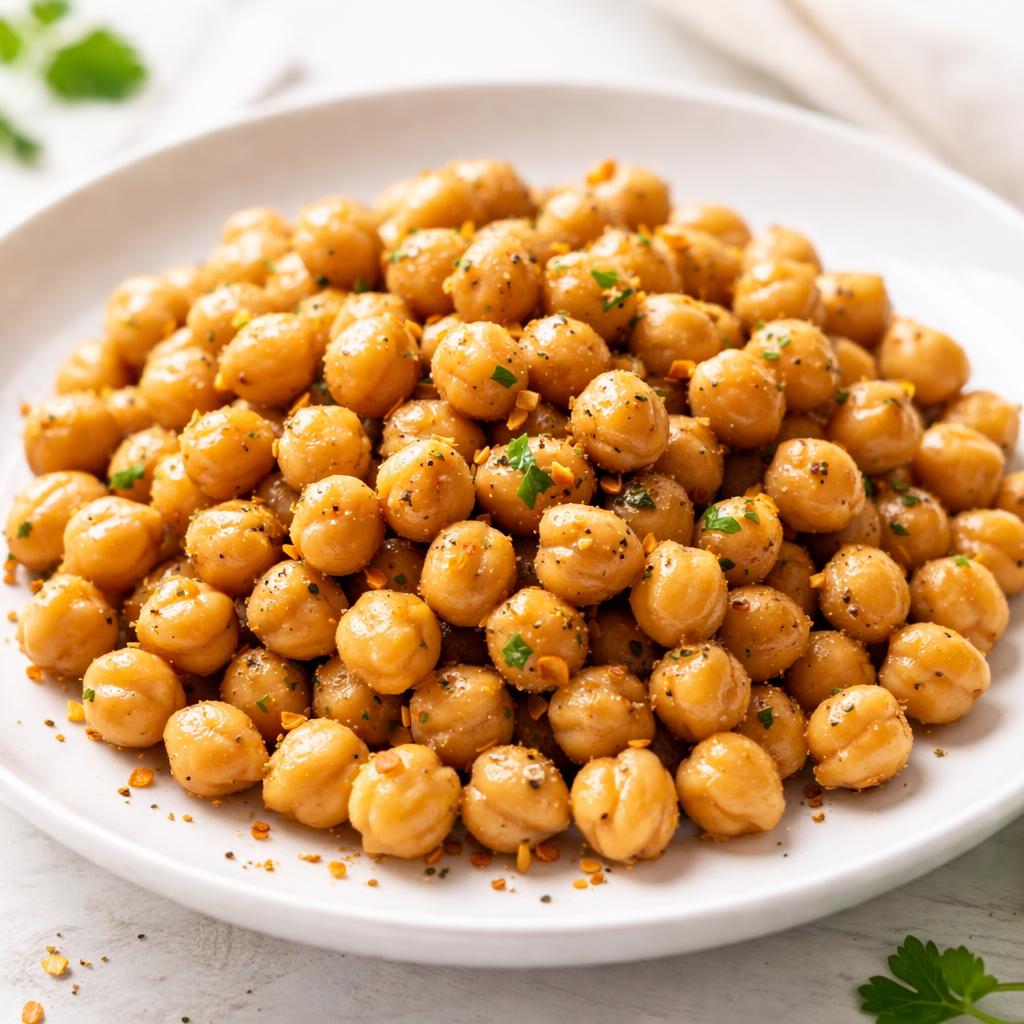
Chickpeas
🎯 Quick Verdict
Chickpeas are significantly richer in protein, fiber, and complex carbs, making them ideal for sustained energy and muscle growth. Tomatoes are far lower in calories and provide high amounts of vitamin C and hydration, beneficial for weight loss and immune health. These foods serve different purposes depending on specific dietary needs.

Smart Nutrition Tracking with SnapCalorie

📊 Nutritional Comparison
Macronutrients
| Nutrient | Food 1 | Food 2 | Winner |
|---|---|---|---|
| Calories | 18 per 100g | 164 per 100g | ✓ |
| Protein | 0.9g per 100g | 8.9g per 100g | ✓ |
| Carbs | 3.9g per 100g | 27.4g per 100g | ✓ |
| Fat | 0.2g per 100g | 2.6g per 100g | ✓ |
| Fiber | 1.2g per 100g | 7.6g per 100g | ✓ |
Vitamins & Minerals
| Nutrient | Food 1 | Food 2 | Winner |
|---|---|---|---|
| Vitamin C | 13.7mg per 100g | 0mg per 100g | ✓ |
| Vitamin A | 833 IU per 100g | 38 IU per 100g | ✓ |
| Iron | 0.3mg per 100g | 2.9mg per 100g | ✓ |
| Calcium | 10mg per 100g | 49mg per 100g | ✓ |
🏆 Category Winners
Protein
Chickpeas have almost 10 times more protein than tomatoes.
Fiber
Chickpeas provide over 6 times more fiber per serving.
Calories
Tomatoes are much lower in calories, ideal for weight loss.
Vitamins
Tomatoes are richer in vitamin C and vitamin A.
🥗 Diet Compatibility
Keto
Food 1: Compatible
Food 2: Not Compatible
Tomatoes are low-carb, while chickpeas are high in carbs.
Vegan
Food 1: Compatible
Food 2: Compatible
Both are plant-based and suitable for vegan diets.
Gluten Free
Food 1: Compatible
Food 2: Compatible
Neither contains gluten.
Paleo
Food 1: Compatible
Food 2: Not Compatible
Tomatoes fit paleo guidelines, but chickpeas are legumes and excluded from strict paleo diets.
Low Carb
Food 1: Compatible
Food 2: Not Compatible
Tomatoes are low-carb with 3.9g per serving. Chickpeas are high-carb, unsuitable for low-carb diets.
💪 Health Benefits Comparison
Food 1 Benefits
- Low-calorie option for weight loss
- Rich in vitamin C for immune system support
- Contains vitamin A for eye health
- High water content for hydration
Food 2 Benefits
- High in protein to support muscle building
- Great source of fiber for digestive health
- Provides iron to prevent anemia
- Rich in complex carbs for sustained energy
✅ The Bottom Line
Tomatoes and chickpeas serve different nutritional purposes. Choose tomatoes for low-calorie meals, hydration, and vitamin C. Opt for chickpeas when you need high protein, fiber, and energy for a filling meal or post-workout recovery.
Choose Food 1 for: Weight loss, hydration, boosting vitamin C intake
Choose Food 2 for: Muscle-building, digestion, sustained energy


