Tomato VS Chicken
A detailed nutritional comparison
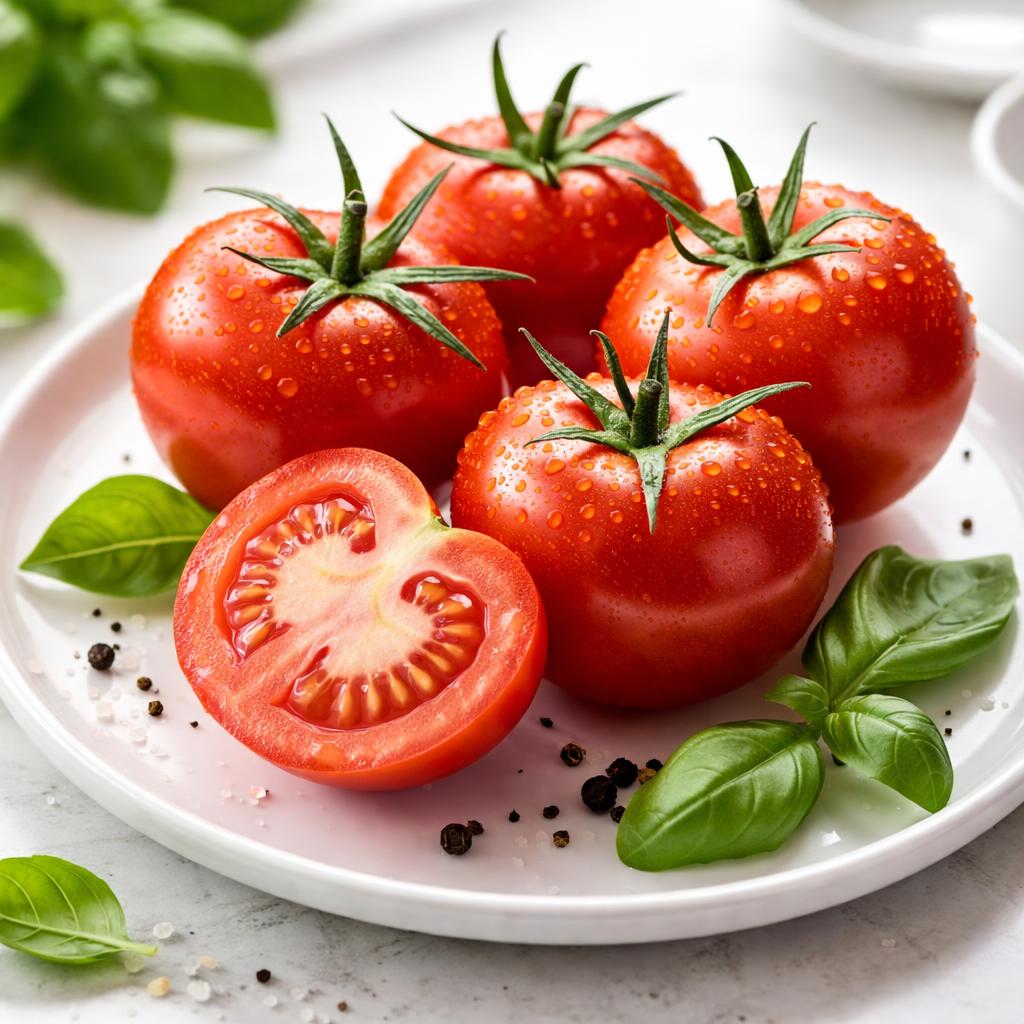
Tomato
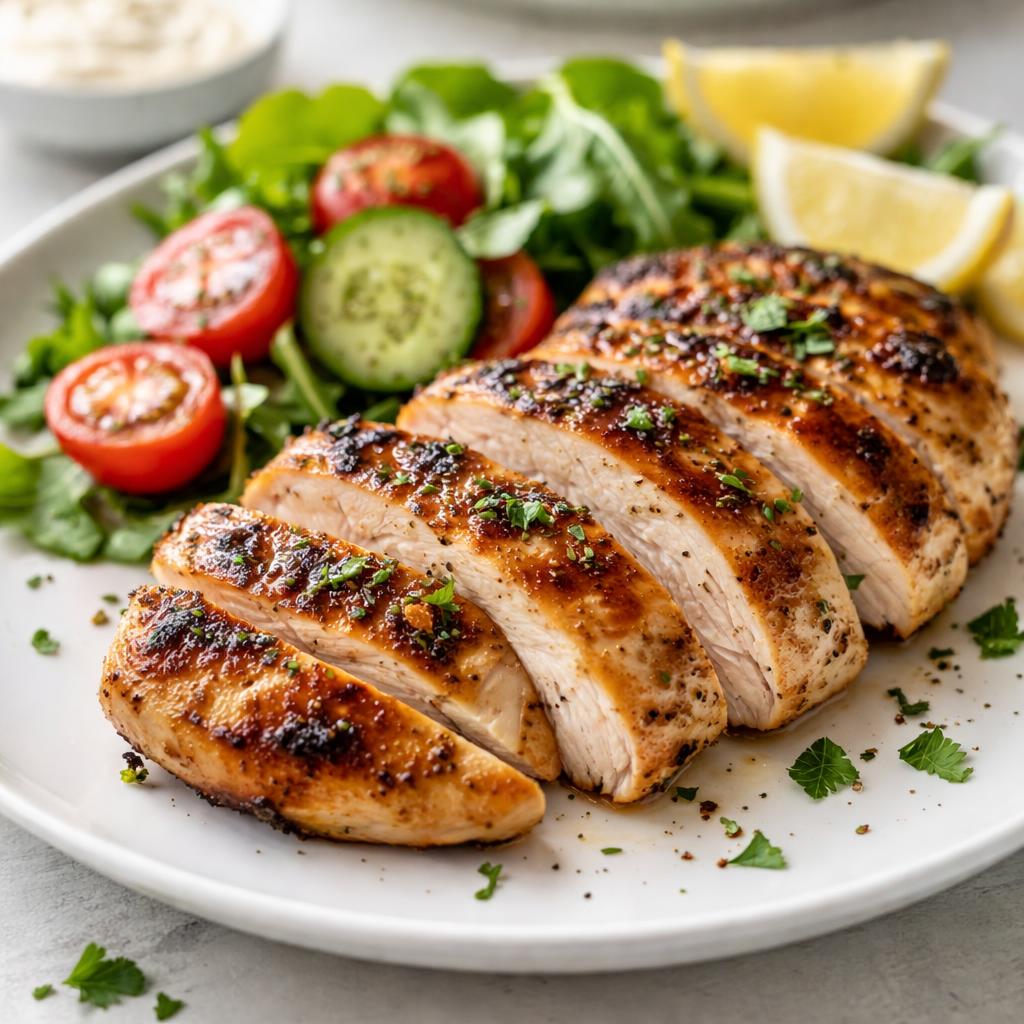
Chicken
🎯 Quick Verdict
Tomatoes are low in calories, high in fiber, and packed with vitamins like C, A, and potassium, making them ideal for weight management and hydration. Chicken, on the other hand, is a lean protein powerhouse with minimal carbs and fats, perfect for muscle building and sustained energy. Both foods serve distinct roles depending on dietary goals.

Smart Nutrition Tracking with SnapCalorie

📊 Nutritional Comparison
Macronutrients
| Nutrient | Food 1 | Food 2 | Winner |
|---|---|---|---|
| Calories | 18 (per 100g) | 165 (per 100g) | ✓ |
| Protein | 0.9g | 31g | ✓ |
| Carbs | 3.9g | 0g | ✓ |
| Fat | 0.2g | 3.6g | ✓ |
| Fiber | 1.2g | 0g | ✓ |
Vitamins & Minerals
| Nutrient | Food 1 | Food 2 | Winner |
|---|---|---|---|
| Vitamin C | 23.1mg | 0mg | ✓ |
| Vitamin A | 833IU | 5IU | ✓ |
| Potassium | 237mg | 256mg | ✓ |
| Iron | 0.3mg | 1mg | ✓ |
🏆 Category Winners
Protein
Chicken is significantly richer in protein (31g vs 0.9g per 100g).
Fiber
Tomatoes provide 1.2g of fiber while chicken has none.
Calories
Tomatoes are a much lower-calorie option (18 vs 165 per 100g).
Vitamins
Tomatoes are rich in vitamins like C and A, absent in chicken.
🥗 Diet Compatibility
Keto
Food 1: Compatible
Food 2: Compatible
Both are low in net carbs.
Vegan
Food 1: Compatible
Food 2: Not Compatible
Tomatoes are plant-based while chicken is animal-derived.
Gluten Free
Food 1: Compatible
Food 2: Compatible
Neither food contains gluten.
Paleo
Food 1: Compatible
Food 2: Compatible
Both are whole, minimally processed foods.
Low-Carb
Food 1: Compatible
Food 2: Compatible
Chicken has 0g carbs, and tomatoes are relatively low-carb at 3.9g per 100g.
💪 Health Benefits Comparison
Food 1 Benefits
- High in vitamin C for immune system support
- Rich in antioxidants like lycopene for heart health
- Low-calorie and hydrating for weight loss
- Provides fiber for digestive health
Food 2 Benefits
- Excellent source of lean protein for muscle repair and growth
- Low in carbs, suitable for low-carb diets
- Contains iron for improved oxygen transport in the body
- High nutrient density for sustained energy and satiety
✅ The Bottom Line
Choose tomatoes for hydration, antioxidant benefits, and weight management. Opt for chicken if you need a high-protein food to fuel muscle growth and support active lifestyles. Both foods complement each other in a balanced diet, offering fiber and vitamins from tomatoes alongside protein from chicken.
Choose Food 1 for: Weight loss, hydration, heart health
Choose Food 2 for: Muscle building, low-carb diets, active lifestyles


