Tomato VS Cabbage
A detailed nutritional comparison
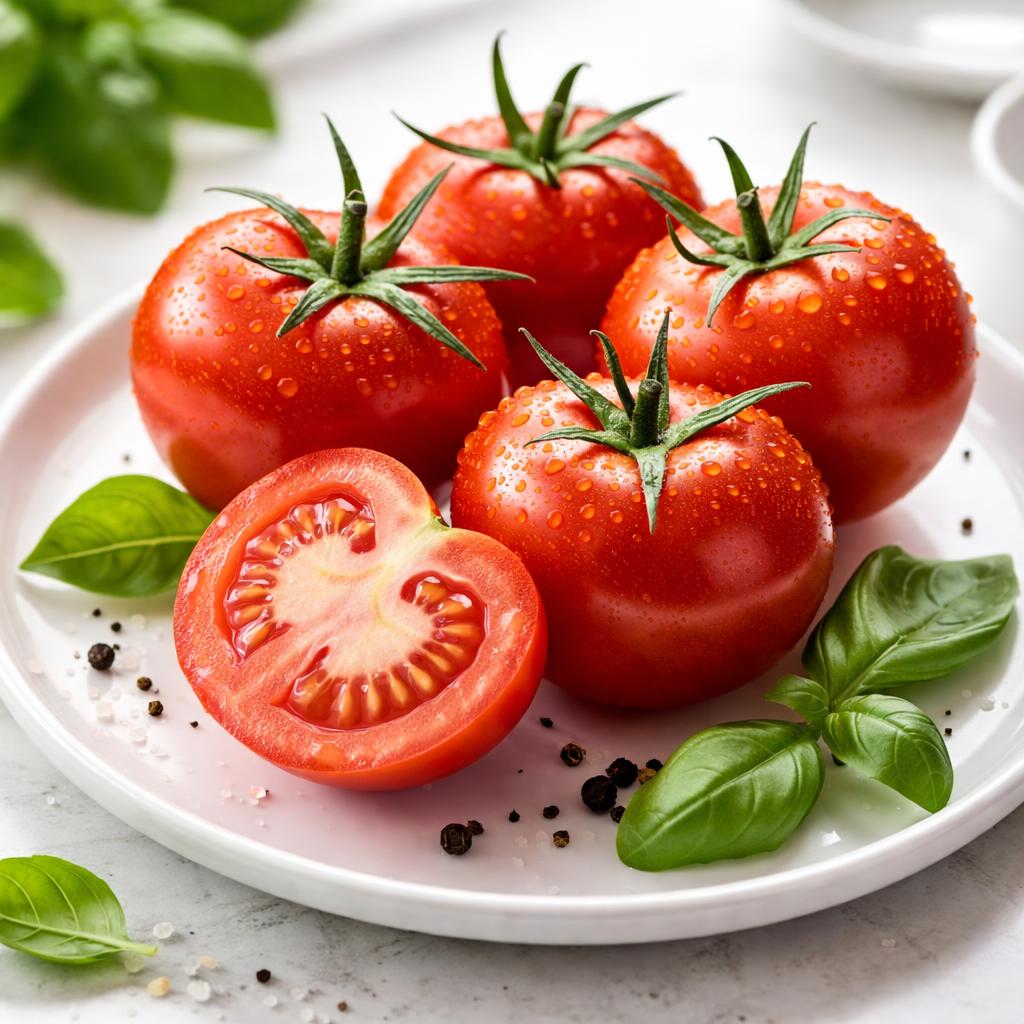
Tomato
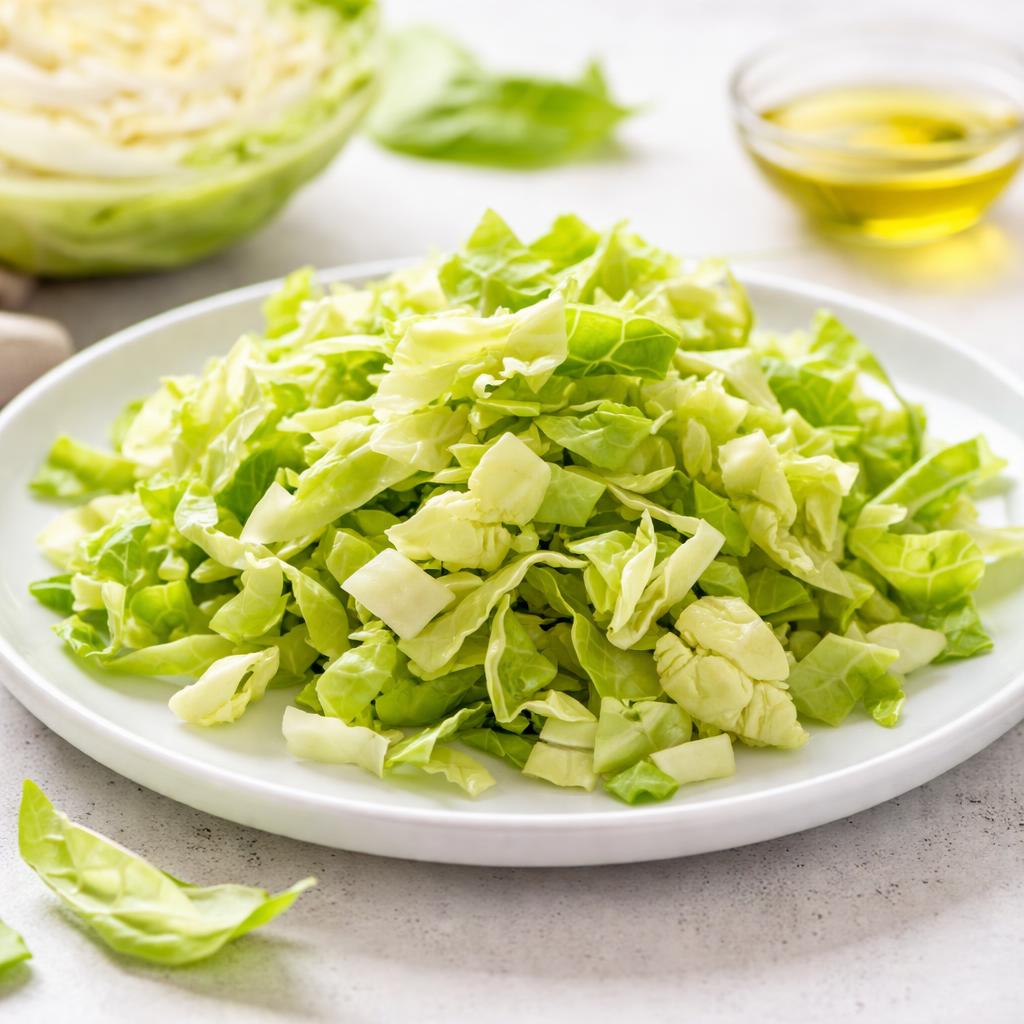
Cabbage
🎯 Quick Verdict
Tomatoes and cabbage are both low-calorie, nutrient-dense vegetables. Cabbage edges out in fiber content and protein, making it better for digestive health and satiety. Tomatoes shine with higher levels of vitamin C and antioxidants, making them ideal for immune support and skin health. Both are versatile and excellent additions to most diets.

Smart Nutrition Tracking with SnapCalorie

📊 Nutritional Comparison
Macronutrients
| Nutrient | Food 1 | Food 2 | Winner |
|---|---|---|---|
| Calories | 18 calories | 25 calories | − |
| Protein | 0.9g | 1.3g | ✓ |
| Carbs | 3.9g | 5.8g | ✓ |
| Fat | 0.2g | 0.1g | ✓ |
| Fiber | 1.2g | 2.5g | ✓ |
Vitamins & Minerals
| Nutrient | Food 1 | Food 2 | Winner |
|---|---|---|---|
| Vitamin C | 19.1mg | 36.6mg | ✓ |
| Vitamin K | 9.7mcg | 81.5mcg | ✓ |
| Vitamin A | 1025 IU | 98 IU | ✓ |
🏆 Category Winners
Protein
Cabbage has 44% more protein per serving than tomatoes.
Fiber
Cabbage provides over twice the fiber content of tomatoes.
Calories
Tomatoes and cabbage are similarly low-calorie.
🥗 Diet Compatibility
Keto
Food 1: Compatible
Food 2: Compatible
Both are low in carbs and appropriate for keto diets.
Vegan
Food 1: Compatible
Food 2: Compatible
Both foods are plant-based and suitable for vegan diets.
Gluten Free
Food 1: Compatible
Food 2: Compatible
Neither food contains gluten.
Paleo
Food 1: Compatible
Food 2: Compatible
Both are whole, unprocessed foods fitting the paleo guidelines.
Low-Carb
Food 1: Compatible
Food 2: Compatible
Both are low in carbohydrates and suitable for low-carb diets.
💪 Health Benefits Comparison
Food 1 Benefits
- Rich in antioxidants like lycopene for heart and skin health
- High in vitamin A for eye health
- Supports immune system with vitamin C
Food 2 Benefits
- Excellent source of fiber for digestion and gut health
- High in vitamin K for bone health and blood clotting
- Contains sulfur compounds for anti-inflammatory benefits
✅ The Bottom Line
Both tomato and cabbage are outstanding choices depending on your dietary needs. Choose tomatoes for antioxidant-rich support and vitamins A and C. Cabbage is better suited for improving digestion and boosting fiber and vitamin K levels. Both fit most diet plans and can be enjoyed raw, cooked, or juiced.
Choose Food 1 for: Antioxidants, skin health, immune support
Choose Food 2 for: Digestive health, satiety, bone health


