Tomato VS Butter
A detailed nutritional comparison
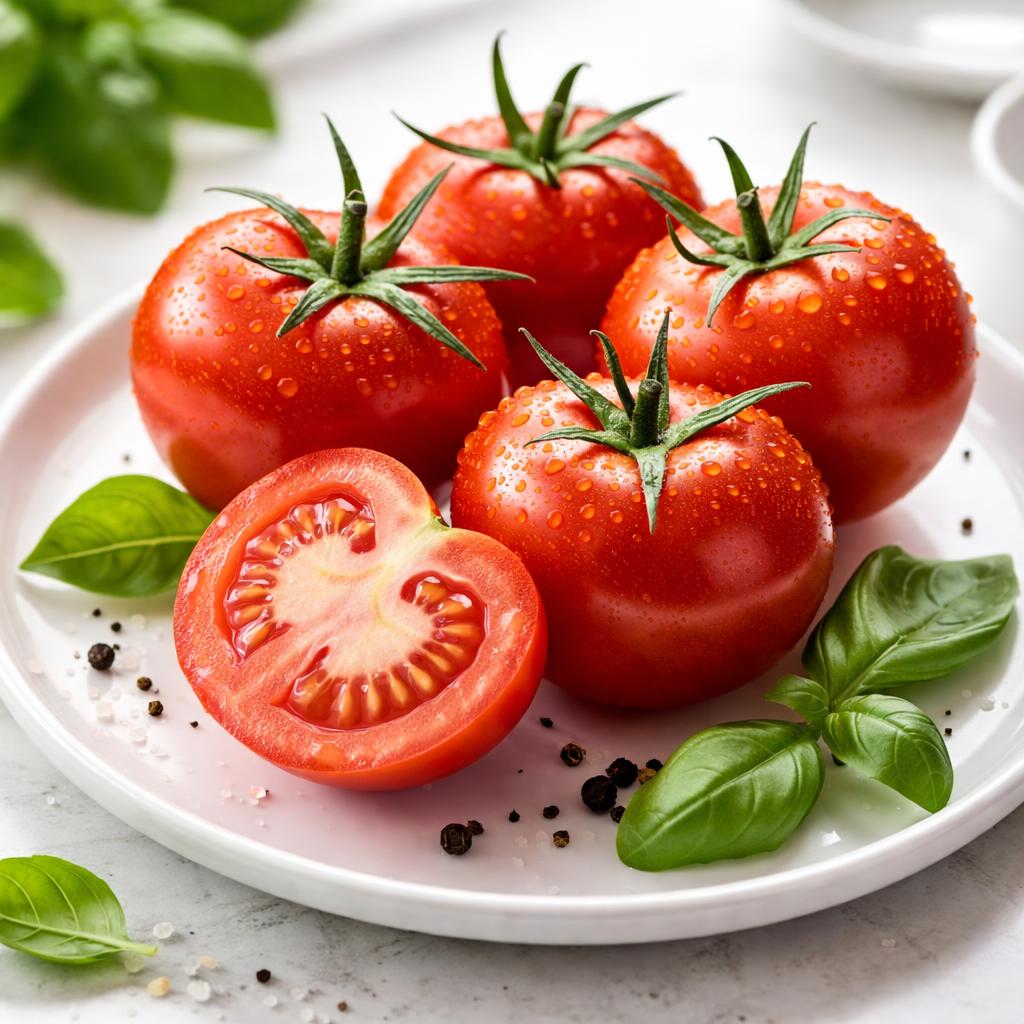
Tomato
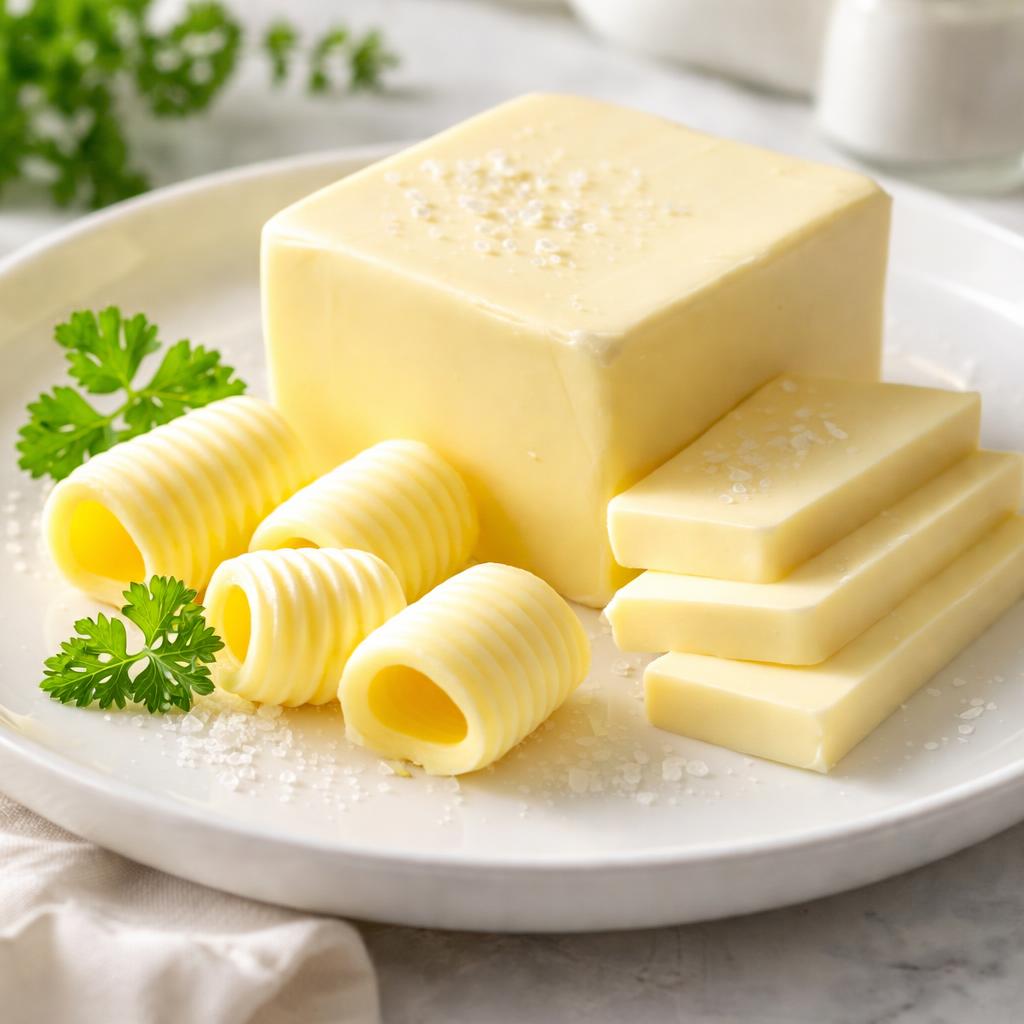
Butter
🎯 Quick Verdict
Tomatoes are low-calorie, nutrient-dense fruits rich in fiber, vitamins A and C, and versatile for many dishes. Butter, in contrast, is calorie-dense, high in fats (especially saturated fats), and provides vitamins like A and D. Tomatoes are ideal for general health, while butter offers concentrated energy and flavor but should be used sparingly in diets prioritizing heart health.

Smart Nutrition Tracking with SnapCalorie

📊 Nutritional Comparison
Macronutrients
| Nutrient | Food 1 | Food 2 | Winner |
|---|---|---|---|
| Calories | 18 (per 100g) | 717 (per 100g) | ✓ |
| Protein | 0.9g (per 100g) | 0.9g (per 100g) | − |
| Carbs | 3.9g (per 100g) | 0.1g (per 100g) | ✓ |
| Fat | 0.2g (per 100g) | 81g (per 100g) | ✓ |
| Fiber | 1.2g (per 100g) | 0g (per 100g) | ✓ |
Vitamins & Minerals
| Nutrient | Food 1 | Food 2 | Winner |
|---|---|---|---|
| Vitamin A | 833 IU | 684 IU | ✓ |
| Vitamin C | 13.7mg | 0mg | ✓ |
| Vitamin D | 0mcg | 1mcg | ✓ |
| Calcium | 10mg | 24mg | ✓ |
| Iron | 0.3mg | 0.02mg | ✓ |
🏆 Category Winners
Protein
Both foods offer 0.9g of protein per 100g.
Fiber
Tomatoes provide 1.2g of fiber, while butter has none.
Calories
Tomatoes are significantly lower in calories compared to butter.
Vitamins
Tomatoes dominate in vitamins and antioxidants like vitamin C, while butter offers vitamin D.
🥗 Diet Compatibility
Keto
Food 1: Compatible
Food 2: Compatible
Both foods are low-carb, suitable for keto diets.
Vegan
Food 1: Compatible
Food 2: Not Compatible
Tomatoes are plant-based, while butter is an animal product.
Gluten Free
Food 1: Compatible
Food 2: Compatible
Neither food contains gluten.
Paleo
Food 1: Compatible
Food 2: Compatible
Both foods align with paleo diet principles.
Low-Carb
Food 1: Compatible
Food 2: Compatible
Both foods are considered low in carbohydrates.
💪 Health Benefits Comparison
Food 1 Benefits
- Rich in antioxidants, including lycopene, which supports heart health.
- A natural source of vitamins A and C for skin and immune support.
- Low in calories, making it ideal for weight management.
Food 2 Benefits
- Provides concentrated energy for physically demanding activities.
- Contains vitamin D, supporting bone health and immunity.
- Improves flavor and texture in cooking, promoting satiety.
✅ The Bottom Line
Choose tomatoes when you want a nutrient-dense, low-calorie food rich in fiber and vitamins for general health. Butter is best used sparingly for concentrated energy and adding flavor in cooking but should be balanced with heart-healthy foods.
Choose Food 1 for: Weight management, antioxidant-rich diets, immune support.
Choose Food 2 for: High energy needs, flavor enhancement, keto diets.


