Tomato VS Brussels Sprouts
A detailed nutritional comparison
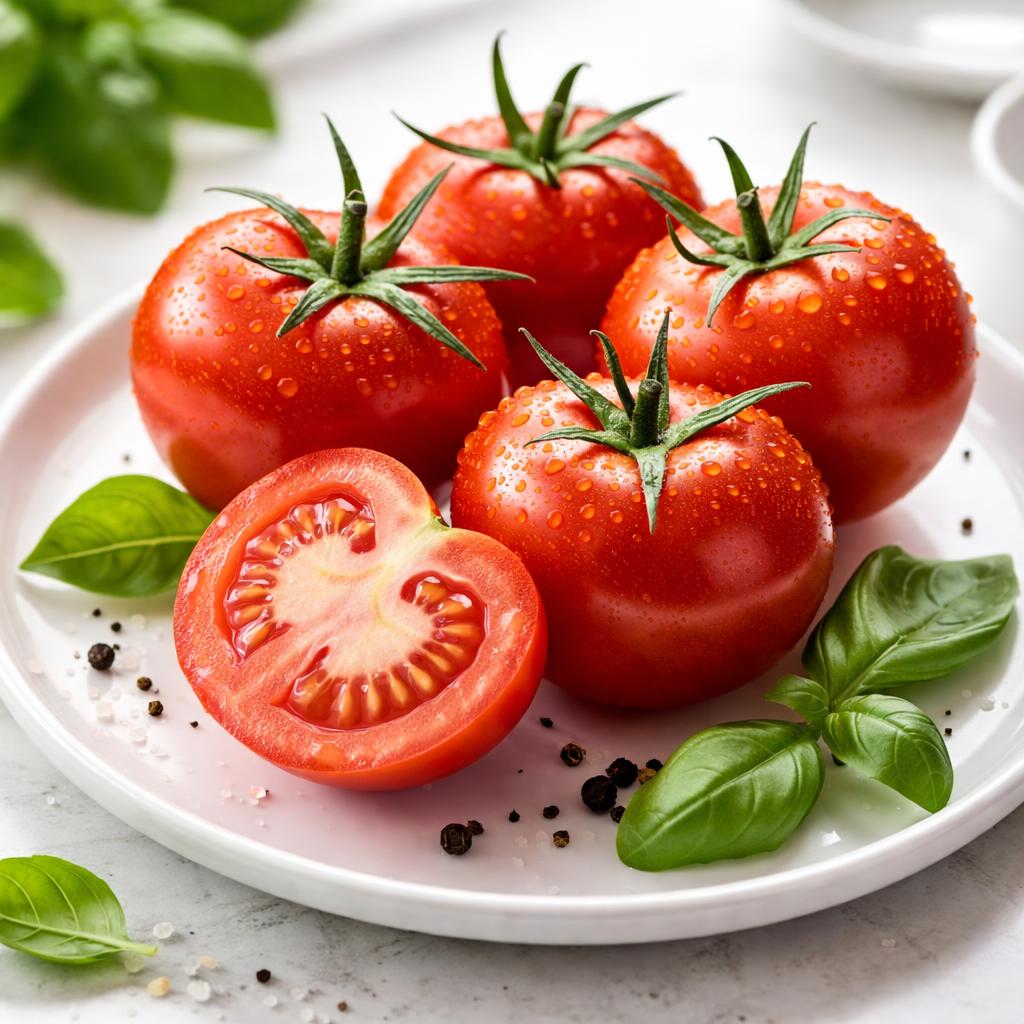
Tomato
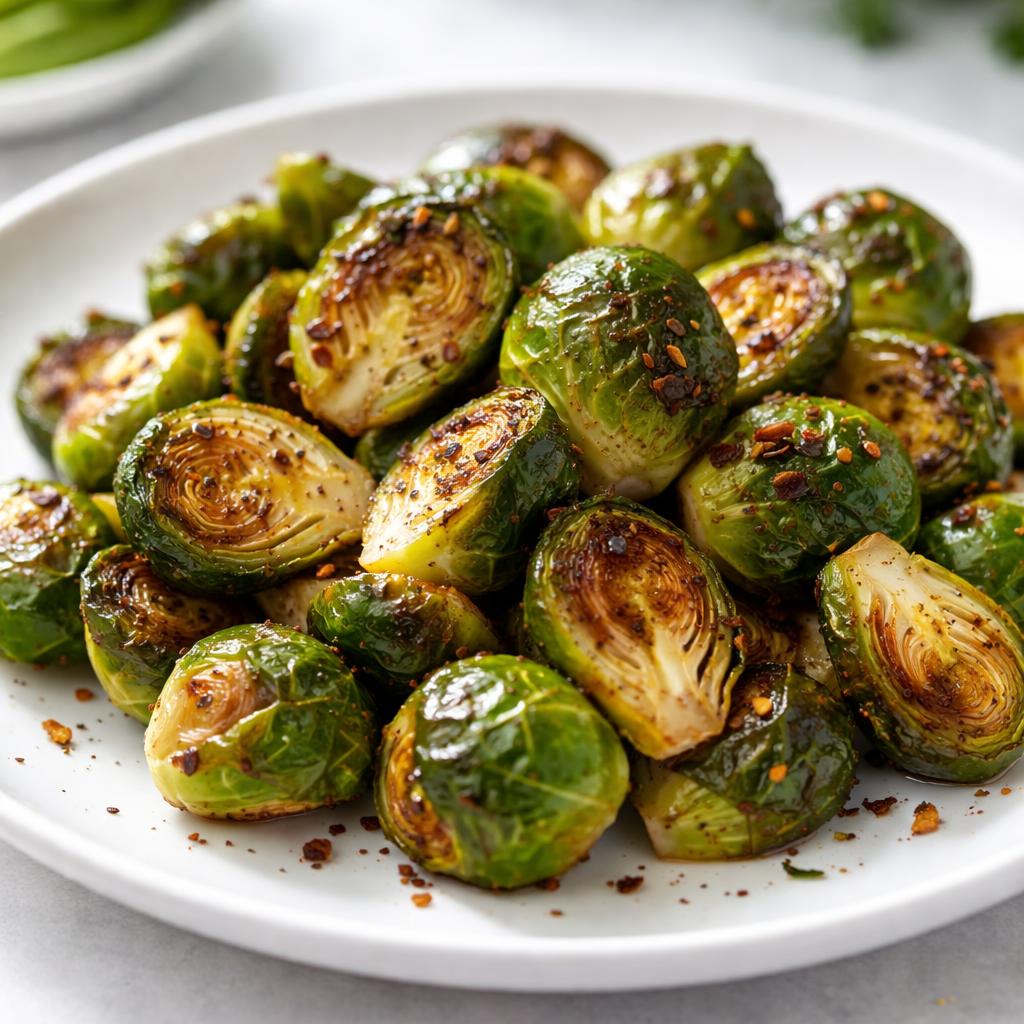
Brussels Sprouts
🎯 Quick Verdict
Tomatoes are lower in calories and offer hydration, vitamin C, and antioxidants, while brussels sprouts excel in protein, fiber, and micronutrients like vitamin K and folate. Tomatoes work well in light meals or snacks, while brussels sprouts are ideal for nutrient-packed sides or main dishes in hearty meals.

Smart Nutrition Tracking with SnapCalorie

📊 Nutritional Comparison
Macronutrients
| Nutrient | Food 1 | Food 2 | Winner |
|---|---|---|---|
| Calories | 18 per 100g | 43 per 100g | ✓ |
| Protein | 0.9g per 100g | 3.4g per 100g | ✓ |
| Carbs | 3.9g per 100g | 8.9g per 100g | ✓ |
| Fat | 0.2g per 100g | 0.3g per 100g | − |
| Fiber | 1.2g per 100g | 3.8g per 100g | ✓ |
Vitamins & Minerals
| Nutrient | Food 1 | Food 2 | Winner |
|---|---|---|---|
| Vitamin C | 23mg per 100g | 85mg per 100g | ✓ |
| Vitamin K | 9.7mcg per 100g | 177mcg per 100g | ✓ |
| Folate | 15mcg per 100g | 61mcg per 100g | ✓ |
| Potassium | 237mg per 100g | 389mg per 100g | ✓ |
🏆 Category Winners
Protein
Brussels sprouts have nearly 4 times more protein than tomatoes per serving.
Fiber
Brussels sprouts provide over 3 times more fiber per 100g, supporting digestion.
Calories
Tomatoes are lower in calories and ideal for weight management.
Vitamins
Brussels sprouts surpass tomatoes in vitamin C, K, folate, and potassium, making them more nutrient-dense.
🥗 Diet Compatibility
Keto
Food 1: Not Compatible
Food 2: Compatible
Brussels sprouts are lower in net carbs and more suitable for keto.
Vegan
Food 1: Compatible
Food 2: Compatible
Both foods are plant-based and align with vegan diets.
Gluten Free
Food 1: Compatible
Food 2: Compatible
Neither contains gluten, making them safe for gluten-free diets.
Paleo
Food 1: Compatible
Food 2: Compatible
Both are whole, unprocessed foods and fit in paleo diets.
Low-Carb
Food 1: Compatible
Food 2: Compatible
Tomatoes are very low in carbs (3.9g per 100g), while brussels sprouts provide moderate carbs (8.9g per 100g).
💪 Health Benefits Comparison
Food 1 Benefits
- Packed with antioxidants (lycopene) to support cellular health
- Rich source of vitamin C for immune function
- Hydrating due to high water content
Food 2 Benefits
- High in dietary fiber for better digestion and regularity
- Rich in vitamin K to promote bone health
- Provides significant vitamin C for immunity and skin health
- Contains beneficial compounds with antioxidant properties
✅ The Bottom Line
Tomatoes are ideal for light, refreshing meals or snacks, offering hydration and lower calories. Brussels sprouts provide superior nutrient density, fiber, and protein and are better suited for hearty meals or as an accompaniment for overall health support.
Choose Food 1 for: Weight loss, hydration, light snacks or salads
Choose Food 2 for: Digestive health, bone strength, nutrient-rich sides or main courses


