Tomato VS Broth
A detailed nutritional comparison
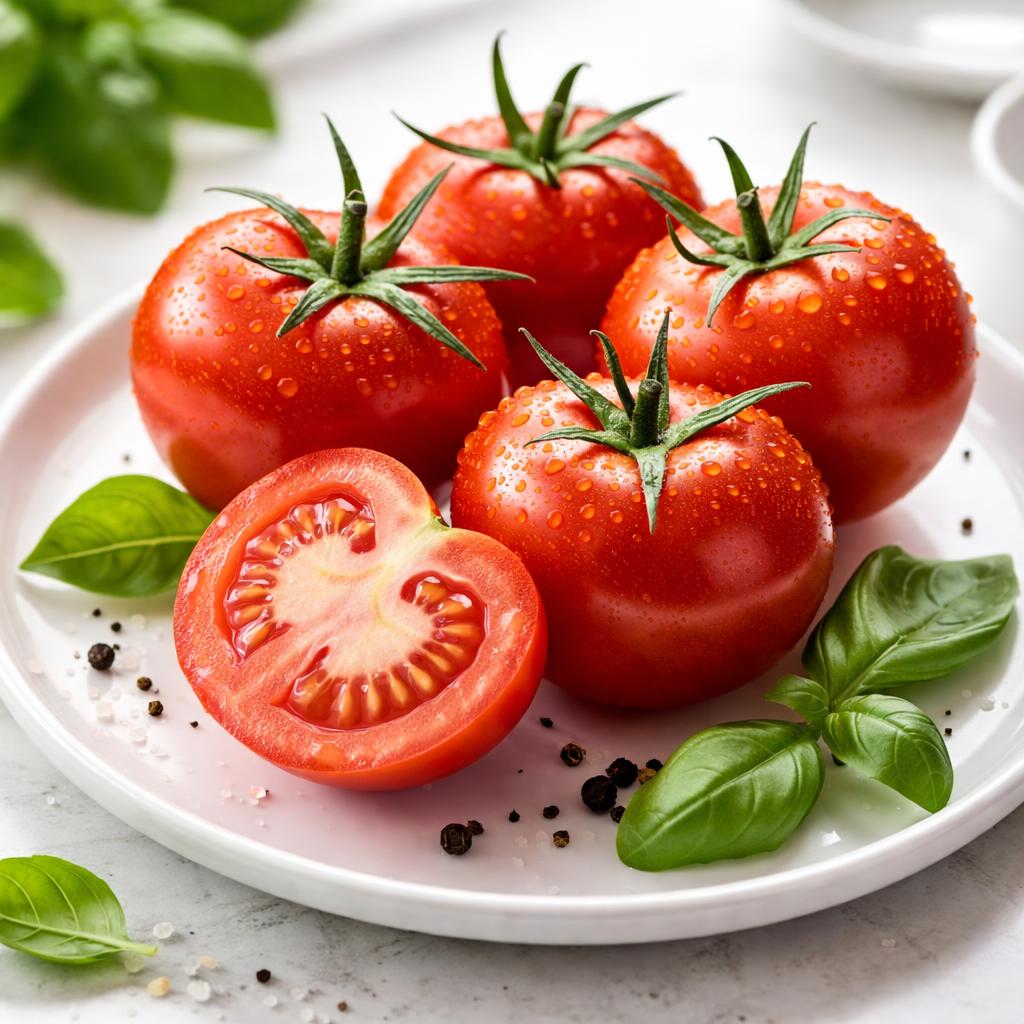
Tomato
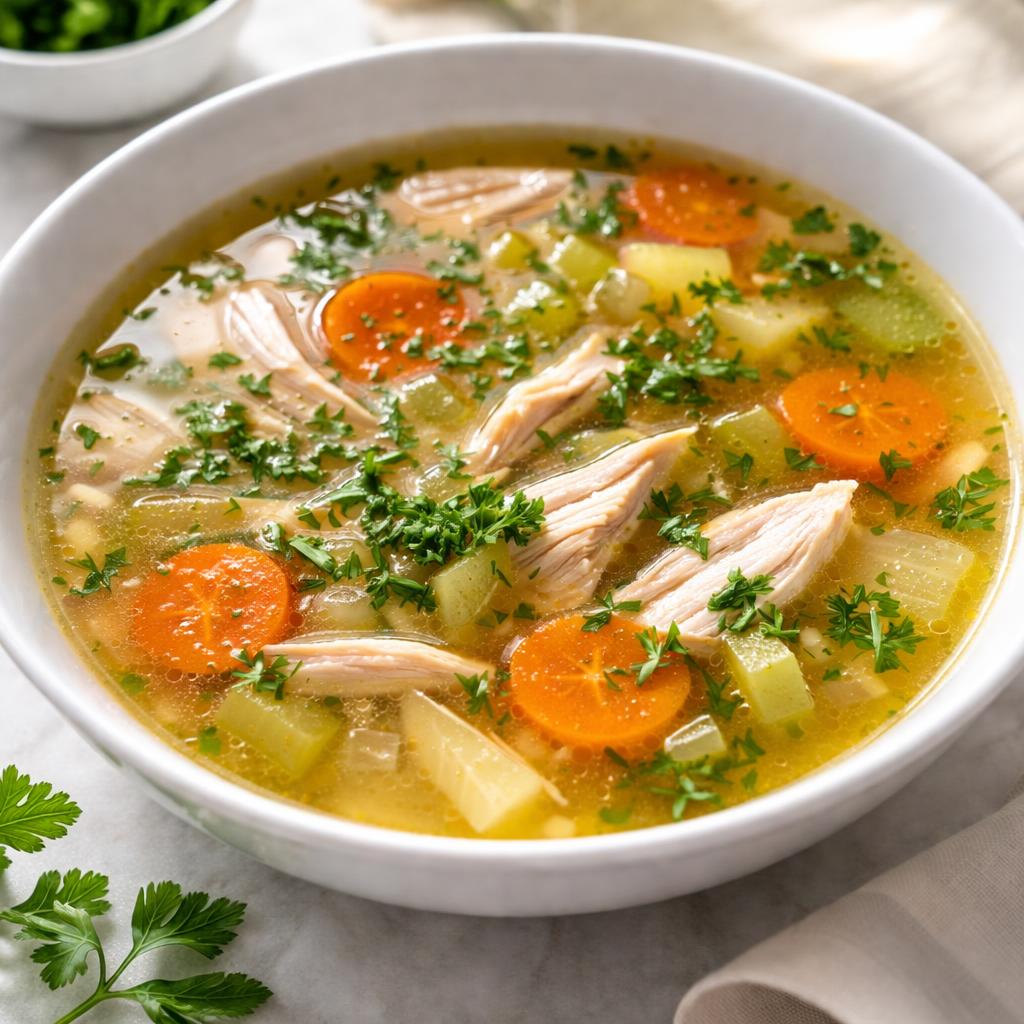
Broth
🎯 Quick Verdict
Tomato is nutrient-dense, offering higher fiber, vitamins, and minerals, while broth is lower in calories and provides essential hydration but fewer nutritional benefits. Tomato is best suited for nutrient-rich meals while broth is great for light, low-calorie hydration or as a base for soups.

Smart Nutrition Tracking with SnapCalorie

📊 Nutritional Comparison
Macronutrients
| Nutrient | Food 1 | Food 2 | Winner |
|---|---|---|---|
| Calories | 18 | 10 | ✓ |
| Protein | 0.9g | 1g | ✓ |
| Carbs | 3.9g | 0g | ✓ |
| Fat | 0.2g | 0g | ✓ |
| Fiber | 1.2g | 0g | ✓ |
Vitamins & Minerals
| Nutrient | Food 1 | Food 2 | Winner |
|---|---|---|---|
| Vitamin C | 14mg | 0mg | ✓ |
| Vitamin A | 833 IU | 0 IU | ✓ |
| Potassium | 237mg | 22mg | ✓ |
| Sodium | 5mg | 450mg | ✓ |
🏆 Category Winners
Protein
Broth has slightly more protein per serving compared to tomato.
Fiber
Tomato provides 1.2g of fiber per serving, while broth lacks fiber completely.
Calories
Broth is lower in calories, offering only 10 calories per serving compared to 18 for tomato.
Vitamins
Tomato is rich in vitamins such as Vitamin C, Vitamin A, and potassium, while broth lacks significant vitamin content.
🥗 Diet Compatibility
Keto
Food 1: Compatible
Food 2: Compatible
Both foods are low in carbohydrates.
Vegan
Food 1: Compatible
Food 2: Depends on preparation
Tomato is plant-based, while broth can be animal- or plant-based.
Gluten Free
Food 1: Compatible
Food 2: Compatible
Neither contains gluten.
Paleo
Food 1: Compatible
Food 2: Compatible
Both fit into paleo guidelines when broth is made without additives.
Low-Carb
Food 1: Compatible
Food 2: Compatible
Both foods are low-carb, with tomato providing just 3.9g and broth offering 0g of carbs per serving.
💪 Health Benefits Comparison
Food 1 Benefits
- Rich in Vitamin C for immune support
- Provides fiber to aid in digestion
- Contains potassium for heart health
- Packed with antioxidants like lycopene for overall wellbeing
Food 2 Benefits
- Low calorie for weight management
- Hydrates and replenishes body fluids
- Can aid digestion as part of a broth-based meal
- Provides sodium and electrolytes for increased hydration
✅ The Bottom Line
Tomato excels in overall nutrition, making it ideal for balanced meals and improving vitamin intake. Broth is better for hydration, low-calorie diets, or as a light base for soups. Choose tomato for nutrient density and broth for simplicity and low caloric impact.
Choose Food 1 for: Nutrient-dense meals, vitamin boosts, supporting digestion
Choose Food 2 for: Hydration, weight loss diets, soup bases


