Tomato VS Big Mac
A detailed nutritional comparison
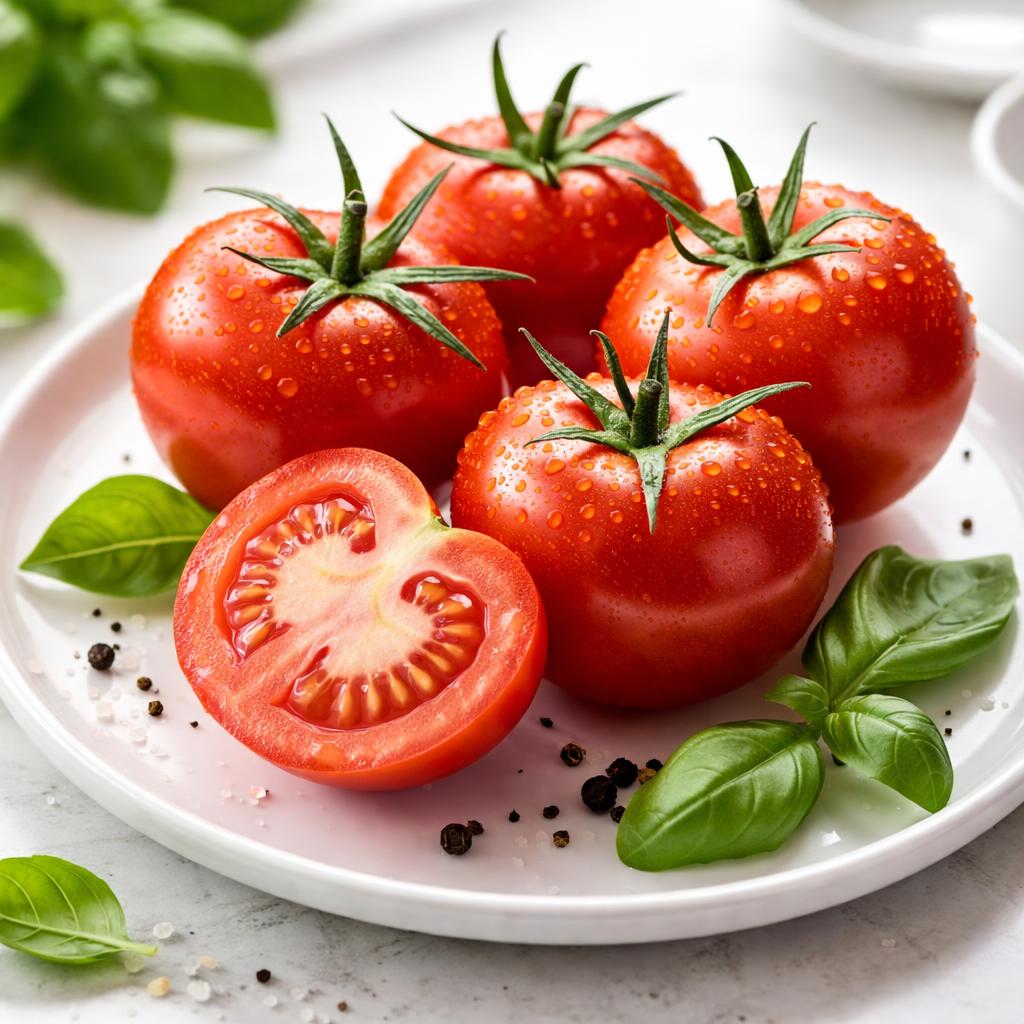
Tomato
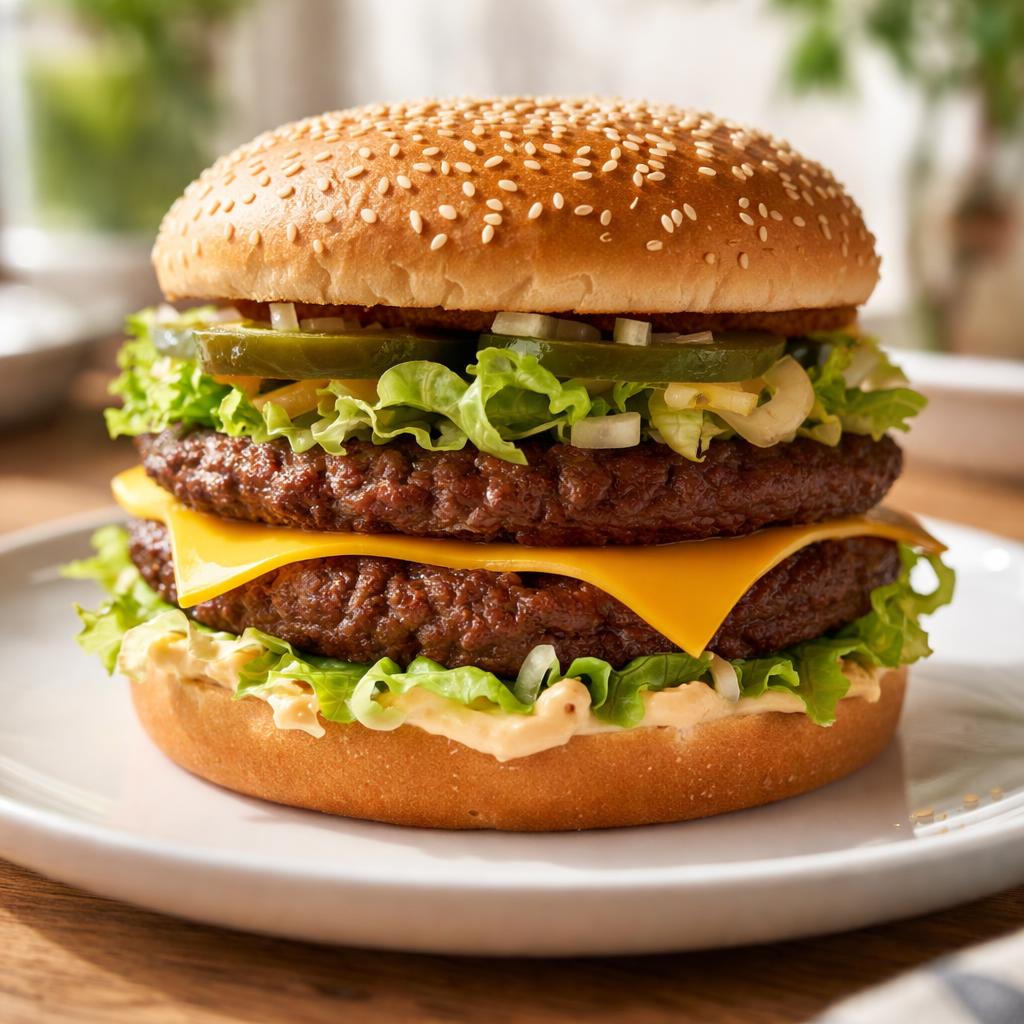
Big Mac
🎯 Quick Verdict
Tomatoes are a low-calorie, nutrient-rich food perfect for those seeking vitamins and fiber, while Big Macs offer higher protein and fats better suited for energy-dense meals. Tomatoes are ideal as a healthy addition to plant-based diets, whereas Big Macs are a convenient, calorie-dense option for occasional indulgence.

Smart Nutrition Tracking with SnapCalorie

📊 Nutritional Comparison
Macronutrients
| Nutrient | Food 1 | Food 2 | Winner |
|---|---|---|---|
| Calories | 18 | 564 | ✓ |
| Protein | 0.9g | 25g | ✓ |
| Carbs | 3.9g | 46g | ✓ |
| Fat | 0.2g | 28g | ✓ |
| Fiber | 1.2g | 3g | ✓ |
Vitamins & Minerals
| Nutrient | Food 1 | Food 2 | Winner |
|---|---|---|---|
| Vitamin C | 14mg | 0mg | ✓ |
| Vitamin A | 833IU | 265IU | ✓ |
| Iron | 0.3mg | 2.4mg | ✓ |
| Calcium | 10mg | 253mg | ✓ |
🏆 Category Winners
Protein
Big Macs contain significantly more protein, making them suitable for higher protein demands.
Fiber
Big Macs contain slightly more fiber than tomatoes per serving.
Calories
Tomatoes are extremely low-calorie compared to Big Macs.
Vitamins
Tomatoes are richer in vitamins C and A compared to Big Macs.
🥗 Diet Compatibility
Keto
Food 1: Not Compatible
Food 2: Not Compatible
Both foods are too high in carbohydrates for strict keto diets.
Vegan
Food 1: Compatible
Food 2: Not Compatible
Tomatoes are plant-based; Big Macs contain meat and dairy.
Gluten Free
Food 1: Compatible
Food 2: Not Compatible
Tomatoes are naturally gluten-free; Big Macs contain gluten from the bun.
Paleo
Food 1: Compatible
Food 2: Not Compatible
Tomatoes align with whole-food diets; Big Macs do not due to processed ingredients.
Low-Carb
Food 1: Compatible
Food 2: Not Compatible
Tomatoes are low in carbs whereas Big Macs have 46g per serving.
💪 Health Benefits Comparison
Food 1 Benefits
- Rich in vitamin C for immune support
- High in antioxidants like lycopene for heart and skin health
- Low-calorie and nutrient-dense for weight management
Food 2 Benefits
- Good source of protein for muscle maintenance
- Contains calcium for bone health
- Provides energy and sustenance in calorie-dense meals
✅ The Bottom Line
Tomatoes are a better choice for nutrient density, low-calorie diets, and vitamin intake, while Big Macs provide more protein and calories for those needing energy-dense meals. Choose tomatoes for light snacks or plant-based eating, and Big Macs for a filling, occasional indulgence.
Choose Food 1 for: Weight loss, vegetarian meals, vitamin boost
Choose Food 2 for: Energy requirements, protein-rich meals, occasional treat


