Tomato VS Beer
A detailed nutritional comparison
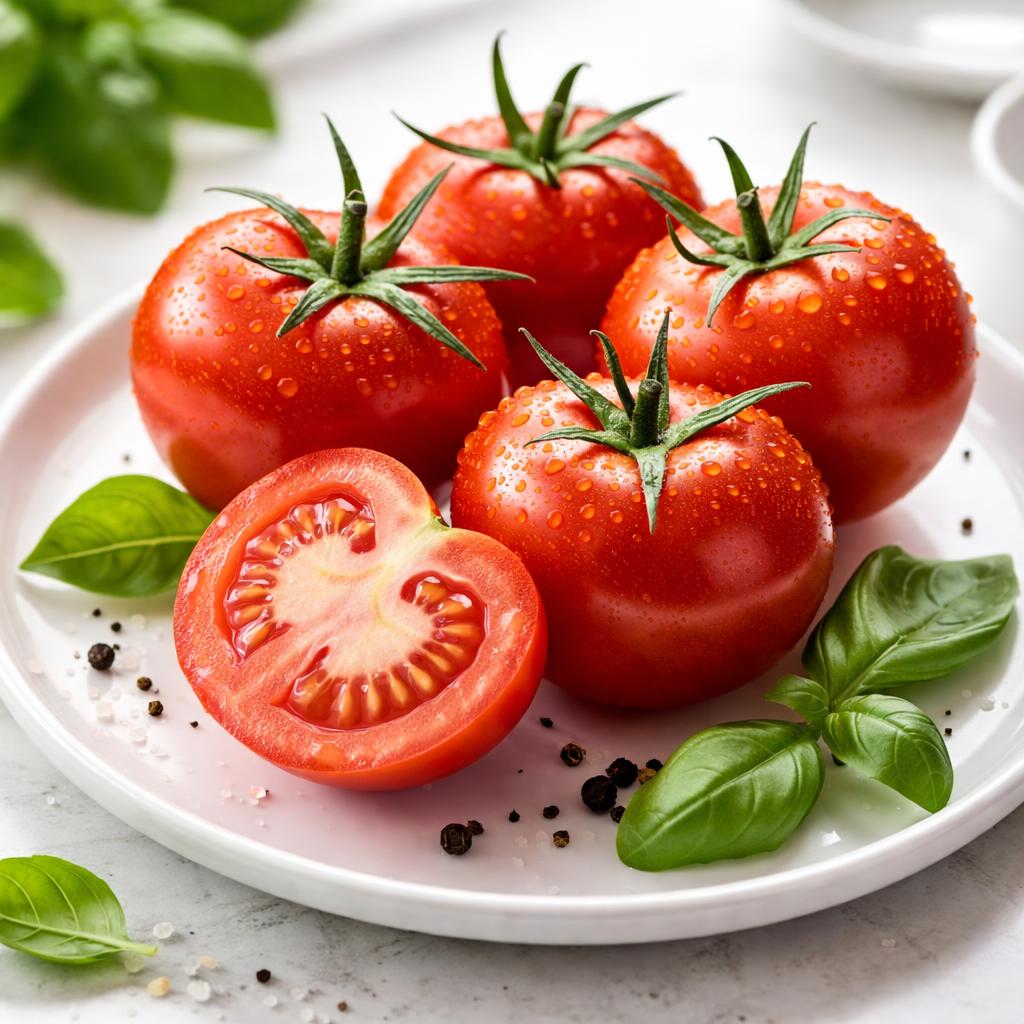
Tomato
Beer
🎯 Quick Verdict
Tomatoes are a nutrient-dense, high-fiber, low-calorie food, while beer is a calorie-rich beverage with minimal nutrients. Tomatoes are better suited for healthy diets, offering vitamins and antioxidants, while beer is primarily a social drink and energy source through its carbohydrate content.

Smart Nutrition Tracking with SnapCalorie

📊 Nutritional Comparison
Macronutrients
| Nutrient | Food 1 | Food 2 | Winner |
|---|---|---|---|
| Calories | 18 | 150 | ✓ |
| Protein | 0.9g | 1.6g | ✓ |
| Carbs | 3.9g | 13.6g | ✓ |
| Fat | 0.2g | 0g | − |
| Fiber | 1.2g | 0g | ✓ |
Vitamins & Minerals
| Nutrient | Food 1 | Food 2 | Winner |
|---|---|---|---|
| Vitamin C | 13.7mg | 0mg | ✓ |
| Vitamin A | 833 IU | 0 IU | ✓ |
| Potassium | 237mg | 89mg | ✓ |
| B-vitamins | Minimal amounts | Moderate amounts (B6, B12) | ✓ |
🏆 Category Winners
Protein
Beer contains slightly more protein.
Fiber
Tomatoes provide 1.2g of fiber, while beer contains none.
Calories
Tomatoes have only 18 calories per 100g compared to beer's 150.
Vitamins
Tomatoes are rich in vitamins A, C, and potassium, while beer only supplies moderate B-vitamins.
🥗 Diet Compatibility
Keto
Food 1: Compatible
Food 2: Not Compatible
Tomatoes are low-carb and high in fiber, while beer is high in carbohydrates.
Vegan
Food 1: Compatible
Food 2: Compatible
Both are plant-based and suitable for vegans.
Gluten Free
Food 1: Compatible
Food 2: Varies
Tomatoes are naturally gluten-free, but beer typically contains gluten unless labeled otherwise.
Paleo
Food 1: Compatible
Food 2: Not Compatible
Tomatoes align with paleo principles, but beer is a processed beverage and not paleo-approved.
Low Carb
Food 1: Compatible
Food 2: Not Compatible
Tomatoes are low in carbohydrates, making them suitable for low-carb diets, while beer is carb-rich.
💪 Health Benefits Comparison
Food 1 Benefits
- Rich in vitamin C for immune support
- Contains antioxidants like lycopene to promote heart health
- High in potassium to support blood pressure management
- Provides dietary fiber for digestive health
Food 2 Benefits
- Moderate source of B-vitamins (B6, B12) for energy metabolism
- May promote relaxation and stress reduction in moderation
- Contains antioxidants from hops and barley
✅ The Bottom Line
Tomatoes are a clear choice for nutrient density, health benefits, and diet compatibility, while beer is mostly a drink for leisure and social occasions. Select tomatoes for healthy eating or weight loss strategies, and beer for occasional enjoyment in moderation.
Choose Food 1 for: Low-calorie diets, antioxidant intake, heart health
Choose Food 2 for: Occasional alcohol consumption, social settings


