Tomato VS Bagel With Cream Cheese
A detailed nutritional comparison
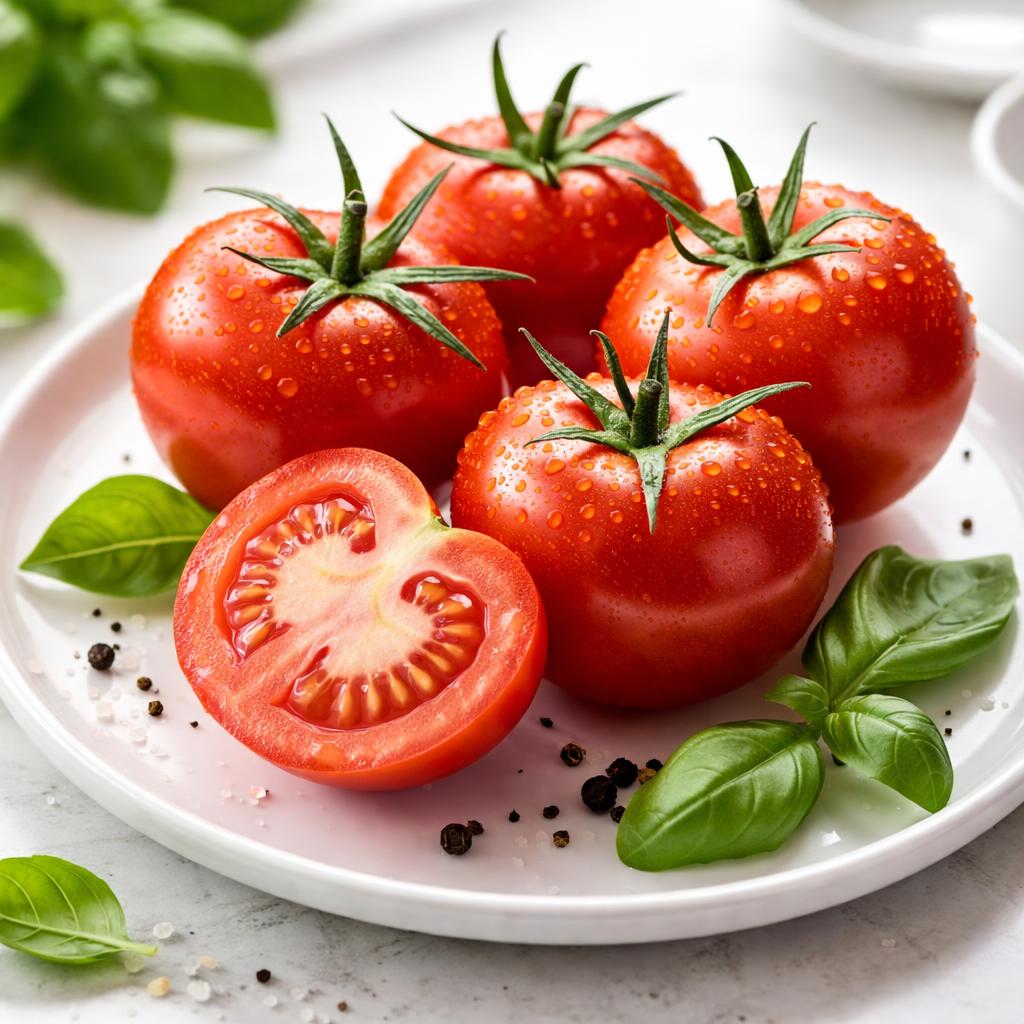
Tomato

Bagel With Cream Cheese
🎯 Quick Verdict
Tomatoes are a nutrient-dense, low-calorie fruit rich in fiber, vitamin C, and antioxidants, making them ideal for weight management and overall health. A bagel with cream cheese is calorie-dense, offering more protein and fats, suitable for energy requirements or indulgent meals, but less optimal for weight loss or low-carb diets.

Smart Nutrition Tracking with SnapCalorie

📊 Nutritional Comparison
Macronutrients
| Nutrient | Food 1 | Food 2 | Winner |
|---|---|---|---|
| Calories | 18 (per medium tomato) | 285 (standard serving, 1 bagel + 1 oz cream cheese) | ✓ |
| Protein | 0.9g | 7g | ✓ |
| Carbs | 3.9g | 33g | ✓ |
| Fat | 0.2g | 9g | ✓ |
| Fiber | 1.2g | 1g | ✓ |
Vitamins & Minerals
| Nutrient | Food 1 | Food 2 | Winner |
|---|---|---|---|
| Vitamin C | 17mg | 0.3mg | ✓ |
| Vitamin A | 1025 IU | 197 IU | ✓ |
| Calcium | 10mg | 60mg | ✓ |
| Iron | 0.5mg | 1.3mg | ✓ |
🏆 Category Winners
Protein
Bagel with cream cheese provides significantly more protein (7g vs 0.9g).
Fiber
Tomato has slightly more fiber per serving, making it better for digestive health.
Calories
A medium tomato has 94% fewer calories compared to a bagel with cream cheese.
Vitamins
Tomato is richer in vitamin C and vitamin A which support immunity and vision health.
🥗 Diet Compatibility
Keto
Food 1: Compatible
Food 2: Not Compatible
Tomatoes are low-carb, while the bagel has 33g of carbs per serving.
Vegan
Food 1: Compatible
Food 2: Not Compatible
Bagel with cream cheese contains dairy.
Gluten Free
Food 1: Compatible
Food 2: Not Compatible
Bagels contain gluten unless made with an alternative flour.
Paleo
Food 1: Compatible
Food 2: Not Compatible
Tomatoes fit within paleo guidelines, but bagels do not due to processed grains and cream cheese.
Low Carbs
Food 1: Compatible
Food 2: Not Compatible
Tomato is low in carbs (3.9g per serving) compared to the high-carb bagel (33g per serving).
💪 Health Benefits Comparison
Food 1 Benefits
- Rich in vitamin C for immunity and skin health
- Contains antioxidants like lycopene for heart health
- Supports digestion due to fiber content
- Low in calories, ideal for weight management
Food 2 Benefits
- Provides protein for muscle repair and maintenance
- Contains calcium for bone health
- Offers sustained energy due to carb content
- Can be a high-calorie option for bulking or energy needs
✅ The Bottom Line
Tomatoes are the better choice for weight management, nutrient density, and plant-based diets, while bagels with cream cheese excel in providing more protein and making a calorie-dense option for energy demands. Choose tomatoes for light, healthy meals or snacking, and bagels on days requiring more energy intake or post-workout replenishment.
Choose Food 1 for: Weight loss, plant-based diets, antioxidants, low-carb eating
Choose Food 2 for: High-calorie meals, post-workout recovery, quick breakfast or snacks


