Tomato VS Aubergine
A detailed nutritional comparison
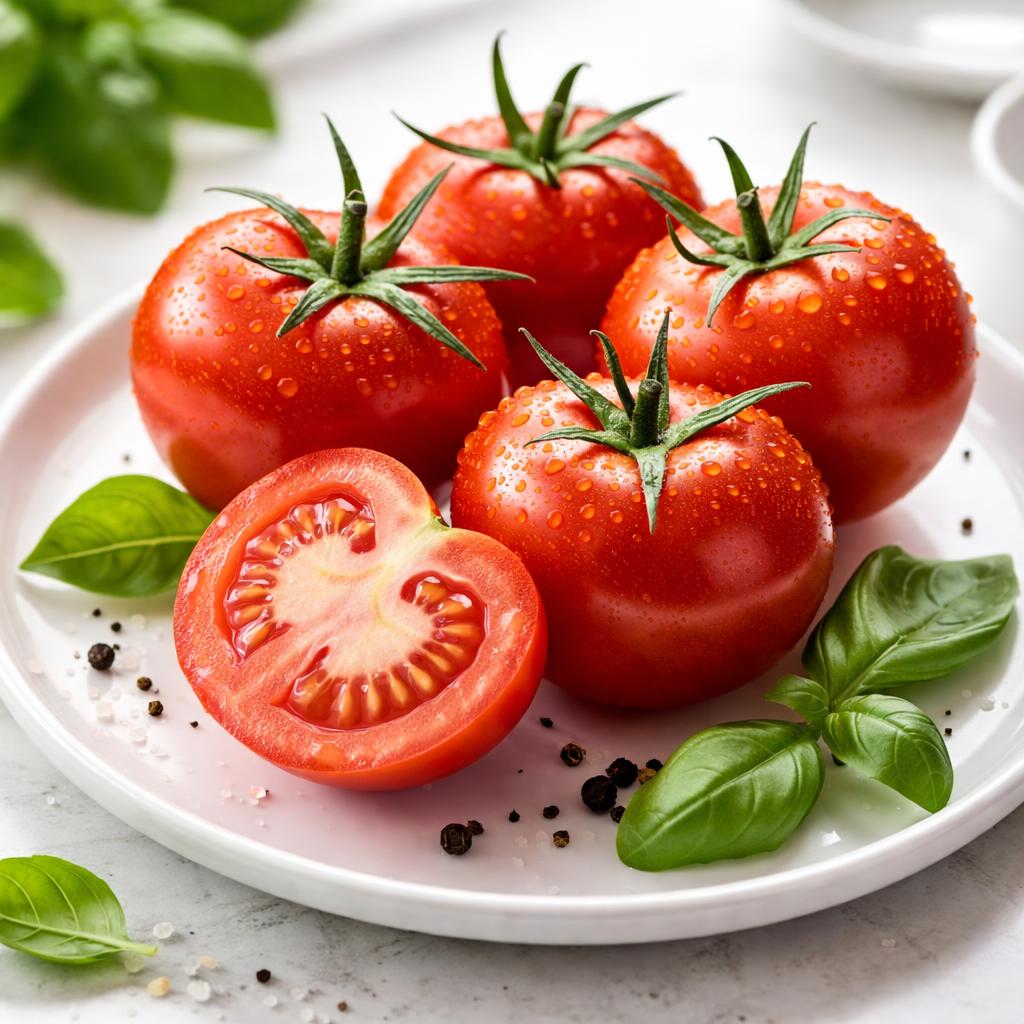
Tomato
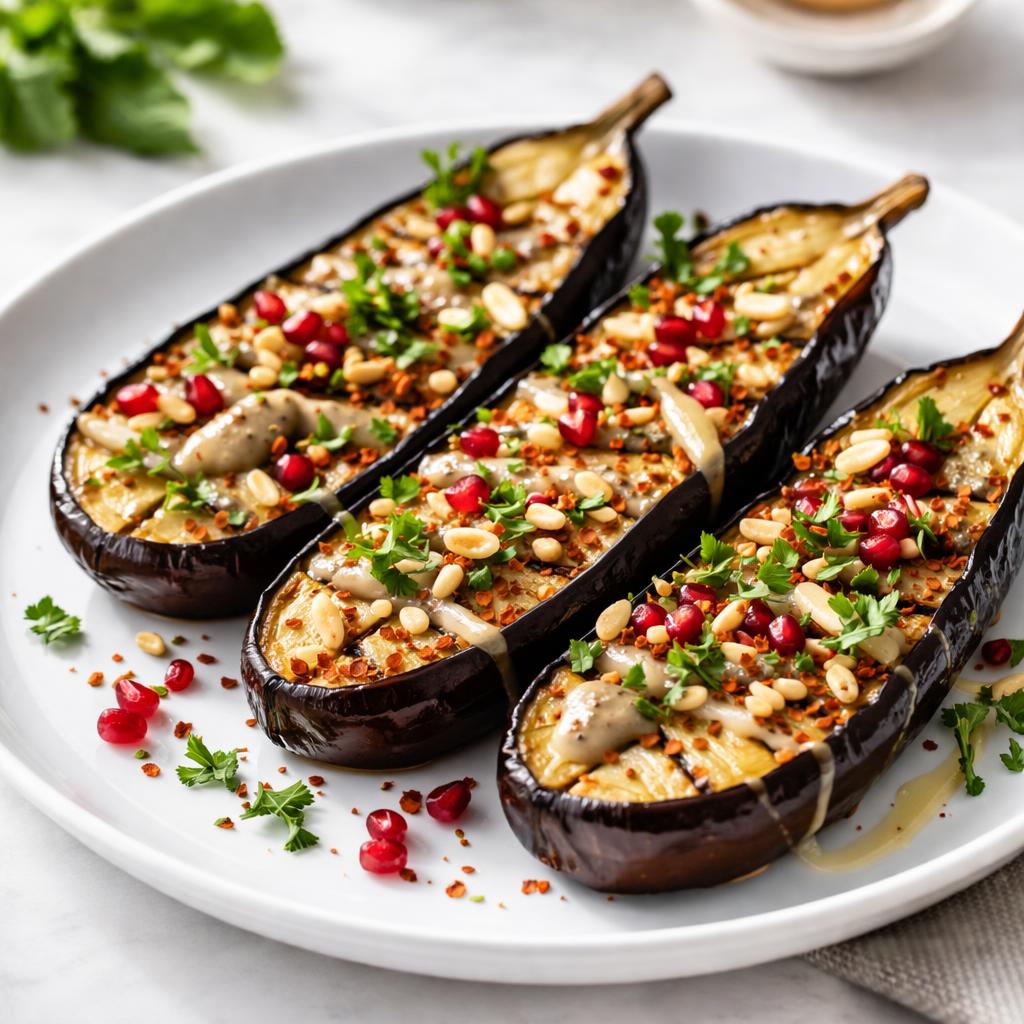
Aubergine
🎯 Quick Verdict
Tomatoes and aubergines differ notably in their nutritional profiles. Tomatoes are higher in vitamin C and potassium, making them ideal for hydration and immune support, while aubergines have more fiber and antioxidants like nasunin. Tomatoes are versatile for fresh salads and sauces, whereas aubergines are better for hearty cooked dishes like stews and casseroles.

Smart Nutrition Tracking with SnapCalorie

📊 Nutritional Comparison
Macronutrients
| Nutrient | Food 1 | Food 2 | Winner |
|---|---|---|---|
| Calories | − | ||
| Protein | − | ||
| Carbs | − | ||
| Fat | − | ||
| Fiber | − |
Vitamins & Minerals
| Nutrient | Food 1 | Food 2 | Winner |
|---|---|---|---|
| Vitamin C | − | ||
| Potassium | − | ||
| Iron | − |
🏆 Category Winners
Protein
Both foods contain similar protein levels, with less than 1g per 100g.
Fiber
Aubergine provides more than double the fiber of tomatoes, ideal for digestion.
Calories
Both foods are low in calories, suitable for weight management.
Vitamins
Tomatoes are significantly higher in vitamin C and potassium compared to aubergines.
🥗 Diet Compatibility
Keto
Food 1: Unknown
Food 2: Unknown
Tomatoes have higher carbs (~3.9g). Aubergines are lower-carb and fit keto diets.
Vegan
Food 1: Unknown
Food 2: Unknown
Both are plant-based, making them suitable for vegan diets.
Gluten Free
Food 1: Unknown
Food 2: Unknown
Neither contains gluten, suitable for gluten-free diets.
Paleo
Food 1: Unknown
Food 2: Unknown
Both are whole, unprocessed foods, fitting paleo standards.
Low-Carb
Food 1: Unknown
Food 2: Unknown
Aubergine is lower in carbs (5.7g) compared to tomato (3.9g).
💪 Health Benefits Comparison
Food 1 Benefits
Food 2 Benefits
✅ The Bottom Line
Choose tomatoes for a refreshing, low-calorie boost rich in immunity-enhancing vitamin C and skin-friendly antioxidants. Aubergines are better for fiber and antioxidant intake, especially in cooked dishes. Both are versatile and can complement healthy diets depending on your needs.


