Tomato VS Arugula Salad
A detailed nutritional comparison
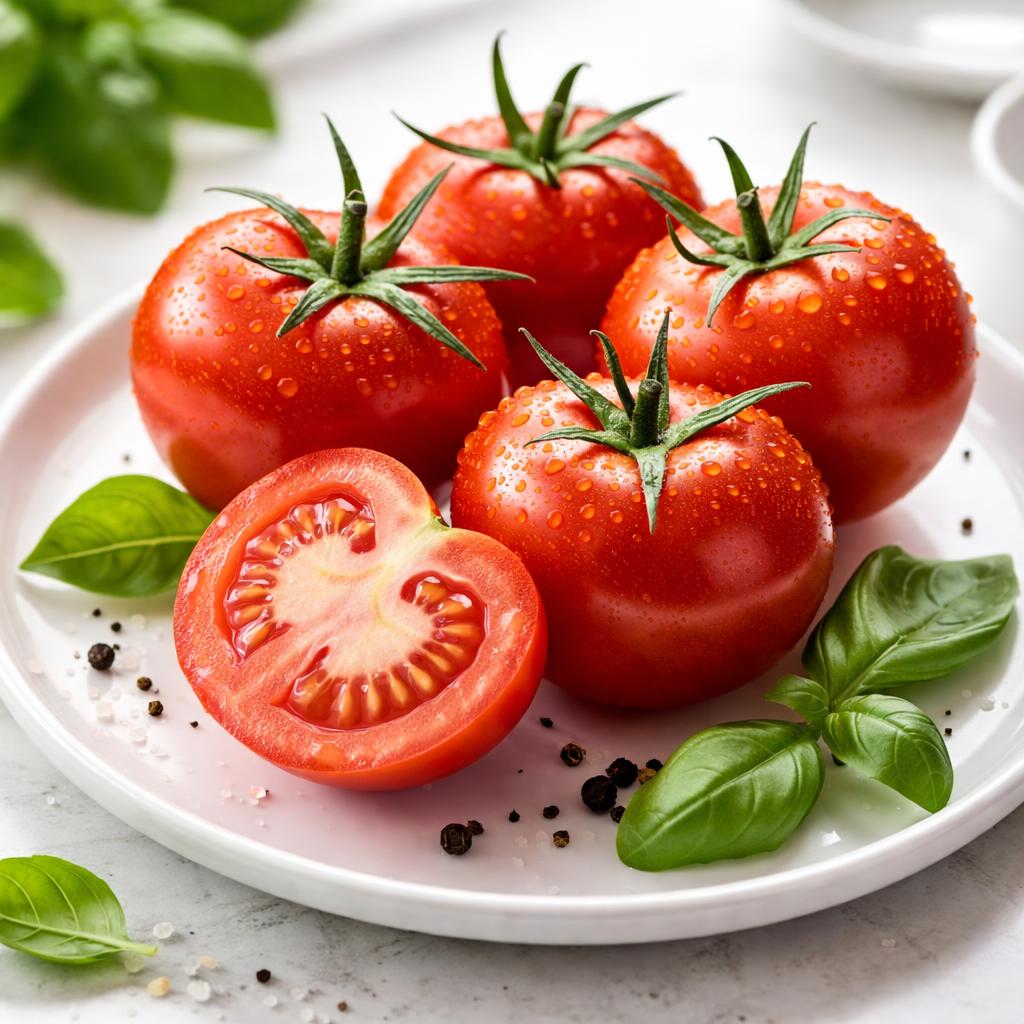
Tomato
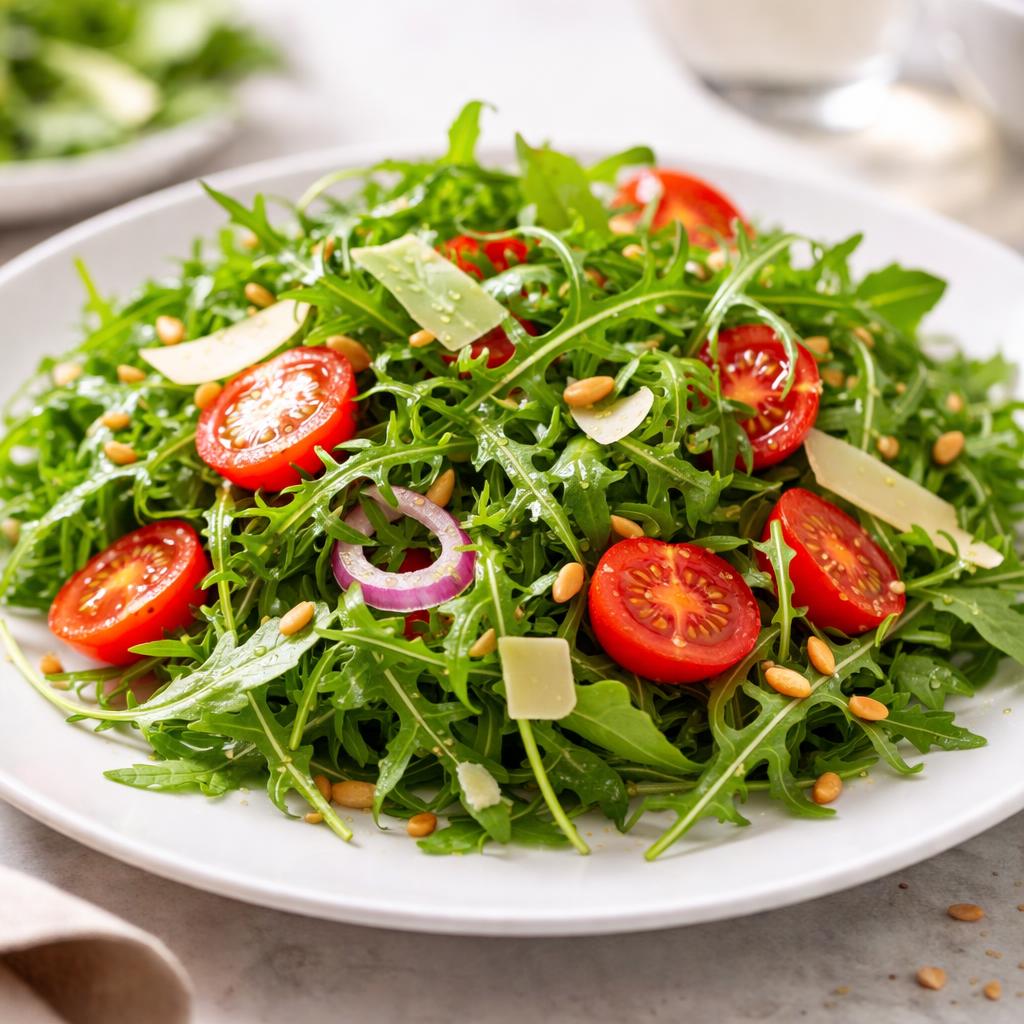
Arugula Salad
🎯 Quick Verdict
Tomatoes and arugula salad offer distinct health benefits. Tomatoes are a great source of vitamin C and antioxidants, while arugula is high in protein and fiber for greens. Both are low-calorie and suitable for most diets, making them excellent additions to meals based on your needs—tomatoes for robust flavor and nutrients, and arugula salad for texture and fiber.

Smart Nutrition Tracking with SnapCalorie

📊 Nutritional Comparison
Macronutrients
| Nutrient | Food 1 | Food 2 | Winner |
|---|---|---|---|
| Calories | 18 calories (1 medium tomato) | 20 calories (1 cup arugula) | − |
| Protein | 0.9g | 2.6g | ✓ |
| Carbs | 3.9g | 3.7g | ✓ |
| Fat | 0.2g | 0.7g | ✓ |
| Fiber | 1.2g | 1.6g | ✓ |
Vitamins & Minerals
| Nutrient | Food 1 | Food 2 | Winner |
|---|---|---|---|
| Vitamin C | 14mg | 4mg | ✓ |
| Vitamin K | 9.7mcg | 21.3mcg | ✓ |
| Iron | 0.3mg | 0.6mg | ✓ |
| Calcium | 10mg | 32mg | ✓ |
🏆 Category Winners
Protein
Arugula offers nearly three times more protein than tomatoes.
Fiber
Arugula has a higher fiber content, aiding digestion.
Calories
Both foods are very low in calories, ideal for weight management.
Vitamins
Tomatoes excel in vitamin C, while arugula provides superior vitamin K and calcium.
🥗 Diet Compatibility
Keto
Food 1: Compatible
Food 2: Compatible
Both are low-carb and suitable for a keto diet.
Vegan
Food 1: Compatible
Food 2: Compatible
Both are plant-based and fit vegan diets.
Gluten Free
Food 1: Compatible
Food 2: Compatible
Neither contains gluten.
Paleo
Food 1: Compatible
Food 2: Compatible
Both align with whole food principles of the paleo diet.
Low-Carb
Food 1: Compatible
Food 2: Compatible
Each is naturally low in carbohydrates, ideal for carb-conscious diets.
💪 Health Benefits Comparison
Food 1 Benefits
- Rich in vitamin C for immune health and antioxidant effects
- Contains lycopene for heart health and reduced inflammation
- Low-calorie and hydrating, ideal for weight loss
Food 2 Benefits
- High in protein for greens, supporting muscle function
- Good source of vitamin K for bone health and blood clotting
- Provides calcium and iron for strong bones and improved oxygen transport
✅ The Bottom Line
Both foods are nutrient-packed options for a healthy diet. Choose tomatoes for their antioxidant properties and flavor enhancement, especially if you need vitamin C boost. Opt for arugula salad for fiber and protein in a low-calorie green, helping digestion and satiety.
Choose Food 1 for: Flavor enhancement, antioxidant boost, low-calorie meals
Choose Food 2 for: High-fiber, protein boost in low-calorie salads, supporting bone health


