Tomato VS Artichoke
A detailed nutritional comparison
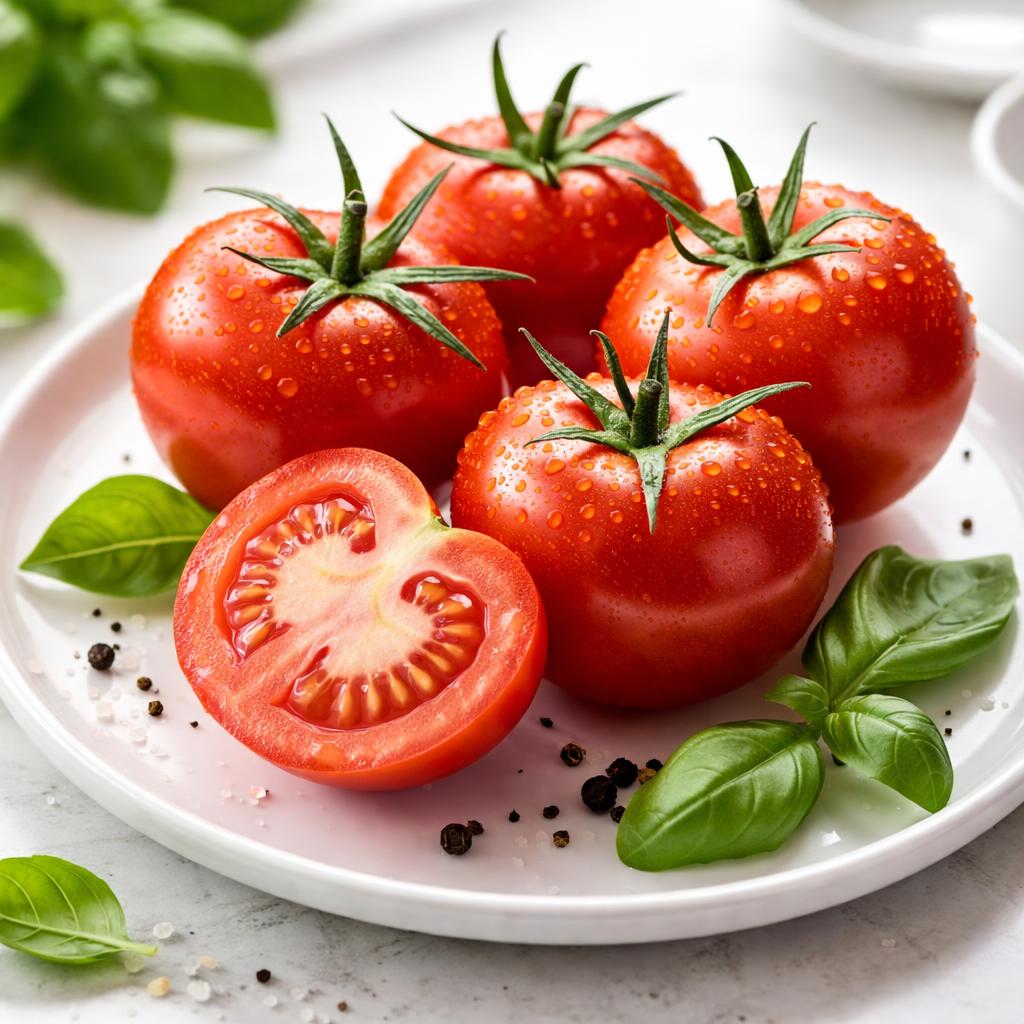
Tomato
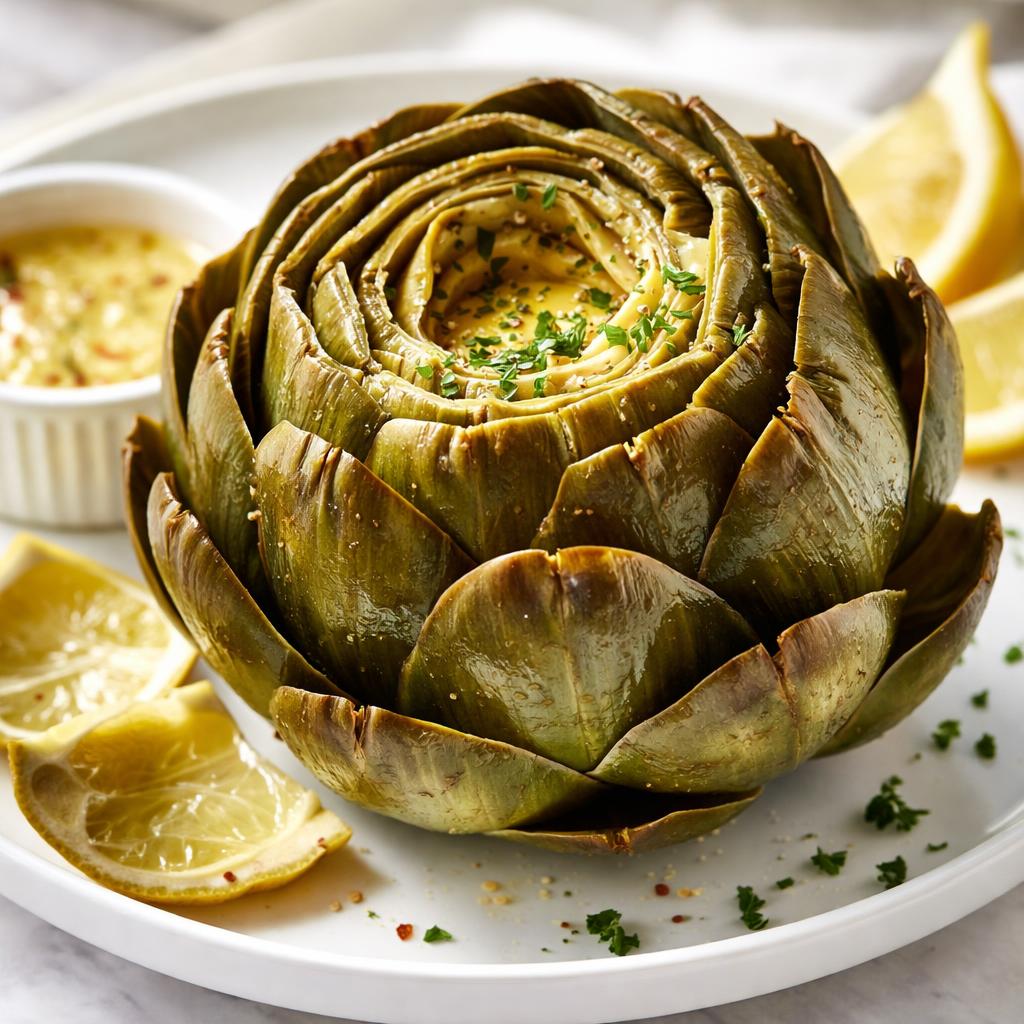
Artichoke
🎯 Quick Verdict
Artichokes outperform tomatoes in protein and fiber content, making them highly suitable for nutrient-dense meals and digestive health. Tomatoes, however, are lower-calorie and rich in vitamin C and antioxidants like lycopene, ideal for improving overall health and immune support. Both foods are versatile and vegan-friendly, but the artichoke shines for satiety and fiber-rich diets.

Smart Nutrition Tracking with SnapCalorie

📊 Nutritional Comparison
Macronutrients
| Nutrient | Food 1 | Food 2 | Winner |
|---|---|---|---|
| Calories | 22 per 100g | 47 per 100g | ✓ |
| Protein | 0.9g per 100g | 3.3g per 100g | ✓ |
| Carbs | 4.8g per 100g | 10.5g per 100g | ✓ |
| Fat | 0.2g per 100g | 0.2g per 100g | − |
| Fiber | 1.5g per 100g | 5.4g per 100g | ✓ |
Vitamins & Minerals
| Nutrient | Food 1 | Food 2 | Winner |
|---|---|---|---|
| Vitamin C | 13.7mg per 100g | 11.7mg per 100g | ✓ |
| Vitamin K | 7.9mcg per 100g | 14.4mcg per 100g | ✓ |
| Folate (Vitamin B9) | 15mcg per 100g | 68mcg per 100g | ✓ |
| Potassium | 237mg per 100g | 370mg per 100g | ✓ |
🏆 Category Winners
Protein
Artichoke provides nearly 4xmore protein than tomato per serving.
Fiber
Artichoke delivers over 3.5 times more fiber than tomato.
Calories
Tomato has about half the calories of an artichoke.
Vitamins
Artichoke leads in folate, potassium, and vitamin K, while tomato wins in vitamin C.
🥗 Diet Compatibility
Keto
Food 1: Compatible
Food 2: Compatible
Both are low-fat, nutrient-packed, and low in carbs.
Vegan
Food 1: Compatible
Food 2: Compatible
Both are plant-based foods.
Gluten Free
Food 1: Compatible
Food 2: Compatible
Neither contains any gluten.
Paleo
Food 1: Compatible
Food 2: Compatible
Both fit naturally into a paleo diet.
Low-Carb
Food 1: Compatible
Food 2: Moderately Compatible
Tomato is lower in carbs, while artichoke offers more fiber per carb content.
💪 Health Benefits Comparison
Food 1 Benefits
- Rich in antioxidants like lycopene for heart and skin health
- High in vitamin C to boost immune function
- Low in calories, making it great for weight loss
Food 2 Benefits
- High fiber content promotes digestive health and satiety
- Good source of folate and potassium for brain and heart health
- Rich in vitamin K for bone health and proper blood clotting
✅ The Bottom Line
Tomato is best for low-calorie vegan meals, antioxidant benefits, and immune support, while artichoke is ideal for high-fiber, high-protein diets and nutrient density. Both are excellent choices depending on dietary goals.
Choose Food 1 for: Weight loss, light salads, immune health
Choose Food 2 for: Fiber-rich diets, energy-boosting meals, heart health


