Tomato and Artichoke Salad
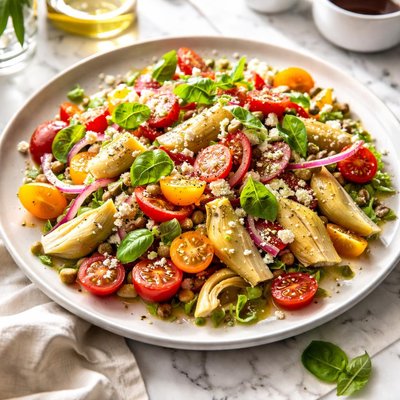
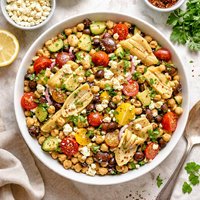
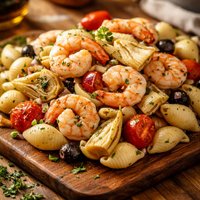
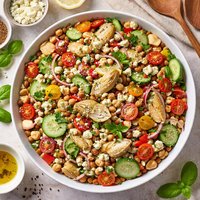
Bursting with vibrant Mediterranean flavors, this Tomato and Artichoke Salad is a quick and healthy side dish that elevates any meal. Juicy cherry tomatoes, marinated artichoke hearts, and crisp red onion are tossed with fragrant fresh basil and parsley, then drizzled in a tangy red wine vinegar and olive oil dressing infused with garlic. Perfect for warm-weather dining, this no-cook salad comes together in just 15 minutes and pairs beautifully with grilled meats, pasta dishes, or crusty bread. A refreshing and nutritious choice, this salad is as visually stunning as it is delicious, making it the perfect addition to both casual meals and elegant dinner parties.

Smart Nutrition Tracking with SnapCalorie

Recipe Information
Ingredients
- 2 cups cherry tomatoes
- 1 cup marinated artichoke hearts
- 0.5 medium red onion
- 0.25 cup fresh basil leaves
- 0.25 cup fresh parsley
- 2 tablespoons extra virgin olive oil
- 1 tablespoon red wine vinegar
- 1 clove garlic
- 0.5 teaspoon kosher salt
- 0.25 teaspoon black pepper
Instructions
Wash and pat dry the cherry tomatoes, then slice them in half for a bite-sized portion.
Drain and roughly chop the marinated artichoke hearts into smaller pieces.
Peel and thinly slice the red onion into half-moons.
Rinse the fresh basil leaves and parsley, then chop them finely.
In a small mixing bowl, whisk together the olive oil, red wine vinegar, minced garlic, kosher salt, and black pepper to make the dressing.
In a large salad bowl, combine the cherry tomatoes, chopped artichoke hearts, sliced red onion, basil, and parsley.
Pour the dressing over the salad and gently toss all the ingredients to coat them evenly in the dressing.
Taste the salad and adjust the seasoning with additional salt or pepper, if needed.
Serve immediately or let the salad chill in the refrigerator for 15-20 minutes to enhance the flavors before serving.
Nutrition Facts
Calories |
153 | ||
|---|---|---|---|
% Daily Value* |
|||
| Total Fat | 11.5 g | 15% | |
| Saturated Fat | 1.5 g | 7% | |
| Polyunsaturated Fat | 0.0 g | ||
| Cholesterol | 0 mg | 0% | |
| Sodium | 381 mg | 17% | |
| Total Carbohydrate | 10.8 g | 4% | |
| Dietary Fiber | 4.5 g | 16% | |
| Total Sugars | 3.2 g | ||
| Protein | 2.3 g | 5% | |
| Vitamin D | 0.0 mcg | 0% | |
| Calcium | 47 mg | 4% | |
| Iron | 1.5 mg | 8% | |
| Potassium | 381 mg | 8% | |
*The % Daily Value tells you how much a nutrient in a serving of food contributes to a daily diet. 2,000 calories a day is used for general nutrition advice.


