Steamed Rice VS Tuna Pasta
A detailed nutritional comparison
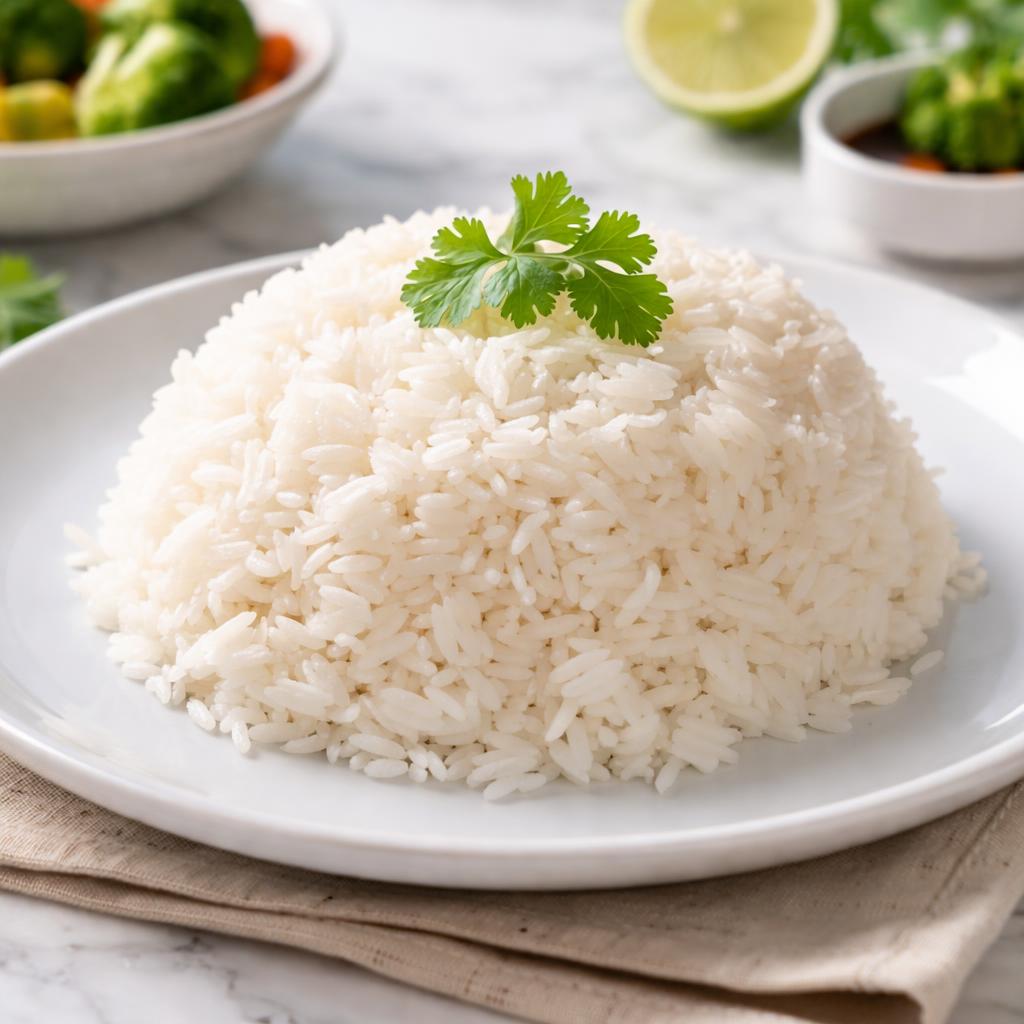
Steamed Rice
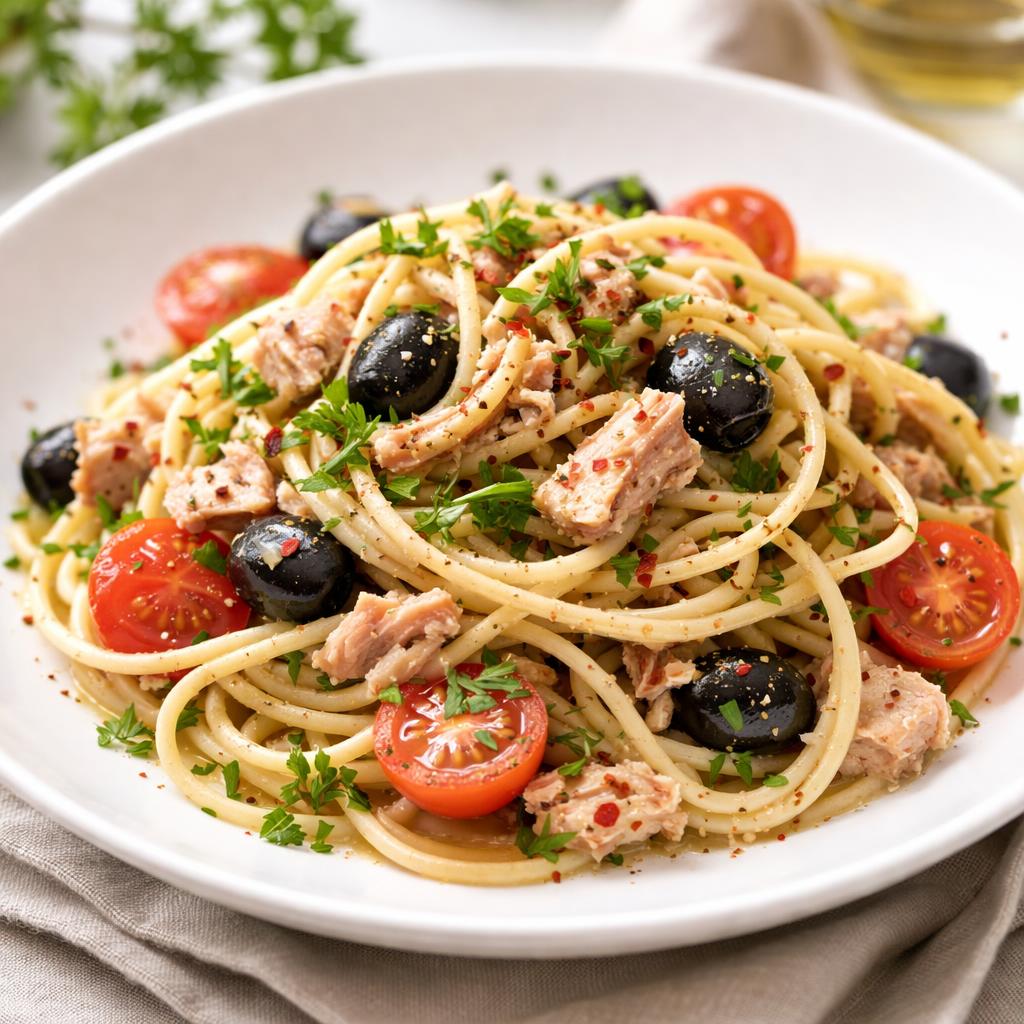
Tuna Pasta
🎯 Quick Verdict
Steamed rice is lower in calories and fat but offers less protein and fiber compared to tuna pasta. Tuna pasta provides a balanced mix of carbs, protein, and fat along with a higher fiber content, making it ideal for a more nutrient-dense meal. Steamed rice is better suited for those seeking a simple, low-calorie carb source, while tuna pasta fits well for those needing sustained energy and protein intake.

Smart Nutrition Tracking with SnapCalorie

📊 Nutritional Comparison
Macronutrients
| Nutrient | Food 1 | Food 2 | Winner |
|---|---|---|---|
| Calories | 130 | 280 | ✓ |
| Protein | 2g | 15g | ✓ |
| Carbs | 28g | 30g | ✓ |
| Fat | 0.3g | 10g | ✓ |
| Fiber | 0.5g | 2g | ✓ |
Vitamins & Minerals
| Nutrient | Food 1 | Food 2 | Winner |
|---|---|---|---|
| Vitamin D | 0mcg | 2mcg | ✓ |
| Calcium | 10mg | 35mg | ✓ |
| Iron | 0.2mg | 1.4mg | ✓ |
🏆 Category Winners
Protein
Tuna pasta has significantly more protein, ideal for muscle building and repair.
Fiber
Tuna pasta contains four times more fiber, beneficial for digestion.
Calories
Steamed rice is lower in calories, suited for weight-conscious diets.
🥗 Diet Compatibility
Keto
Food 1: Not Compatible
Food 2: Not Compatible
Both are high-carb foods.
Vegan
Food 1: Compatible
Food 2: Not Compatible
Steamed rice is plant-based; tuna pasta contains fish.
Gluten Free
Food 1: Compatible
Food 2: Not Compatible
Steamed rice is naturally gluten-free, while pasta usually contains gluten.
Paleo
Food 1: Not Compatible
Food 2: Not Compatible
Neither fits paleo guidelines due to grains and processed ingredients.
Low-Carb
Food 1: Not Compatible
Food 2: Not Compatible
Both foods have a relatively high carbohydrate content.
💪 Health Benefits Comparison
Food 1 Benefits
- Low in calories for weight management
- Easily digestible and gentle on the stomach
- Versatile base for meals
Food 2 Benefits
- High in protein for muscle growth and repair
- Contains healthy omega-3 fats from tuna for heart health
- Rich in vitamins and minerals for overall nutrient support
✅ The Bottom Line
Steamed rice is a simple, low-calorie option ideal for lighter meals, weight management, or as a complement to nutrient-dense dishes. Tuna pasta is a more balanced choice, providing protein, healthy fats, and fiber, perfect for active individuals or more substantial meals. Choose steamed rice for simplicity and calorie control; opt for tuna pasta for a complete nutrient-packed meal.
Choose Food 1 for: Weight loss, light meals, easy digestion
Choose Food 2 for: Muscle recovery, balanced meals, sustained energy


