Steamed Rice VS Rice Pudding
A detailed nutritional comparison
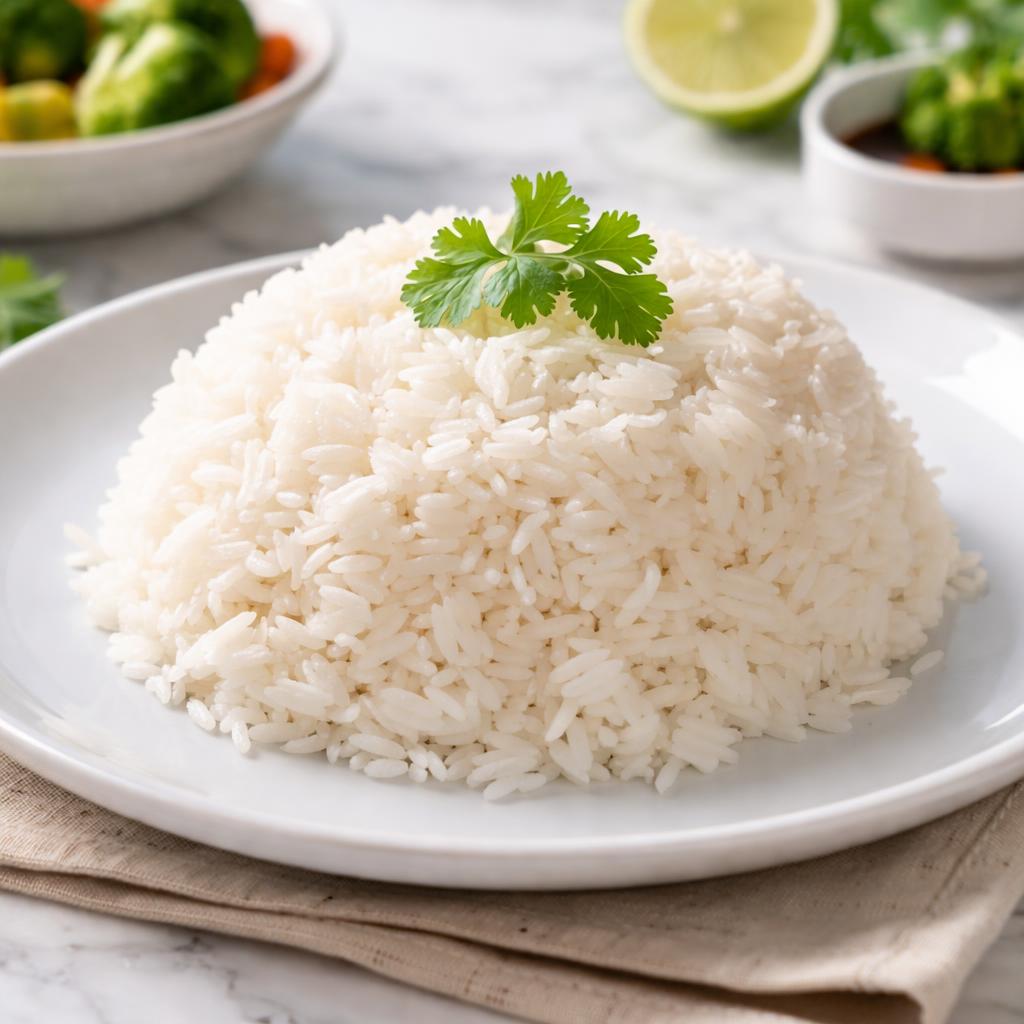
Steamed Rice
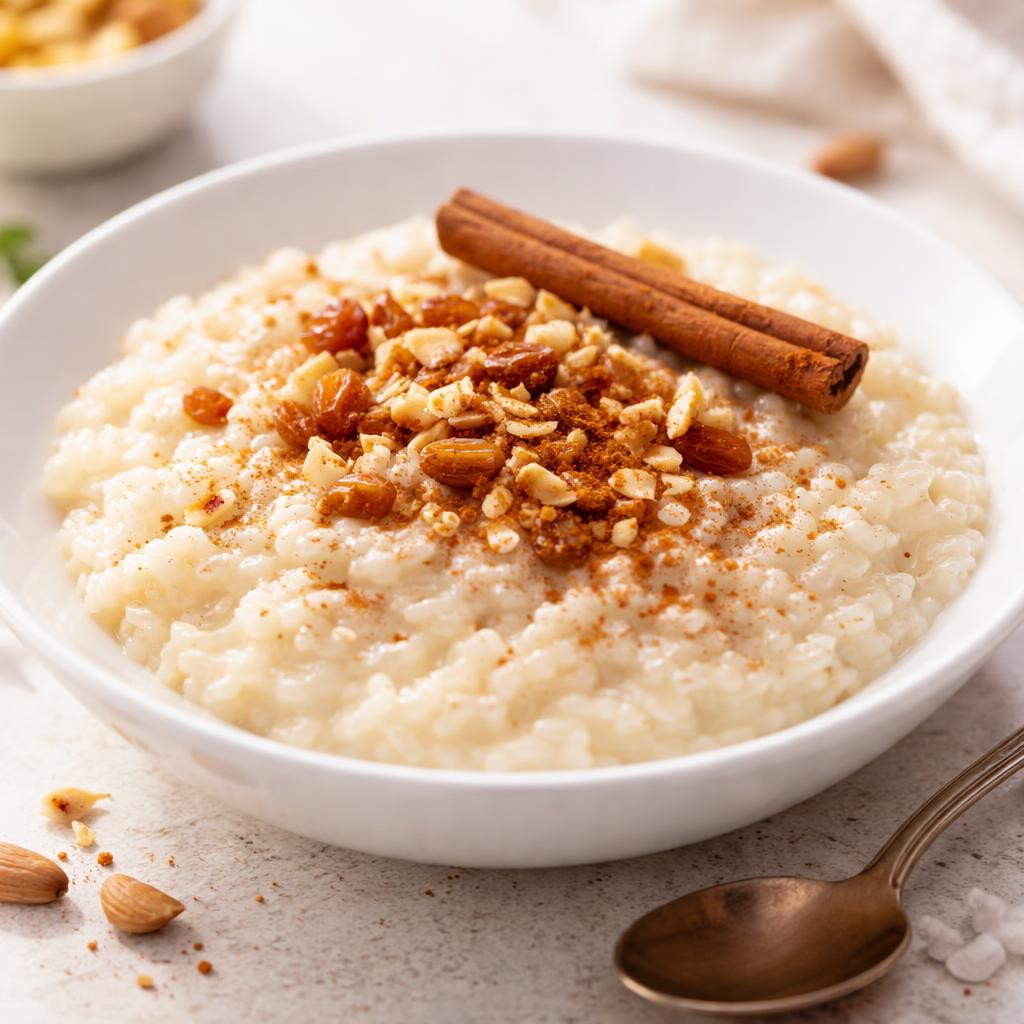
Rice Pudding
🎯 Quick Verdict
Steamed rice and rice pudding differ significantly in nutritional profiles. Steamed rice is lower in calories and fat, making it a lighter option, while rice pudding contains added sugar, fat, and more fiber due to milk and optional toppings. Steamed rice is ideal for simple meals and calorie-controlled diets, while rice pudding is better for a satisfying dessert or energy boost.

Smart Nutrition Tracking with SnapCalorie

📊 Nutritional Comparison
Macronutrients
| Nutrient | Food 1 | Food 2 | Winner |
|---|---|---|---|
| Calories | 130 | 150 | ✓ |
| Protein | 2.7g | 2.7g | − |
| Carbs | 28g | 30g | ✓ |
| Fat | 0.3g | 3.5g | ✓ |
| Fiber | 0.4g | 1g | ✓ |
Vitamins & Minerals
| Nutrient | Food 1 | Food 2 | Winner |
|---|---|---|---|
| Vitamin D | 0mcg | 2mcg | ✓ |
| Calcium | 10mg | 150mg | ✓ |
| Iron | 1mg | 0.5mg | ✓ |
🏆 Category Winners
Protein
Both foods provide the same amount of protein per serving.
Fiber
Rice pudding provides over twice the fiber of steamed rice.
Calories
Steamed rice has 13% fewer calories.
Vitamins
Rice pudding contains vitamin D and significantly more calcium due to dairy.
🥗 Diet Compatibility
Keto
Food 1: Not Compatible
Food 2: Not Compatible
Both foods are high-carb and unsuitable for keto diets.
Vegan
Food 1: Compatible
Food 2: Not Compatible
Steamed rice is plant-based, while rice pudding usually contains milk.
Gluten Free
Food 1: Compatible
Food 2: Compatible
Neither food contains gluten.
Paleo
Food 1: Not Compatible
Food 2: Not Compatible
Both foods are processed grains and not allowed on paleo diets.
Low-Carb
Food 1: Not Compatible
Food 2: Not Compatible
Both foods are relatively high in carbohydrates.
💪 Health Benefits Comparison
Food 1 Benefits
- Low in fat for heart health
- Quick to digest, ideal for sensitive stomachs
- Provides sustained energy due to complex carbohydrates
Food 2 Benefits
- Contains calcium for bone health
- Higher fiber content aids digestion
- Can be fortified with antioxidants and nutrients depending on toppings (e.g., raisins, berries)
✅ The Bottom Line
Choose steamed rice for low-calorie meals or as a simple carbohydrate in balanced meals. Opt for rice pudding as a sweet treat or occasional energy booster, especially when targeting higher calcium intake.
Choose Food 1 for: Weight loss, simple high-energy meals, light digestion
Choose Food 2 for: Dessert, bone health, nutrient-enriched comfort food


