Steamed Rice VS Black Rice
A detailed nutritional comparison
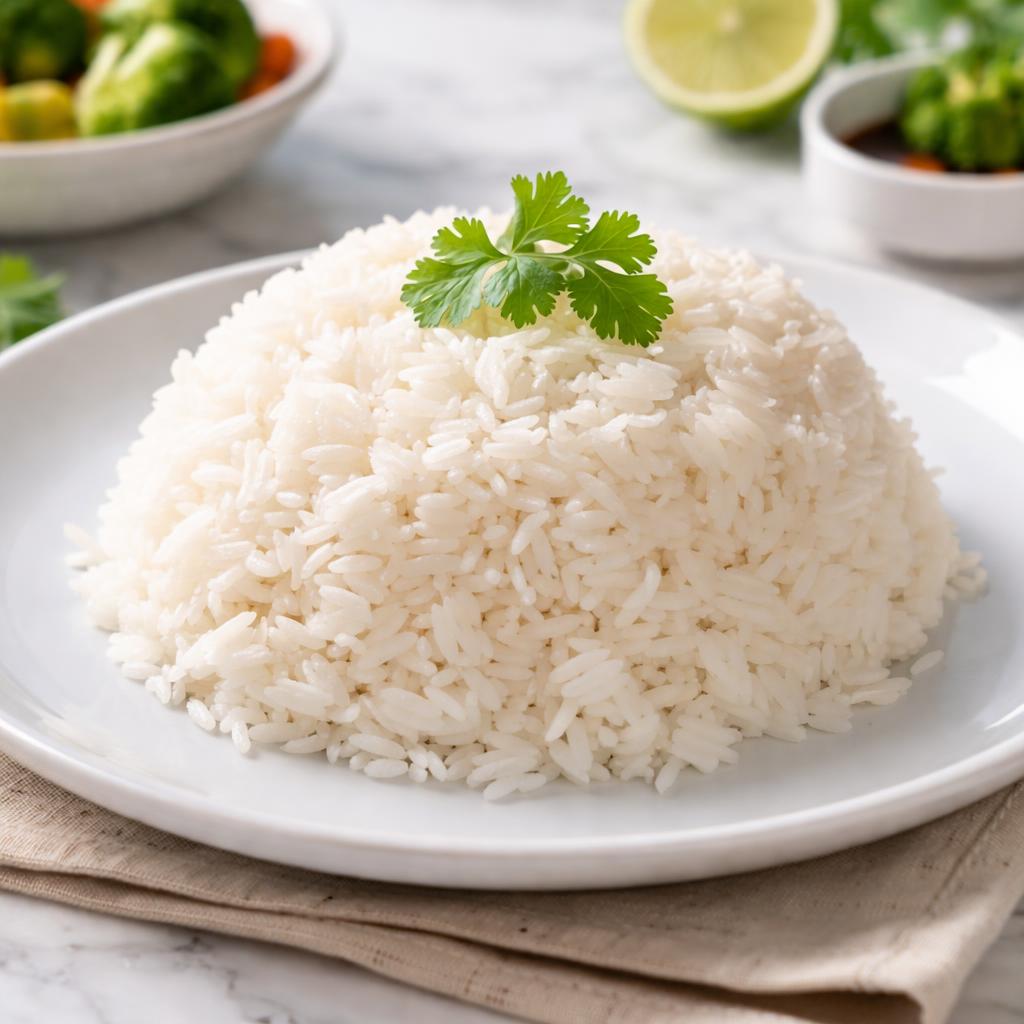
Steamed Rice
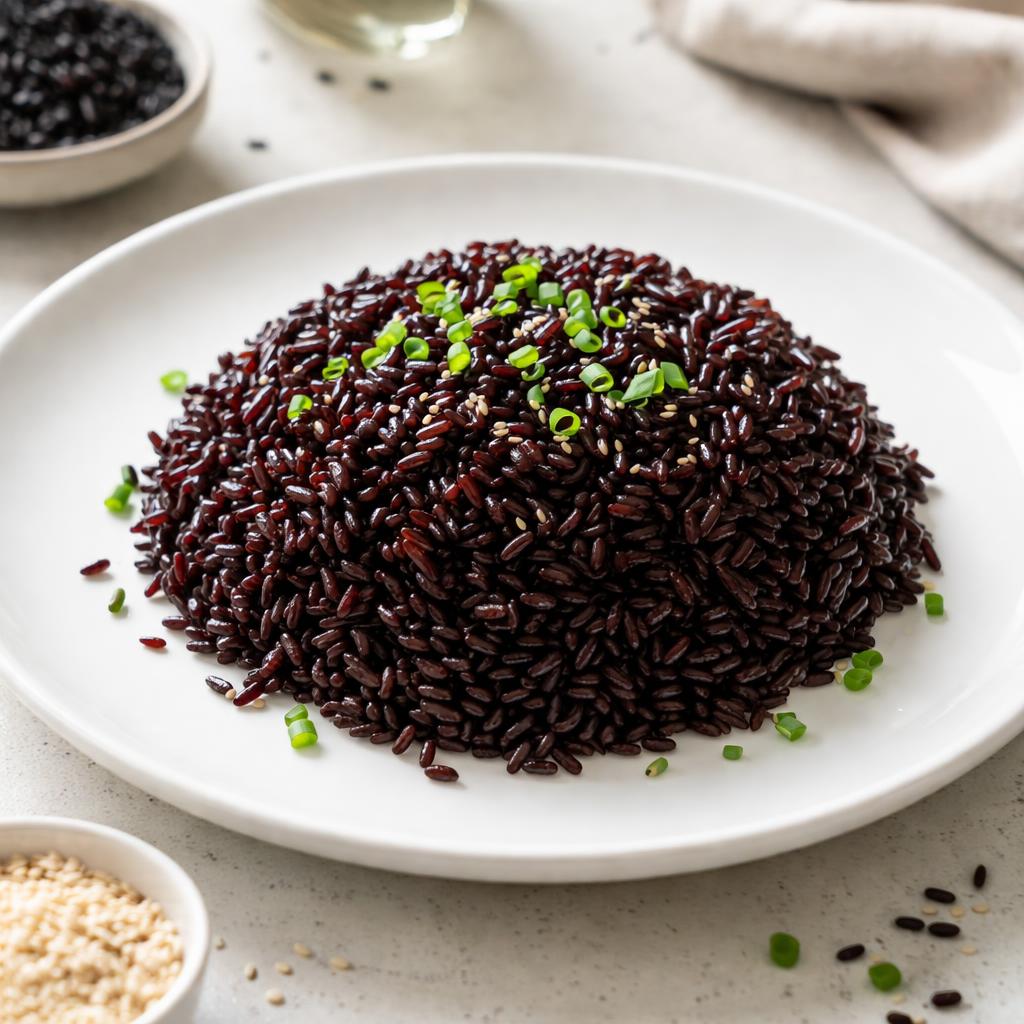
Black Rice
🎯 Quick Verdict
Black rice is nutritionally superior to steamed white rice, offering more protein, fiber, and antioxidants, making it great for heart health and digestion. Steamed white rice is lower in calories and quicker to digest, making it a good option for energy replenishment or lighter meals.

Smart Nutrition Tracking with SnapCalorie

📊 Nutritional Comparison
Macronutrients
| Nutrient | Food 1 | Food 2 | Winner |
|---|---|---|---|
| Calories | 120 per 100g | 160 per 100g | ✓ |
| Protein | 2.7g per 100g | 4.9g per 100g | ✓ |
| Carbs | 26.3g per 100g | 34.5g per 100g | ✓ |
| Fat | 0.2g per 100g | 1.2g per 100g | ✓ |
| Fiber | 0.4g per 100g | 4.9g per 100g | ✓ |
Vitamins & Minerals
| Nutrient | Food 1 | Food 2 | Winner |
|---|---|---|---|
| Vitamin E | Negligible | 0.8mg per 100g | ✓ |
| Iron | 0.1mg per 100g | 1.8mg per 100g | ✓ |
| Magnesium | 12mg per 100g | 100mg per 100g | ✓ |
🏆 Category Winners
Protein
Black rice contains nearly twice the protein of steamed white rice per serving.
Fiber
Black rice offers 12 times more fiber, aiding digestion.
Calories
Steamed white rice is 25% lower in calories per serving.
Vitamins
Black rice contains higher levels of iron, magnesium, and vitamin E.
🥗 Diet Compatibility
Keto
Food 1: Not Compatible
Food 2: Not Compatible
Both are high-carb foods unsuitable for keto diets.
Vegan
Food 1: Compatible
Food 2: Compatible
Both are plant-based and suitable for vegan diets.
Gluten Free
Food 1: Compatible
Food 2: Compatible
Neither contain gluten.
Paleo
Food 1: Compatible
Food 2: Compatible
Both align with paleo guidelines for whole, unprocessed foods.
Low-Carb
Food 1: Not Compatible
Food 2: Not Compatible
Both have high carbohydrate content, not ideal for low-carb diets.
💪 Health Benefits Comparison
Food 1 Benefits
- Quick source of energy for physical activity
- Low in fat for lighter meals
- Easily digestible for sensitive stomachs
Food 2 Benefits
- Rich in antioxidants for cell protection and anti-aging
- High fiber content for digestive health
- Contains significant magnesium for muscle and bone health
- Good source of plant-based protein
✅ The Bottom Line
Choose black rice for its nutrient-dense profile, including more fiber, protein, and antioxidants. Opt for steamed white rice when focusing on lower calories and faster digestion, such as post-workout or light meal scenarios.
Choose Food 1 for: Quick energy, light meals, post-exercise carb replenishment
Choose Food 2 for: Heart health, high-nutrient diets, digestion support


