Sourdough Bread VS Wholewheat Bread
A detailed nutritional comparison

Sourdough Bread
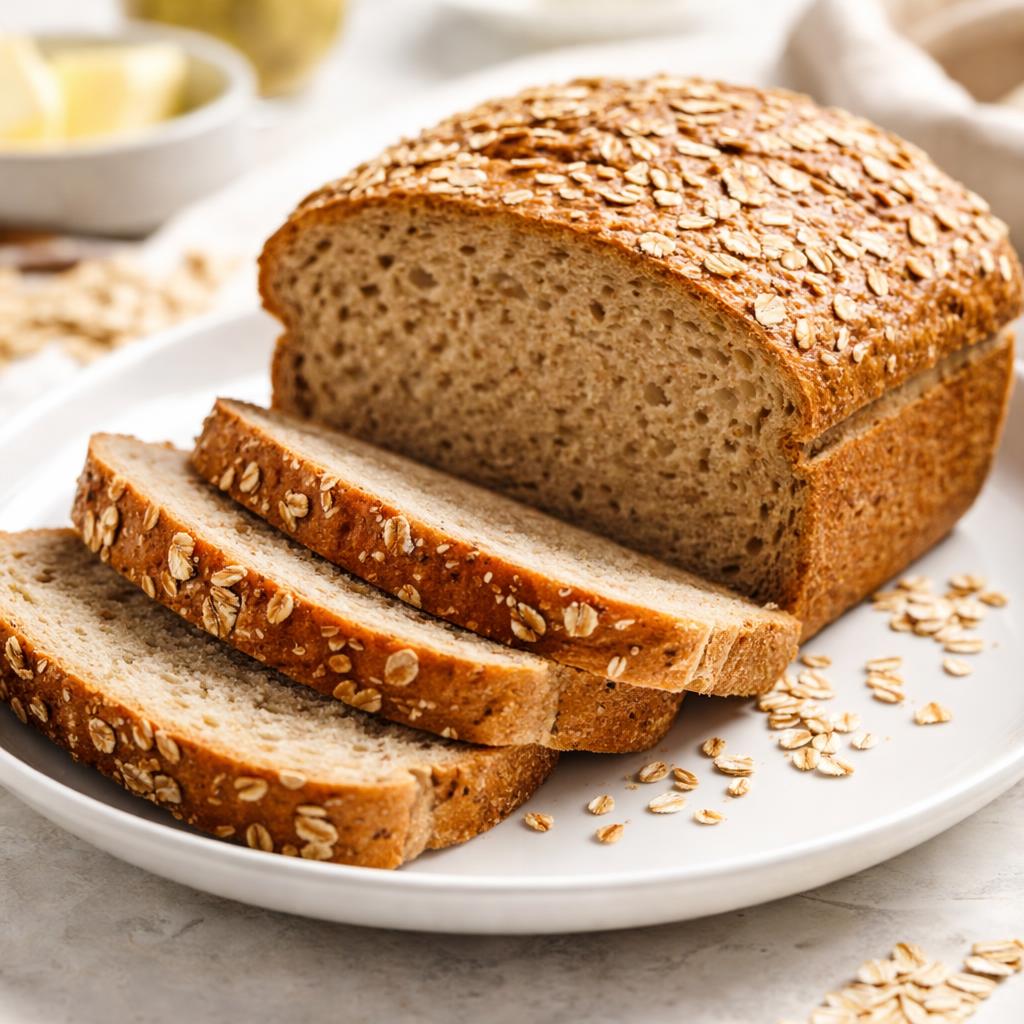
Wholewheat Bread
🎯 Quick Verdict
Wholewheat bread offers higher protein and fiber content compared to sourdough bread, making it more optimal for sustained energy and digestive health. Sourdough bread has slightly better digestibility and a tangy flavor, making it a great choice for gourmet sandwiches or as an artisan option. Both are similar in calories, but wholewheat bread edges ahead nutritionally overall.

Smart Nutrition Tracking with SnapCalorie

📊 Nutritional Comparison
Macronutrients
| Nutrient | Food 1 | Food 2 | Winner |
|---|---|---|---|
| Calories | 120 per slice | 120 per slice | − |
| Protein | 3g per slice | 5g per slice | ✓ |
| Carbs | 22g per slice | 21g per slice | ✓ |
| Fat | 0.5g per slice | 1g per slice | ✓ |
| Fiber | 1g per slice | 3g per slice | ✓ |
Vitamins & Minerals
| Nutrient | Food 1 | Food 2 | Winner |
|---|---|---|---|
| Vitamin B3 (Niacin) | 1.5mg | 3mg | ✓ |
| Iron | 0.5mg | 1.8mg | ✓ |
| Folate | 15mcg | 25mcg | ✓ |
🏆 Category Winners
Protein
Wholewheat bread has 66% more protein compared to sourdough bread.
Fiber
Wholewheat bread contains three times more fiber per slice.
Calories
Both sourdough and wholewheat bread contain 120 calories per slice.
Vitamins
Wholewheat bread provides significantly more iron, B vitamins, and folate.
🥗 Diet Compatibility
Keto
Food 1: Not Compatible
Food 2: Not Compatible
Both are high-carb and unsuitable for keto diets.
Vegan
Food 1: Compatible
Food 2: Compatible
Both breads are plant-based with no animal ingredients.
Gluten Free
Food 1: Not Compatible
Food 2: Not Compatible
Neither bread is gluten-free as both use wheat-based flour.
Paleo
Food 1: Not Compatible
Food 2: Not Compatible
Grains are excluded in paleo diets.
Low-Carb
Food 1: Not Compatible
Food 2: Not Compatible
Both breads contain over 20g of carbs per serving, making them unsuitable for low-carb diets.
💪 Health Benefits Comparison
Food 1 Benefits
- Better digestibility due to fermentation process
- Lower glycemic index compared to traditional bread, reducing blood sugar spikes
- Contains probiotics from fermentation, which may support gut health
Food 2 Benefits
- Higher fiber content promotes digestive health
- Greater protein content supports muscle maintenance
- Rich in essential vitamins, such as iron and folate, for overall nutrition
✅ The Bottom Line
Wholewheat bread is the winner for overall nutrition due to higher protein and fiber content as well as superior vitamin levels, making it a more functional choice for health-conscious individuals. Sourdough bread stands out for its fermentation benefits and artisan flavor, suitable for individuals prioritizing gut health or gourmet preferences.
Choose Food 1 for: Digestive health, gourmet meals, blood sugar control
Choose Food 2 for: High fiber diets, protein intake, overall nutrient density


