Sourdough Bread VS Toasted Bread
A detailed nutritional comparison
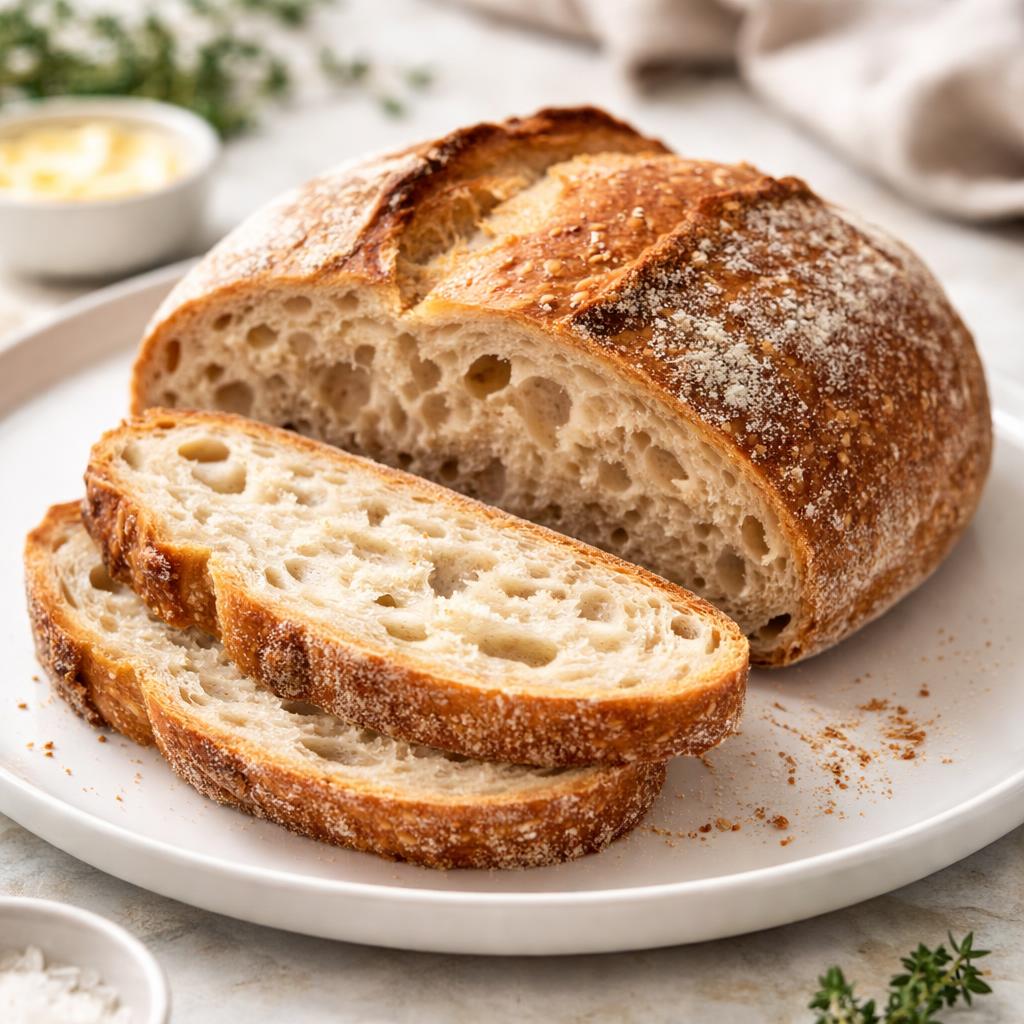
Sourdough Bread
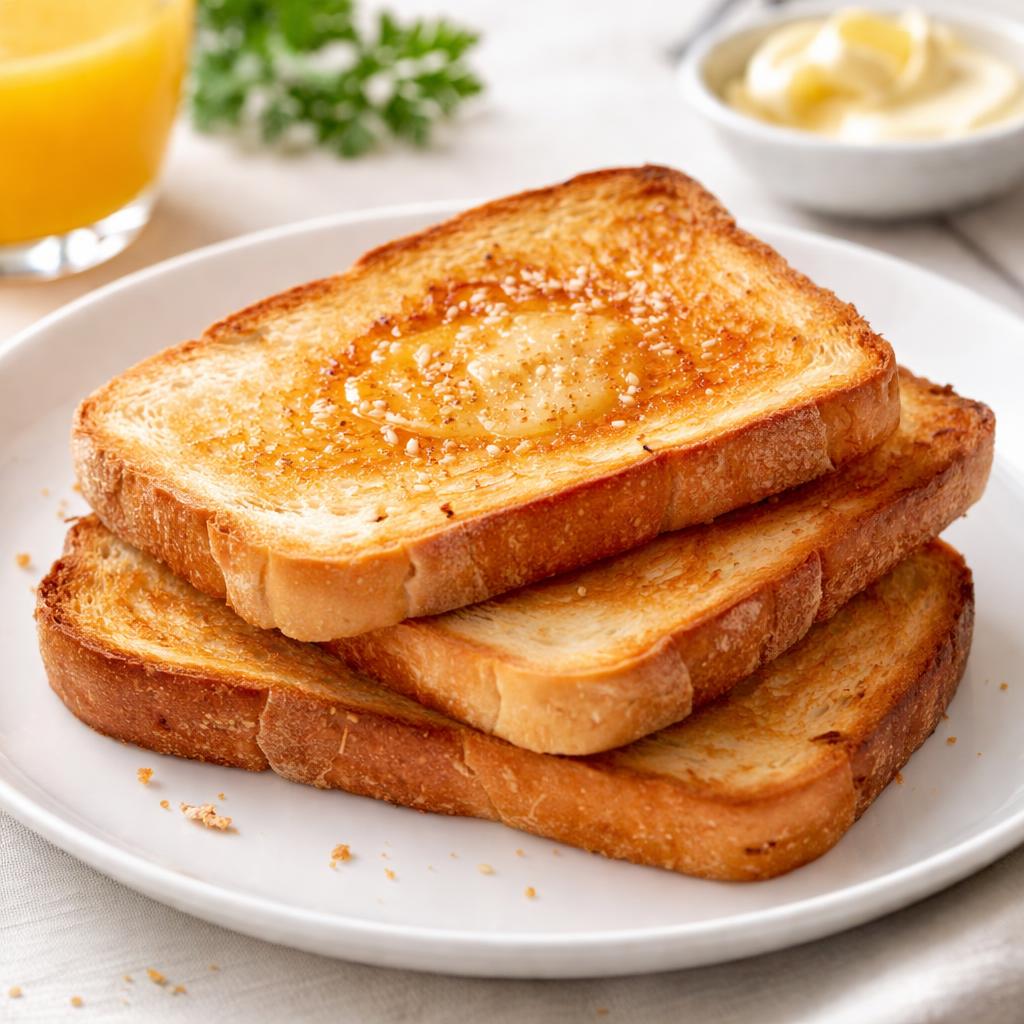
Toasted Bread
🎯 Quick Verdict
Sourdough bread and toasted bread share similarities, but sourdough bread stands out with lower calories, higher fiber, and probiotics due to its fermentation process. Toasted bread has slightly higher fat and carbs, making it more energy-dense. Sourdough is ideal for digestion and weight control, while toast works well for quick energy needs during the day.

Smart Nutrition Tracking with SnapCalorie

📊 Nutritional Comparison
Macronutrients
| Nutrient | Food 1 | Food 2 | Winner |
|---|---|---|---|
| Calories | 120 | 150 | − |
| Protein | 5g | 5g | − |
| Carbs | 24g | 28g | − |
| Fat | 0.8g | 2g | − |
| Fiber | 2g | 1.5g | − |
Vitamins & Minerals
| Nutrient | Food 1 | Food 2 | Winner |
|---|---|---|---|
| Vitamin B1 (Thiamine) | 0.16mg | 0.15mg | − |
| Vitamin K | 6mcg | 5mcg | − |
| Iron | 0.9mg | 0.7mg | − |
🏆 Category Winners
Protein
Both sourdough and toasted bread contain equal protein (5g per serving).
Fiber
Sourdough bread provides slightly more fiber, aiding digestion.
Calories
Sourdough bread contains 20% fewer calories compared to toasted bread.
Vitamins
Sourdough has slightly richer levels of thiamine, vitamin K, and iron.
🥗 Diet Compatibility
Keto
Food 1: Not Compatible
Food 2: Not Compatible
Both breads are high-carb foods.
Vegan
Food 1: Compatible
Food 2: Compatible
Neither contains animal products.
Gluten Free
Food 1: Not Compatible
Food 2: Not Compatible
Both sourdough and toasted bread contain gluten.
Paleo
Food 1: Not Compatible
Food 2: Not Compatible
No bread aligns with paleo due to grain content.
Low-Carb
Food 1: Not Compatible
Food 2: Not Compatible
Both are relatively high in carbohydrates.
💪 Health Benefits Comparison
Food 1 Benefits
- Contains probiotics from fermentation, supporting gut health
- Lower calorie density, aiding weight control
- Decent source of fiber for digestion
Food 2 Benefits
- Energy-dense for quick, sustained energy
- Slightly higher fat content, good for satiety
- Familiar texture and taste, easy to pair with toppings
✅ The Bottom Line
Choose sourdough bread for better digestion, lower calories, and gut health benefits from probiotics. Opt for toasted bread when you need quick energy and fat for satiety during busy days.
Choose Food 1 for: Digestion support, weight management, light snacks
Choose Food 2 for: Quick breakfasts, energy boosts, pairing with spreads


