Sourdough Bread VS Panko Breadcrumbs
A detailed nutritional comparison
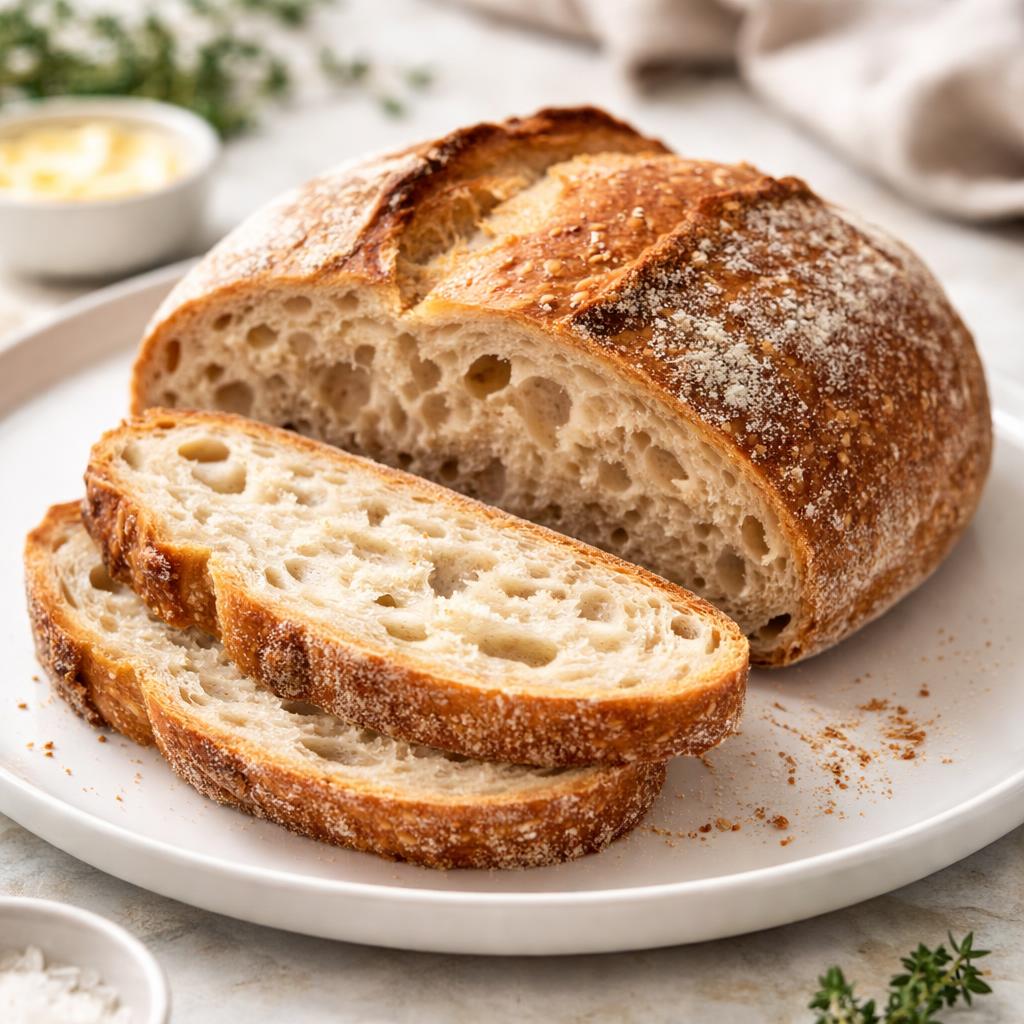
Sourdough Bread
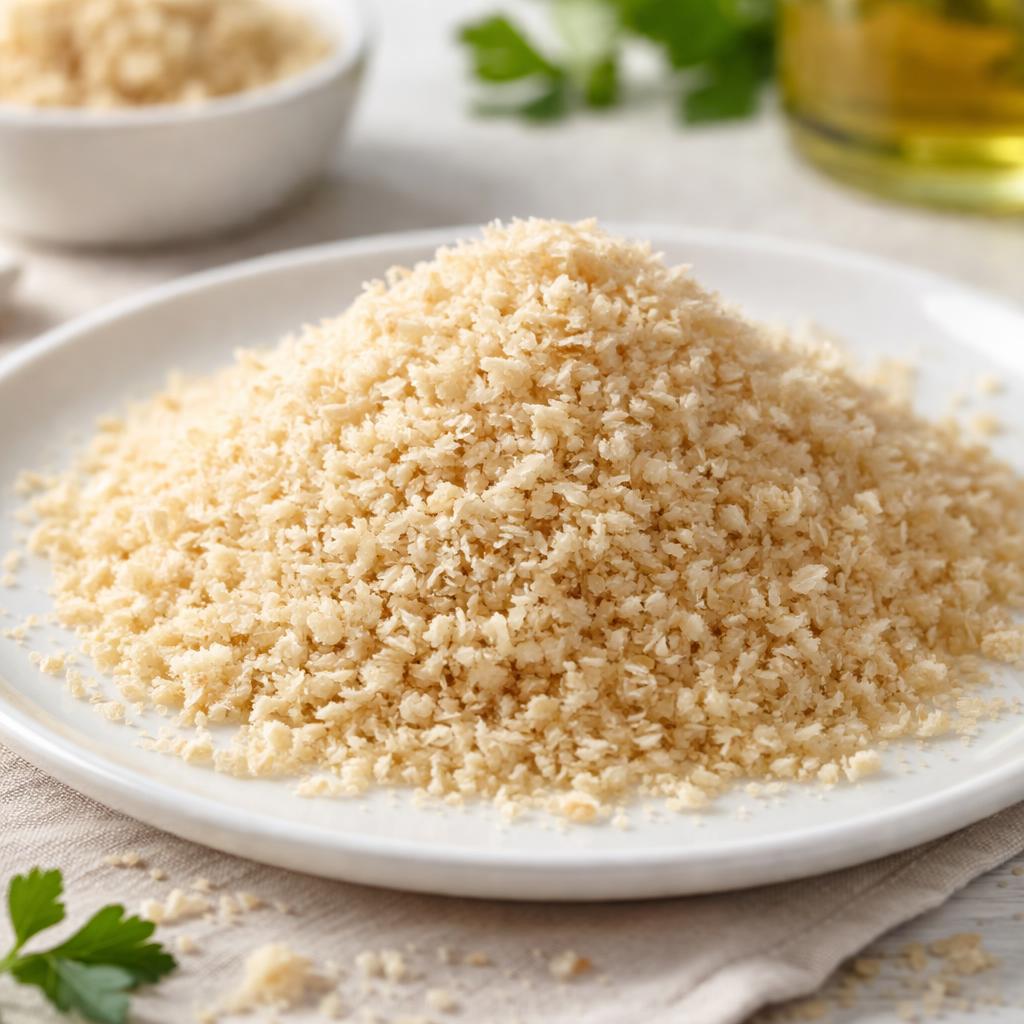
Panko Breadcrumbs
🎯 Quick Verdict
Sourdough bread and panko breadcrumbs differ significantly in nutritional profiles and practical use in meals. Sourdough bread provides more protein, fiber, and fewer calories per serving, making it more nutrient-dense. On the other hand, panko breadcrumbs are lighter and primarily used as a crisp topping or coating rather than as a primary source of nutrition.

Smart Nutrition Tracking with SnapCalorie

📊 Nutritional Comparison
Macronutrients
| Nutrient | Food 1 | Food 2 | Winner |
|---|---|---|---|
| Calories | 160 | 200 | ✓ |
| Protein | 6g | 4g | ✓ |
| Carbs | 32g | 42g | ✓ |
| Fat | 0.5g | 1g | ✓ |
| Fiber | 2g | 0.5g | ✓ |
Vitamins & Minerals
| Nutrient | Food 1 | Food 2 | Winner |
|---|---|---|---|
| Vitamin B1 (Thiamine) | 0.1mg | 0.25mg | ✓ |
| Calcium | 15mg | 7mg | ✓ |
| Iron | 1mg | 0.7mg | ✓ |
🏆 Category Winners
Protein
Sourdough bread contains 50% more protein per serving.
Fiber
Sourdough has 4x the fiber compared to panko breadcrumbs.
Calories
Sourdough bread provides 20% fewer calories per serving.
Vitamins
Both foods provide different vitamin benefits; panko is higher in Vitamin B1, while sourdough supports calcium and iron needs.
🥗 Diet Compatibility
Keto
Food 1: Not Compatible
Food 2: Not Compatible
Both foods are high in carbohydrates and unsuitable for keto diets.
Vegan
Food 1: Compatible
Food 2: Compatible
Neither contains animal-derived ingredients.
Gluten Free
Food 1: Not Compatible
Food 2: Not Compatible
Both foods are made from wheat, containing gluten.
Paleo
Food 1: Not Compatible
Food 2: Not Compatible
Grain products are excluded from paleo diets.
Low Carb
Food 1: Not Compatible
Food 2: Not Compatible
Carbohydrate contents are too high in both options for low-carb diets.
💪 Health Benefits Comparison
Food 1 Benefits
- Contains beneficial probiotics from fermentation
- Good source of protein for sustained energy
- Provides fiber for digestive health
- Iron content supports red blood cell production
Food 2 Benefits
- Low in fat and adds crunch without excess calories
- Contains Vitamin B1 for energy metabolism
- Versatile as a topping or coating for meals
✅ The Bottom Line
When choosing between sourdough bread and panko breadcrumbs, sourdough is superior nutritionally as a standalone food while panko breadcrumbs shine as an ingredient to enhance texture in recipes. Sourdough bread is better for meals requiring substantiality, while panko is ideal for light and crispy coatings or garnishes.
Choose Food 1 for: Sandwiches, meals needing protein and fiber, general use as bread
Choose Food 2 for: Breading for dishes, crisp toppings, adding light texture


