Sourdough Bread VS Homemade Bread
A detailed nutritional comparison
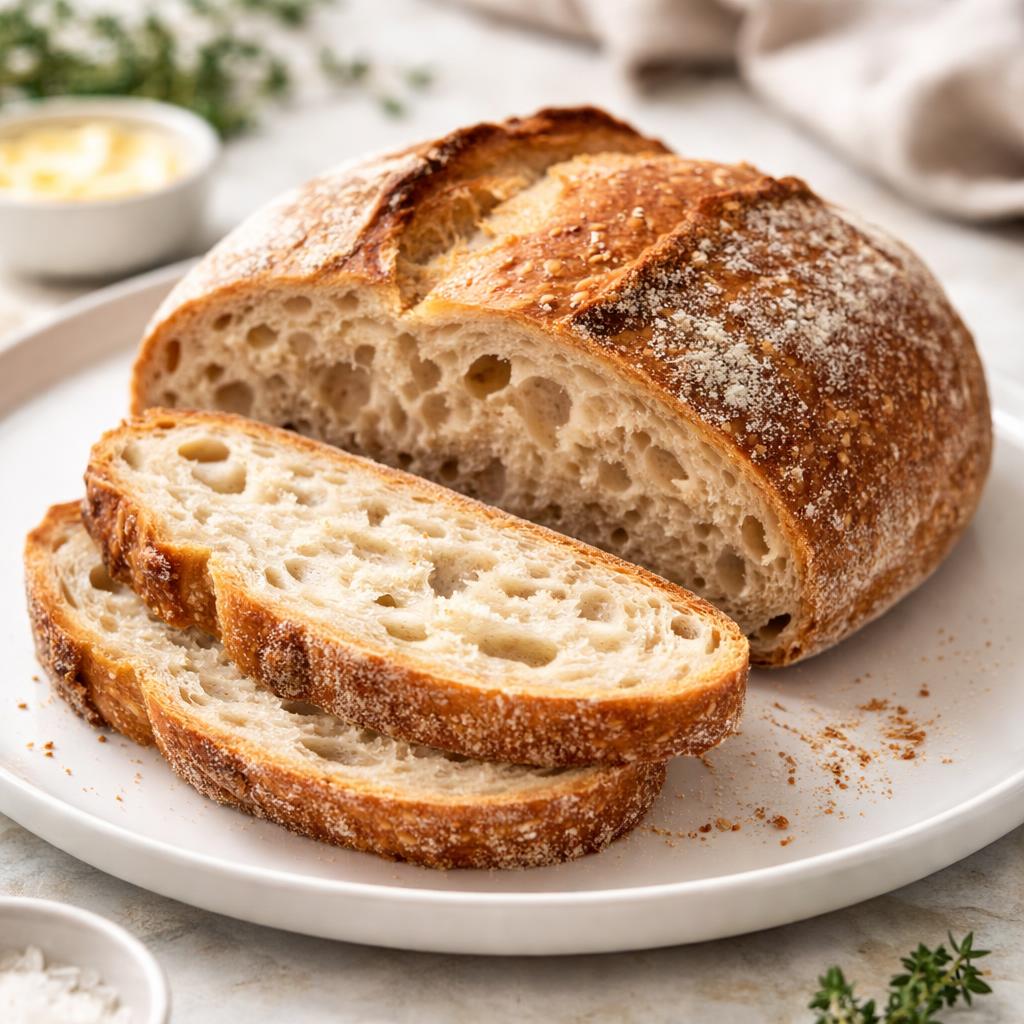
Sourdough Bread
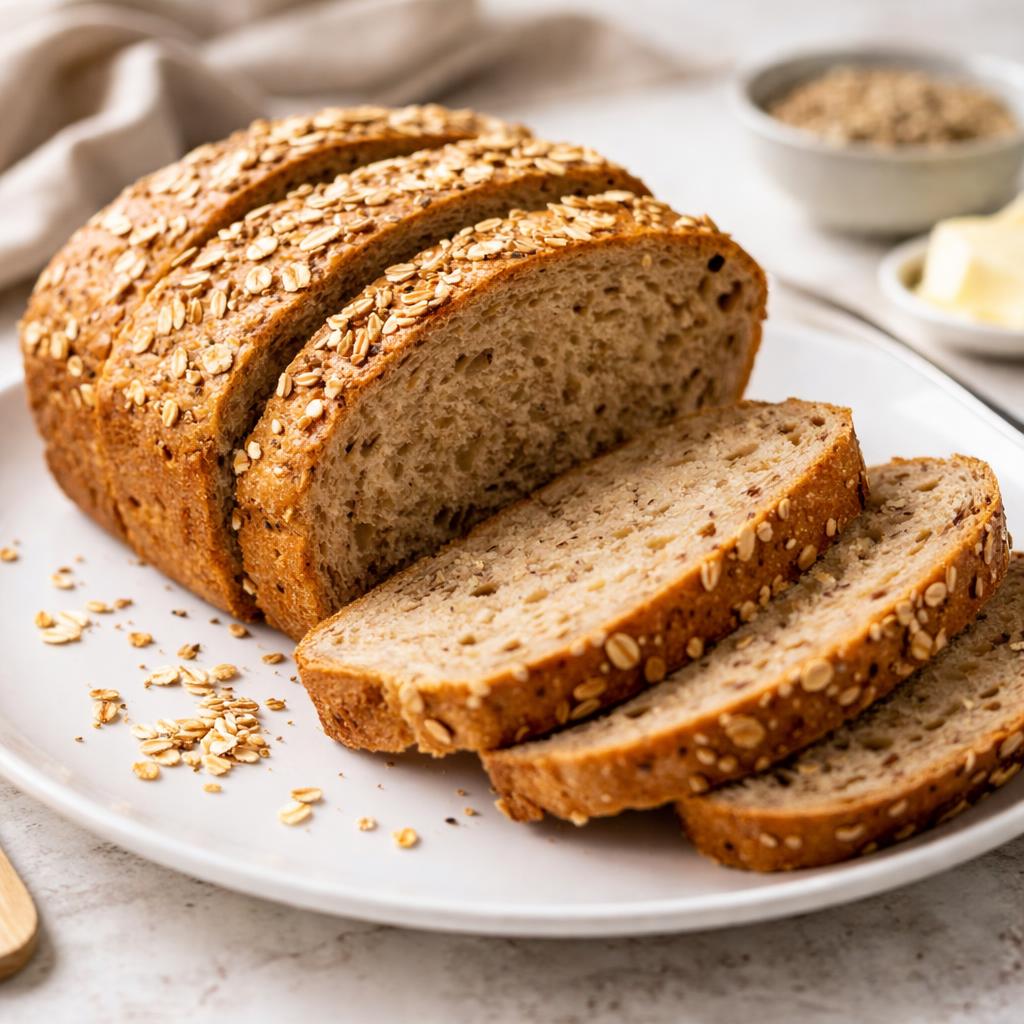
Homemade Bread
🎯 Quick Verdict
Sourdough bread (Food 1) generally stands out for its better digestion benefits and slightly more fiber, whereas homemade bread (Food 2) tends to be less processed and has slightly lower calories. Both offer similar macronutrient profiles. Sourdough is best for gut health, while homemade bread caters to a simpler, ingredient-controlled diet approach.

Smart Nutrition Tracking with SnapCalorie

📊 Nutritional Comparison
Macronutrients
| Nutrient | Food 1 | Food 2 | Winner |
|---|---|---|---|
| Calories | 90 per slice (40g) | 80 per slice (40g) | ✓ |
| Protein | 3g | 3g | − |
| Carbs | 18g | 16g | ✓ |
| Fat | 0.3g | 0.5g | ✓ |
| Fiber | 2g | 1g | ✓ |
Vitamins & Minerals
| Nutrient | Food 1 | Food 2 | Winner |
|---|---|---|---|
| Vitamin B1 (Thiamine) | 0.2mg | 0.15mg | ✓ |
| Calcium | 20mg | 22mg | ✓ |
| Iron | 0.8mg | 0.7mg | ✓ |
🏆 Category Winners
Protein
Both foods supply 3g of protein per serving.
Fiber
Sourdough bread provides 2g of fiber per slice compared to 1g in homemade bread.
Calories
Homemade bread is 10 calories lower per slice.
Vitamins
Sourdough bread is slightly richer in iron and thiamine.
🥗 Diet Compatibility
Keto
Food 1: Not Compatible
Food 2: Not Compatible
Both are high-carb due to flour content.
Vegan
Food 1: Compatible
Food 2: Compatible
Neither typically contains animal products unless specific recipes use milk or butter.
Gluten Free
Food 1: Not Compatible
Food 2: Not Compatible
Both are made from gluten-containing flour by default.
Paleo
Food 1: Not Compatible
Food 2: Not Compatible
Bread is not acceptable on paleo diets due to grain usage.
Low-Carb
Food 1: Not Compatible
Food 2: Not Compatible
Both contain nearly 18-16g carbs per serving.
💪 Health Benefits Comparison
Food 1 Benefits
- Easier to digest due to fermentation process
- Provides beneficial probiotics for gut health
- Higher iron content supports oxygen-carrying capacity
- Includes slightly more fiber aiding in satiety
Food 2 Benefits
- Ingredient control allows less processed food options
- Slightly lower in calories aiding weight management
- Contains some minerals like calcium for bone health
- Flavor can be tailored to preferences with natural ingredients
✅ The Bottom Line
Sourdough bread (Food 1) is ideal for those prioritizing digestion and gut health due to its fermentation process. Homemade bread (Food 2) is better for ingredient-conscious individuals and those looking for a slightly lower-calorie option.
Choose Food 1 for: Gut health, improved fiber intake, immune support
Choose Food 2 for: Lower calories, ingredient control, general homemade freshness


