Sourdough Bread VS Bread With Peanut Butter
A detailed nutritional comparison
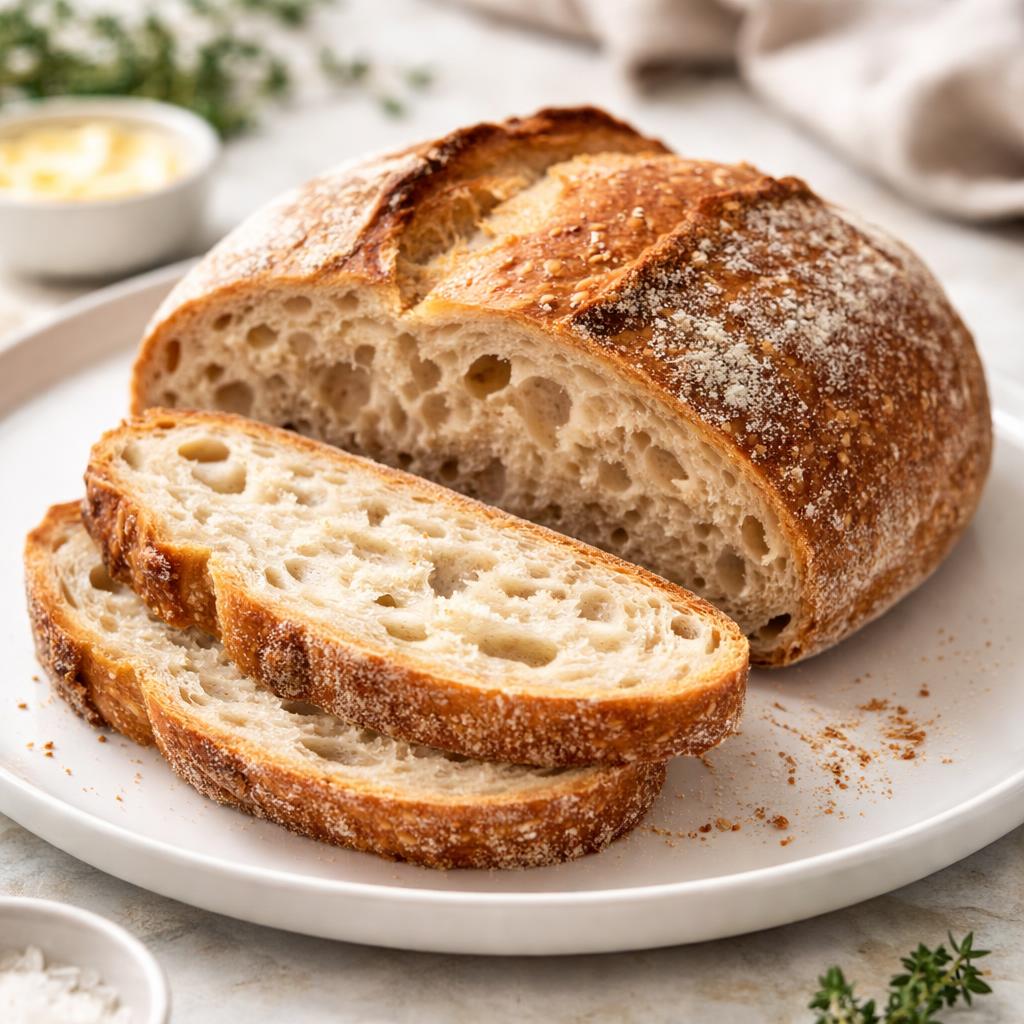
Sourdough Bread
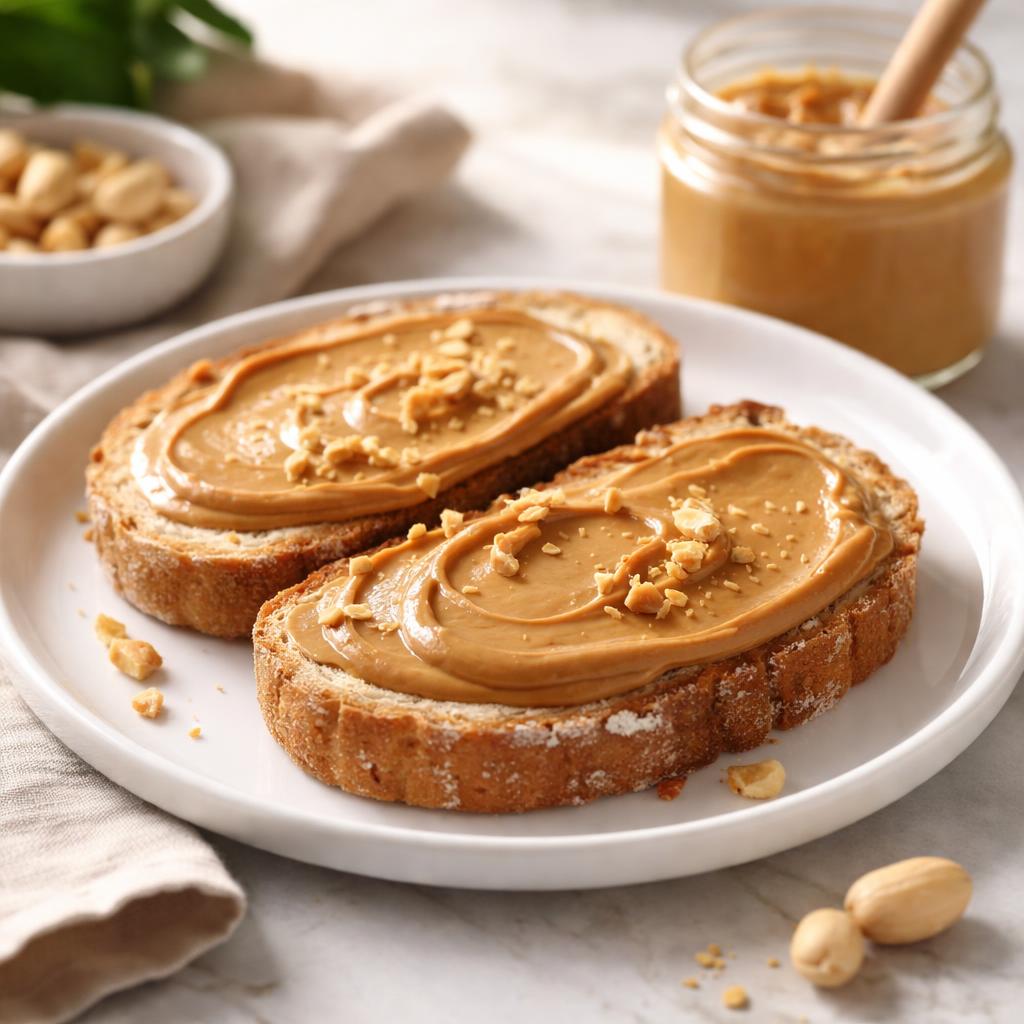
Bread With Peanut Butter
🎯 Quick Verdict
Bread with peanut butter generally offers more protein, fiber, and healthy fats compared to sourdough bread, making it ideal for those seeking satiety and sustained energy. Sourdough bread, however, is lower in calories and may be better for lighter meals or weight loss diets. Both have unique dietary applications based on nutritional needs and health goals.

Smart Nutrition Tracking with SnapCalorie

📊 Nutritional Comparison
Macronutrients
| Nutrient | Food 1 | Food 2 | Winner |
|---|---|---|---|
| Calories | 130 | 250 | ✓ |
| Protein | 4g | 9g | ✓ |
| Carbs | 25g | 20g | ✓ |
| Fat | 0.5g | 16g | ✓ |
| Fiber | 1g | 3g | ✓ |
Vitamins & Minerals
| Nutrient | Food 1 | Food 2 | Winner |
|---|---|---|---|
| Vitamin D | 0mcg | 0mcg | − |
| Calcium | 40mg | 50mg | ✓ |
| Iron | 0.8mg | 0.9mg | ✓ |
🏆 Category Winners
Protein
Food2 is over double in protein due to peanut butter's high protein content.
Fiber
Food2 contains 200% more fiber than sourdough bread.
Calories
Food1 provides only 130 calories per serving compared to 250 calories in food2.
🥗 Diet Compatibility
Keto
Food 1: Not Compatible
Food 2: Not Compatible
Both are higher than keto-friendly carb limits.
Vegan
Food 1: Not Compatible
Food 2: Compatible
Food2 can be vegan if using plant-based peanut butter.
Gluten Free
Food 1: Not Compatible
Food 2: Not Compatible
Both contain gluten due to bread.
Paleo
Food 1: Not Compatible
Food 2: Not Compatible
Neither is suitable for the paleo diet.
Low Carb
Food 1: Not Compatible
Food 2: Not Compatible
Both exceed low-carb diet carb limits.
💪 Health Benefits Comparison
Food 1 Benefits
- Lower in calories, good for weight management
- Promotes gut health due to fermentation
- Provides a moderate source of energy
Food 2 Benefits
- Rich in protein for muscle development
- Contains healthy fats for heart and brain health
- Provides sustained energy and satiety
- Good source of essential micronutrients like calcium and iron
✅ The Bottom Line
Choose sourdough bread for lower calorie meals or as a lighter carb option for weight loss. Bread with peanut butter is better suited for high-protein breakfasts, post-workout recovery, or more energy-dense meals. Both offer unique nutritional roles depending on your dietary needs.
Choose Food 1 for: Weight loss, gut health, lighter meals
Choose Food 2 for: High-energy diets, protein-rich meals, sustained energy


