Sliced Bread VS Penne Pasta
A detailed nutritional comparison
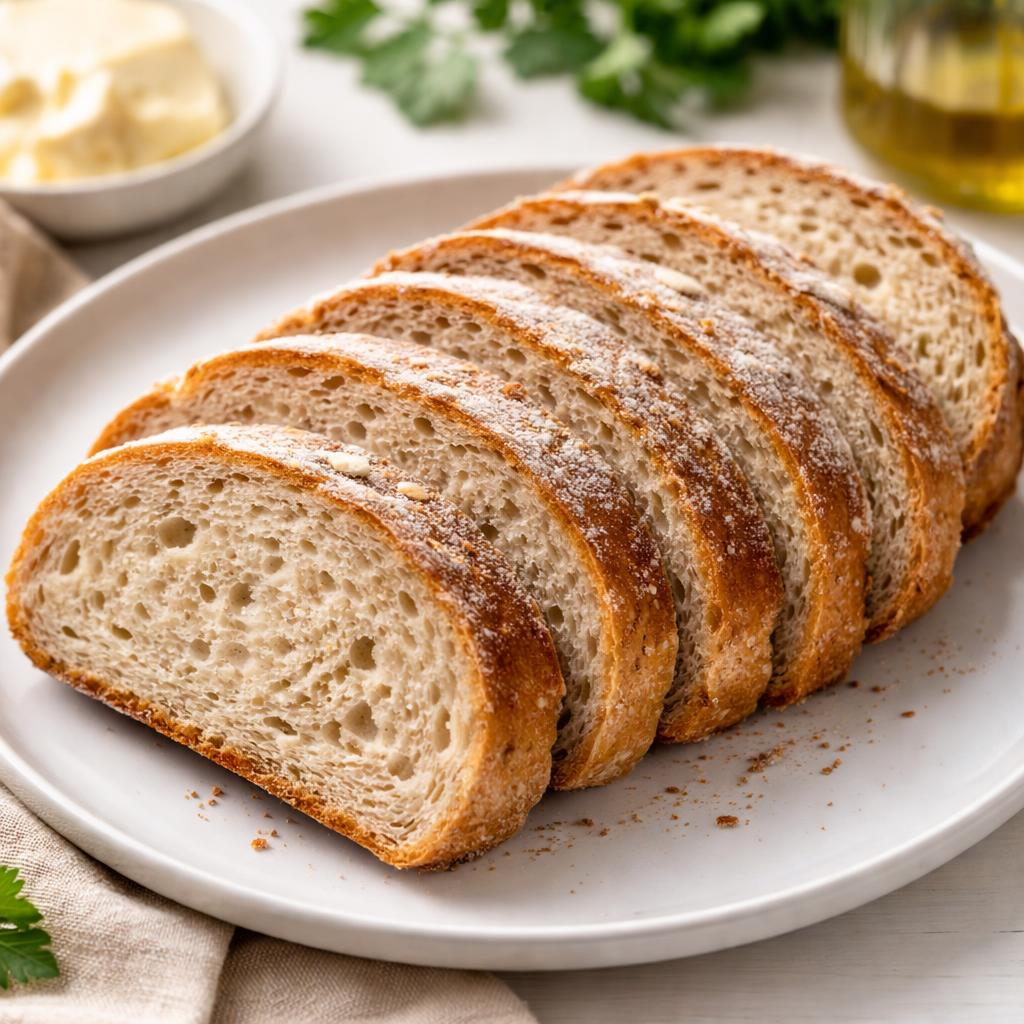
Sliced Bread
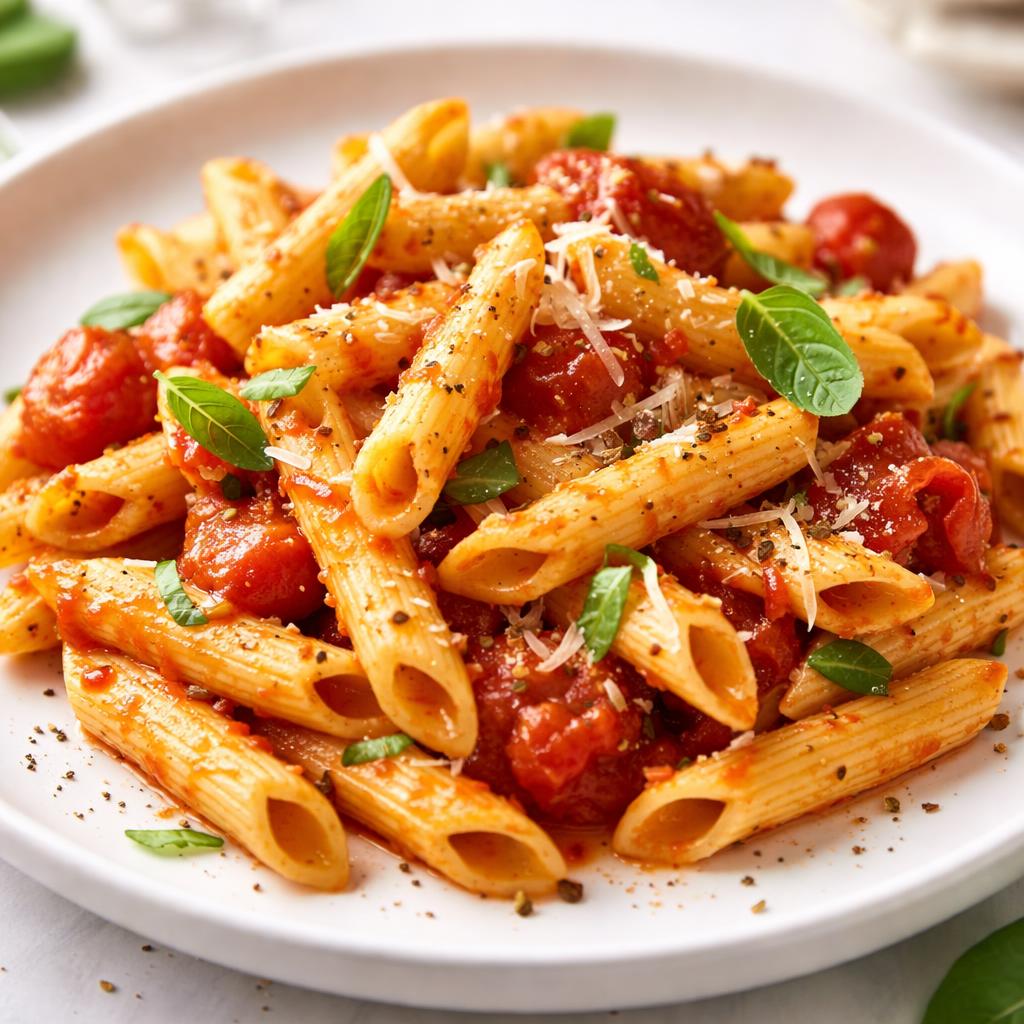
Penne Pasta
🎯 Quick Verdict
Sliced bread is lower in calories and higher in fiber, making it a better choice for weight control and digestion. Penne pasta, on the other hand, delivers more protein and energy from complex carbohydrates, great for athletes or active individuals needing sustained fuel. Bread is ideal for quick meals while pasta works well as a base for hearty dishes.

Smart Nutrition Tracking with SnapCalorie

📊 Nutritional Comparison
Macronutrients
| Nutrient | Food 1 | Food 2 | Winner |
|---|---|---|---|
| Calories | 70 (per slice) | 200 (per cup cooked) | ✓ |
| Protein | 2g | 7g | ✓ |
| Carbs | 13g | 42g | ✓ |
| Fat | 1g | 1g | − |
| Fiber | 1g | 0.8g | ✓ |
Vitamins & Minerals
| Nutrient | Food 1 | Food 2 | Winner |
|---|---|---|---|
| Vitamin B6 | 0.03mg | 0.1mg | ✓ |
| Iron | 0.8mg | 1.6mg | ✓ |
| Calcium | 25mg | 10mg | ✓ |
🏆 Category Winners
Protein
Penne pasta contains 3.5 times more protein per serving compared to sliced bread.
Fiber
Sliced bread is slightly higher in fiber with 25% more per serving.
Calories
Bread provides 65% fewer calories per serving, ideal for calorie-restricted diets.
🥗 Diet Compatibility
Keto
Food 1: Not Compatible
Food 2: Not Compatible
Both are high-carbohydrate foods unsuitable for a keto diet.
Vegan
Food 1: Compatible
Food 2: Compatible
Both can be vegan depending on preparation and choice of ingredients.
Gluten Free
Food 1: Not Compatible
Food 2: Not Compatible
Both contain gluten unless gluten-free versions are explicitly selected.
Paleo
Food 1: Not Compatible
Food 2: Not Compatible
Neither fit into paleo guidelines as they are processed grains.
Low-Carb
Food 1: Not Compatible
Food 2: Not Compatible
Both are higher-carb foods not suited for low-carb diets.
💪 Health Benefits Comparison
Food 1 Benefits
- Low calorie option for weight management
- Good source of quick energy from carbohydrates
- Provides small amounts of calcium for bone health
Food 2 Benefits
- Rich in complex carbohydrates for long-lasting energy
- Higher protein content for muscle repair and maintenance
- Source of iron to support oxygen transport in the blood
✅ The Bottom Line
Sliced bread is better for lighter meals and weight control, while penne pasta is ideal for hearty meals and sustained energy. Use bread for quick sandwiches or toast, and pasta for dishes needing higher calorie density and protein content.
Choose Food 1 for: Quick meals, weight control, light snacks
Choose Food 2 for: Athletic performance, energy-intensive meals, muscle repair


