Sliced Bread VS Multigrain Bread
A detailed nutritional comparison
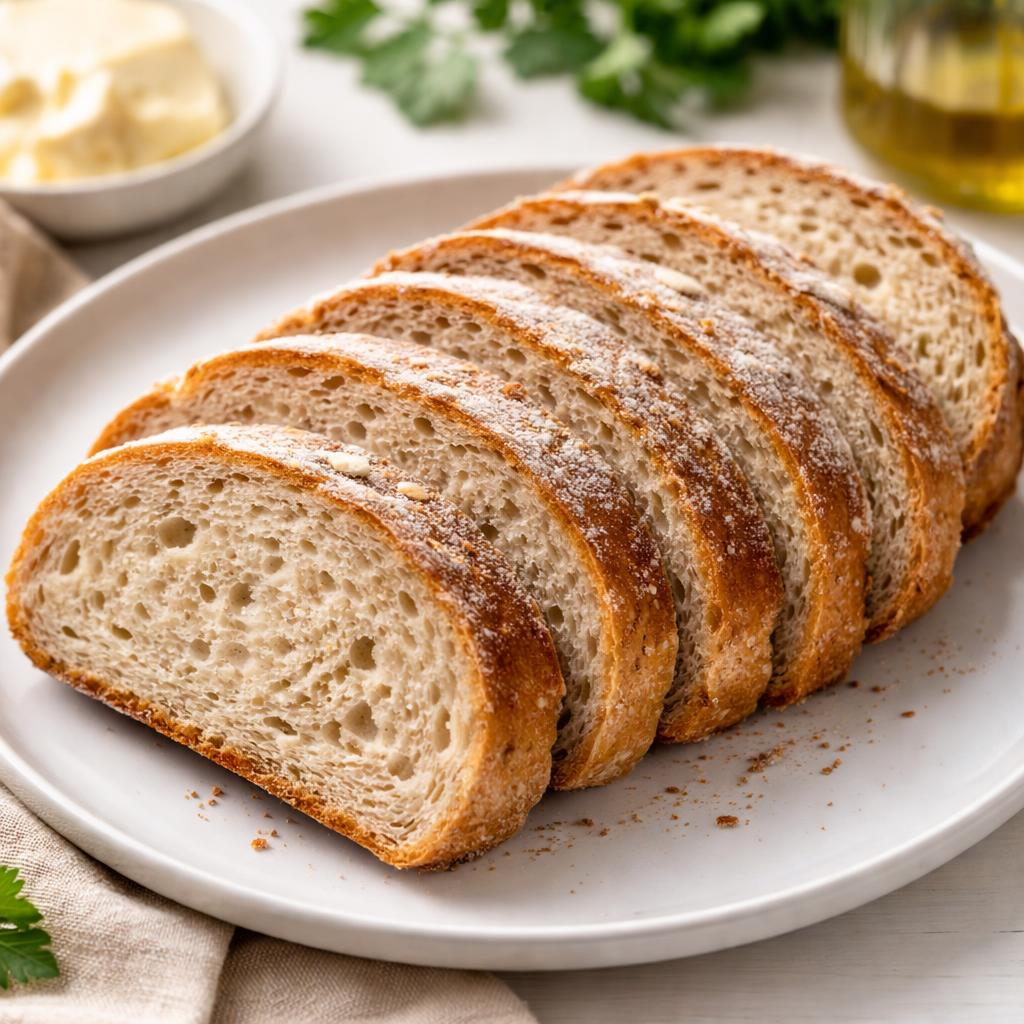
Sliced Bread
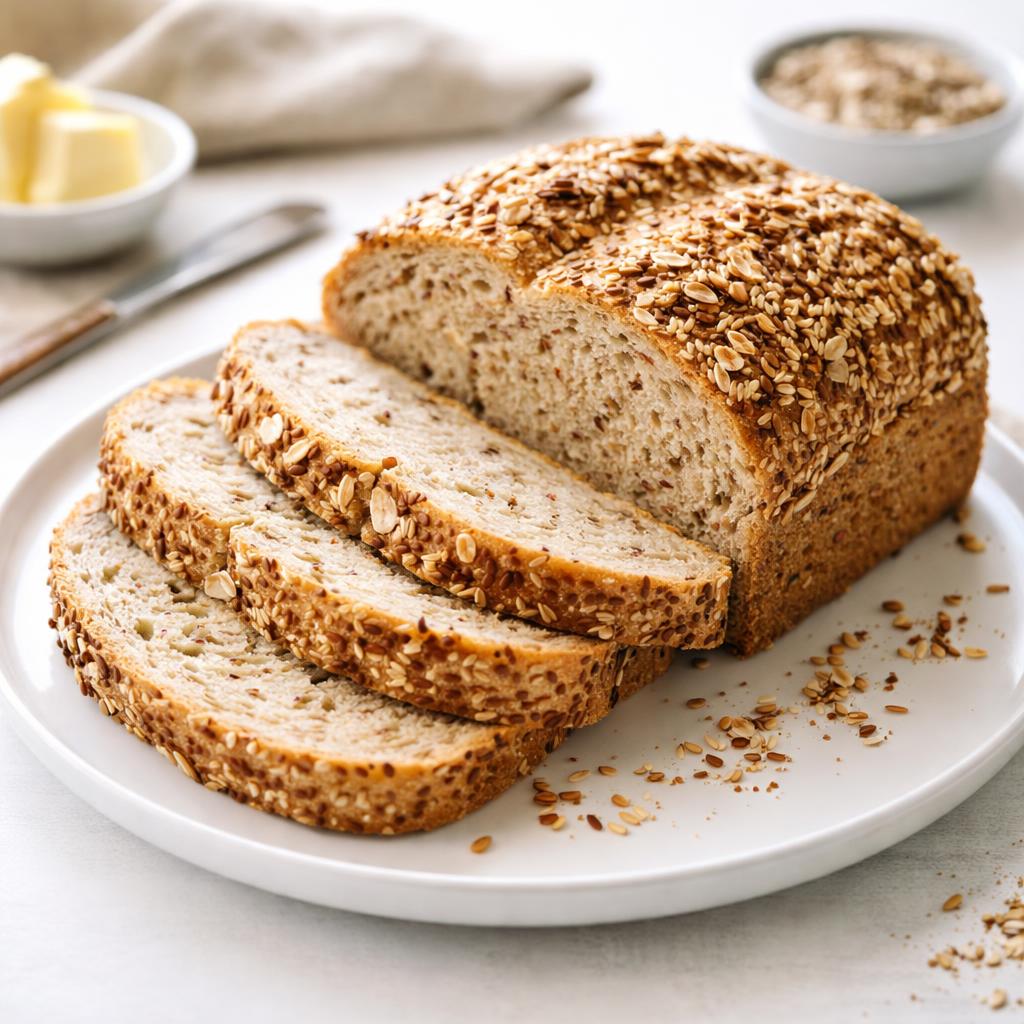
Multigrain Bread
🎯 Quick Verdict
Multigrain bread outshines sliced white bread in several areas, including higher protein (5g vs 3g per slice), more fiber (3g vs 1g per slice), and a wider spectrum of vitamins and minerals. Sliced bread has fewer nutrients but can still serve as a quick, versatile choice. Multigrain bread is better suited for those seeking heart-healthy or nutrient-dense options.

Smart Nutrition Tracking with SnapCalorie

📊 Nutritional Comparison
Macronutrients
| Nutrient | Food 1 | Food 2 | Winner |
|---|---|---|---|
| Calories | 80 | 80 | − |
| Protein | 3g | 5g | − |
| Carbs | 14g | 15g | − |
| Fat | 1g | 2g | − |
| Fiber | 1g | 3g | − |
Vitamins & Minerals
| Nutrient | Food 1 | Food 2 | Winner |
|---|---|---|---|
| Vitamin D | 0mcg | 0mcg | − |
| Calcium | 80mg | 120mg | − |
| Iron | 0.7mg | 1mg | − |
| Magnesium | 5mg | 15mg | − |
| Potassium | 35mg | 50mg | − |
🏆 Category Winners
Protein
Multigrain bread offers 66% more protein per slice.
Fiber
Multigrain bread has triple the fiber level, ideal for digestion.
Calories
Both breads contain 80 calories per slice.
Vitamins
Multigrain bread has higher levels of calcium, iron, and magnesium compared to sliced bread.
🥗 Diet Compatibility
Keto
Food 1: Not Compatible
Food 2: Not Compatible
Both are high-carb (14-15g per slice), which does not fit keto macros.
Vegan
Food 1: Compatible
Food 2: Compatible
Both bread options are plant-based unless additives are present.
Gluten Free
Food 1: Not Compatible
Food 2: Not Compatible
Neither bread is gluten-free as they are made with wheat.
Paleo
Food 1: Not Compatible
Food 2: Not Compatible
Paleo excludes processed grains like those in both bread types.
Low-Carb
Food 1: Not Compatible
Food 2: Not Compatible
Carb content per slice (14-15g) disqualifies both from low-carb diets.
💪 Health Benefits Comparison
Food 1 Benefits
- Convenient and versatile for quick meals
- Provides essential carbohydrates for energy
- Contains simple nutrients like iron and calcium
Food 2 Benefits
- Higher fiber content supports digestive health
- More protein for muscle maintenance and satiety
- Enriched with minerals like magnesium for bone health
✅ The Bottom Line
Multigrain bread is a better choice nutritionally, offering more protein, fiber, and micronutrients. Sliced bread is a more basic, versatile option but lacks nutrient density. Choose sliced bread for simplicity or multigrain bread to prioritize health benefits like heart health and digestion.
Choose Food 1 for: Quick snacks, simple sandwiches, easy access
Choose Food 2 for: Health-conscious diets, boosting fiber and nutrients, hearty meals


