Slice Of Bread VS Wheat Bread
A detailed nutritional comparison
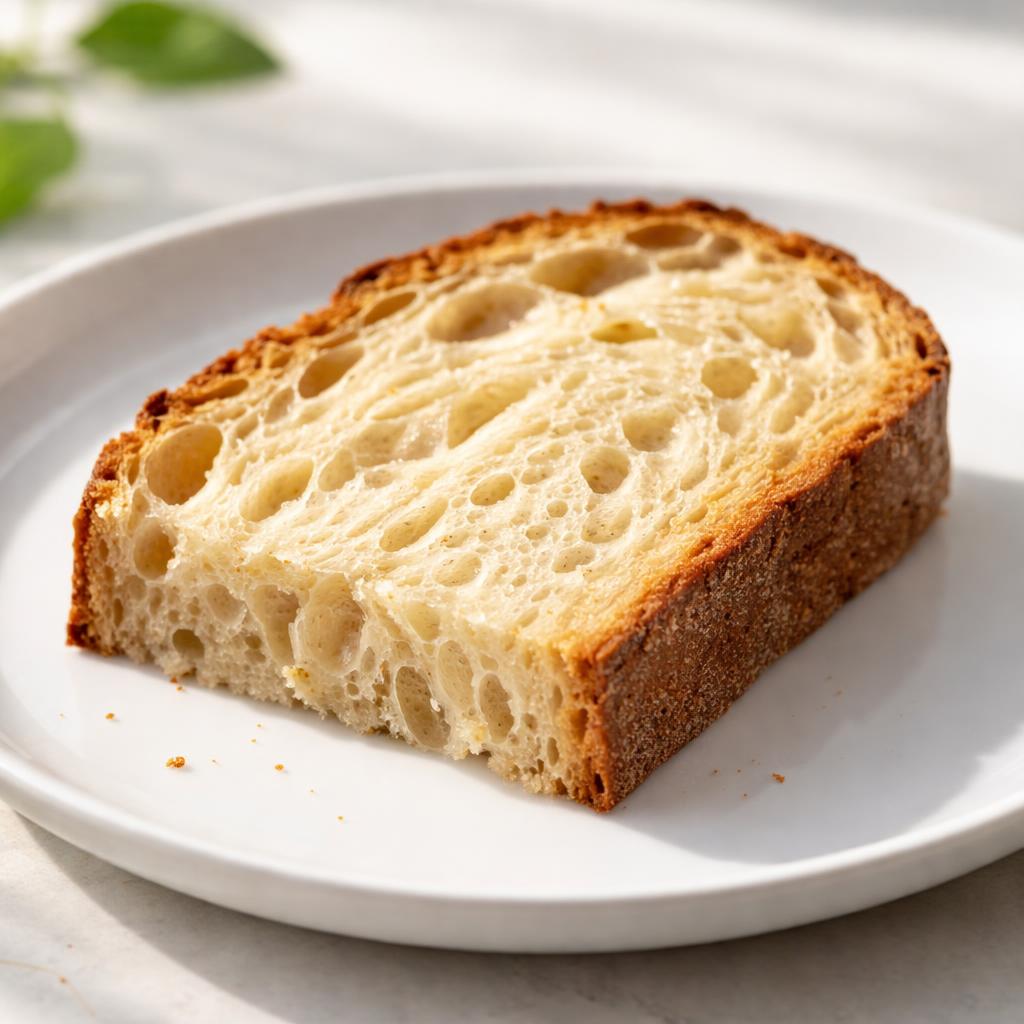
Slice Of Bread
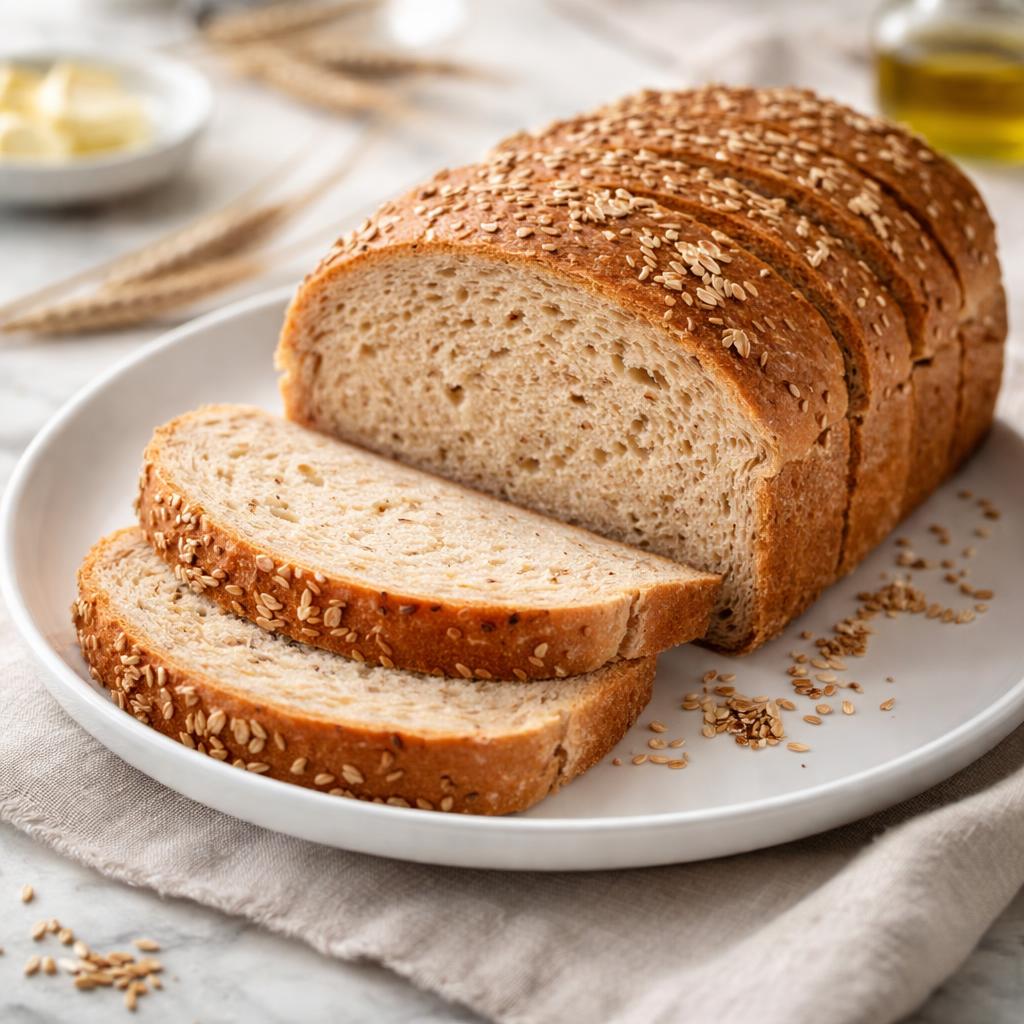
Wheat Bread
🎯 Quick Verdict
Wheat bread (food2) is nutritionally superior to a regular slice of white bread (food1), offering more protein, fiber, and micronutrients like B vitamins. While both serve similar dietary purposes, wheat bread is better for promoting digestive health and providing sustained energy due to its higher fiber and protein content.

Smart Nutrition Tracking with SnapCalorie

📊 Nutritional Comparison
Macronutrients
| Nutrient | Food 1 | Food 2 | Winner |
|---|---|---|---|
| Calories | 79 | 80 | − |
| Protein | 2.7g | 4g | ✓ |
| Carbs | 14.8g | 16g | ✓ |
| Fat | 0.7g | 0.9g | ✓ |
| Fiber | 0.6g | 2g | ✓ |
Vitamins & Minerals
| Nutrient | Food 1 | Food 2 | Winner |
|---|---|---|---|
| Vitamin B6 | 0.02mg | 0.08mg | ✓ |
| Vitamin B3 (Niacin) | 0.57mg | 1mg | ✓ |
| Iron | 0.93mg | 1.23mg | ✓ |
🏆 Category Winners
Protein
Wheat bread contains 48% more protein.
Fiber
Wheat bread has over 3x the fiber of white bread.
Calories
Both bread types are nearly identical in calories per slice (~80 calories).
Vitamins
Wheat bread is richer in B vitamins (B6 and B3) and iron.
🥗 Diet Compatibility
Keto
Food 1: Not Compatible
Food 2: Not Compatible
Both are high-carb and unsuitable for ketogenic diets.
Vegan
Food 1: Compatible
Food 2: Compatible
Neither contains animal-derived ingredients.
Gluten Free
Food 1: Not Compatible
Food 2: Not Compatible
Both are made from wheat and contain gluten.
Paleo
Food 1: Not Compatible
Food 2: Not Compatible
Modern breads are excluded from paleo diets.
Low-Carb
Food 1: Not Compatible
Food 2: Not Compatible
Both are relatively high in carbohydrates.
💪 Health Benefits Comparison
Food 1 Benefits
- Provides quick energy due to simple carbohydrates
- Low in fat, making it suitable for low-fat diets
- Offers basic iron support for red blood cell production
Food 2 Benefits
- Higher fiber content promotes digestive health
- Rich in B vitamins crucial for energy metabolism
- Contains more protein, supporting muscle maintenance
- Better source of iron for blood health
✅ The Bottom Line
Wheat bread is the better choice for its richer nutritional profile, especially its higher fiber, protein, and B vitamins. Opt for regular white bread only if you need quick-digesting carbs or enjoy the taste. Wheat bread is ideal for those prioritizing digestive health and sustained energy.
Choose Food 1 for: Quick snacks, simple carbohydrates for fast energy, low-fat diets
Choose Food 2 for: Balanced diets, digestive health, nutrient-rich meals


