Slice Of Bread VS Rice And Peas
A detailed nutritional comparison
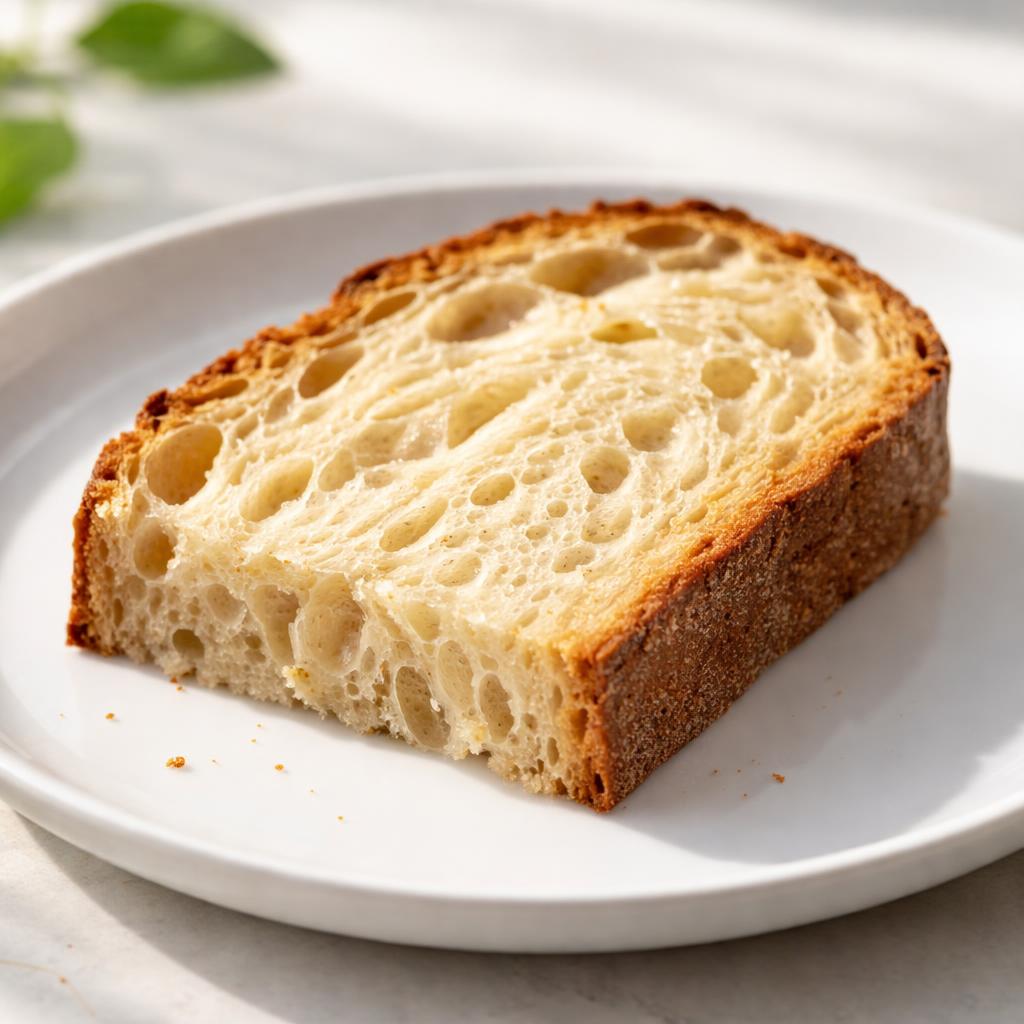
Slice Of Bread
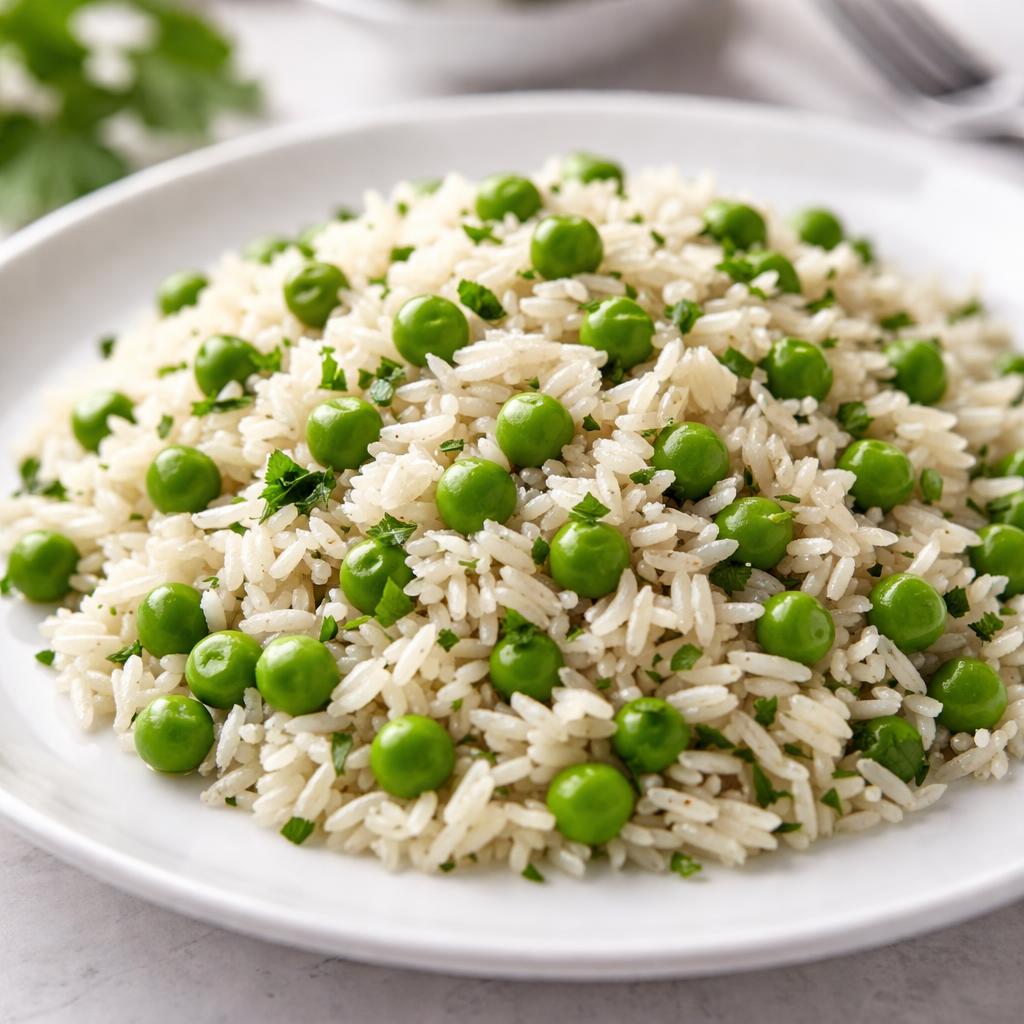
Rice And Peas
🎯 Quick Verdict
Rice and peas (food2) is nutritionally denser, offering more protein, fiber, and key vitamins like iron and magnesium compared to a slice of bread (food1). Bread has fewer calories, making it a better choice for those focusing on calorie control. Food2 is ideal for balanced meals and sustained energy, while food1 is simpler and convenient for quick snacks or lighter meals.

Smart Nutrition Tracking with SnapCalorie

📊 Nutritional Comparison
Macronutrients
| Nutrient | Food 1 | Food 2 | Winner |
|---|---|---|---|
| Calories | 80 kcal | 150 kcal | ✓ |
| Protein | 3g | 5g | ✓ |
| Carbs | 15g | 28g | ✓ |
| Fat | 1g | 3g | ✓ |
| Fiber | 1g | 4g | ✓ |
Vitamins & Minerals
| Nutrient | Food 1 | Food 2 | Winner |
|---|---|---|---|
| Iron | 0.5mg | 2mg | ✓ |
| Magnesium | 10mg | 45mg | ✓ |
| Vitamin B6 | 0.02mg | 0.1mg | ✓ |
🏆 Category Winners
Protein
Rice and peas contain 67% more protein per serving.
Fiber
Rice and peas offer 4x more fiber compared to bread.
Calories
Bread has around 47% fewer calories per serving.
Vitamins
Food2 has higher levels of essential nutrients like iron, magnesium, and vitamin B6.
🥗 Diet Compatibility
Keto
Food 1: Not Compatible
Food 2: Not Compatible
Both are high in carbohydrates.
Vegan
Food 1: Compatible
Food 2: Compatible
Both foods are plant-based.
Gluten Free
Food 1: Not Compatible
Food 2: Compatible
Bread contains gluten, while rice and peas are naturally gluten-free.
Paleo
Food 1: Not Compatible
Food 2: Compatible
Rice and peas fit more closely with paleo diets as they are unprocessed whole foods.
Low-Carb
Food 1: Not Compatible
Food 2: Not Compatible
Both foods are relatively high in carbohydrates.
💪 Health Benefits Comparison
Food 1 Benefits
- Low in calories, supporting weight control
- Convenient as a quick energy source
- Fortified varieties may provide essential vitamins and minerals
Food 2 Benefits
- High in protein for muscle repair and energy
- Rich in fiber for digestion and satiety
- Good source of iron and magnesium for energy metabolism and bone health
- Provides sustained energy with complex carbohydrates
✅ The Bottom Line
Choose bread (food1) for lighter meals or quick snacks when calorie control is a priority. Opt for rice and peas (food2) for more nutrient density, including protein, fiber, and vitamins, making it a balanced choice for a main meal or post-workout recovery.
Choose Food 1 for: Weight loss, light snacks, convenience
Choose Food 2 for: Balanced meals, sustained energy, nutrient-rich diets


