Salad VS Yellow Bell Pepper
A detailed nutritional comparison
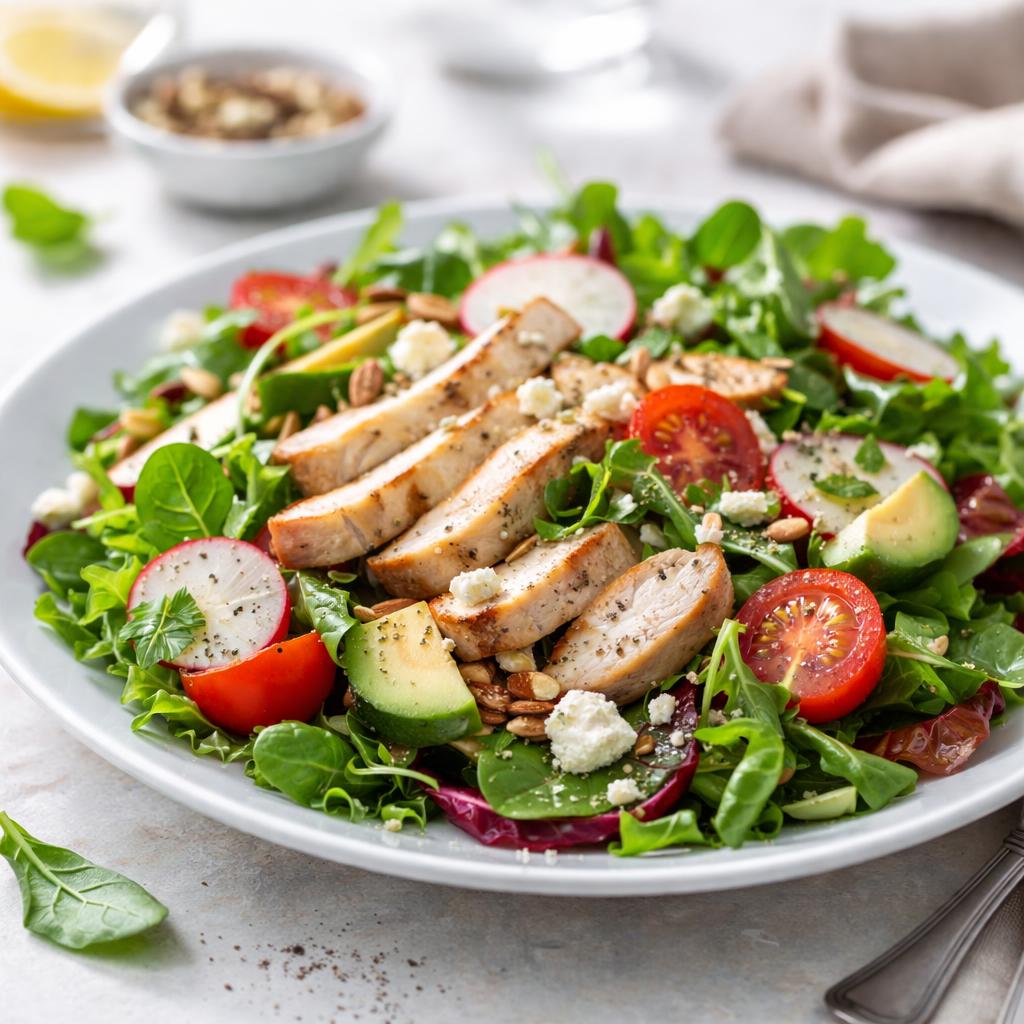
Salad
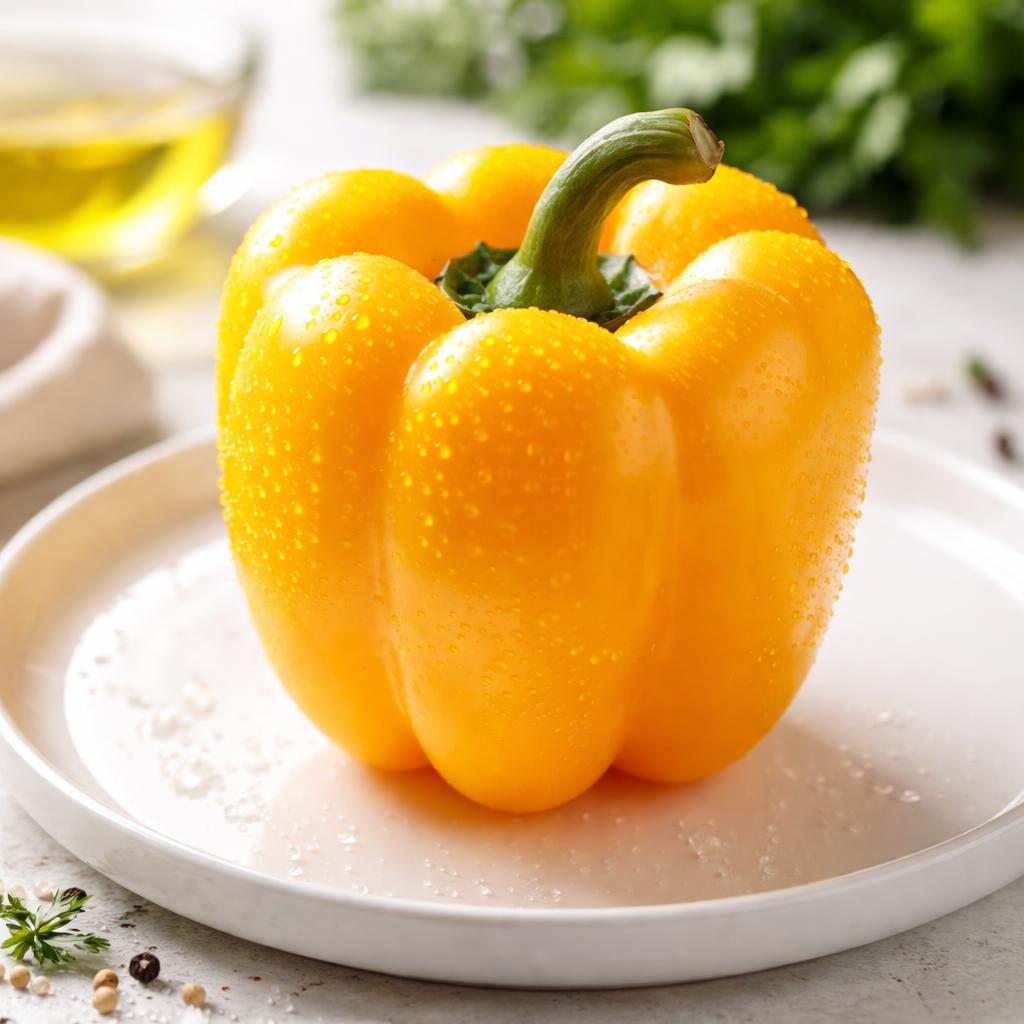
Yellow Bell Pepper
🎯 Quick Verdict
Salad and yellow bell pepper both offer unique nutritional profiles. Salad often contains a mix of leafy greens, which are rich in fiber (2.5g per cup) and vitamins like vitamin K, while yellow bell pepper excels in vitamin C content and offers antioxidants. Salad is better suited for those prioritizing protein and fiber, while yellow bell pepper can be a vitamin C powerhouse for immune health.

Smart Nutrition Tracking with SnapCalorie

📊 Nutritional Comparison
Macronutrients
| Nutrient | Food 1 | Food 2 | Winner |
|---|---|---|---|
| Calories | 15 per cup | 15 per medium pepper | − |
| Protein | 1g per cup | 0.5g per medium pepper | ✓ |
| Carbs | 3g per cup | 4g per medium pepper | ✓ |
| Fat | 0.2g per cup | 0.1g per medium pepper | ✓ |
| Fiber | 2.5g per cup | 1.7g per medium pepper | ✓ |
Vitamins & Minerals
| Nutrient | Food 1 | Food 2 | Winner |
|---|---|---|---|
| Vitamin C | 13mg per cup | 342mg per medium pepper | ✓ |
| Vitamin A | 32mcg RAE per cup | 120mcg RAE per medium pepper | ✓ |
| Vitamin K | 150mcg per cup | 4mcg per medium pepper | ✓ |
🏆 Category Winners
Protein
Salad contains 1g of protein primarily from leafy greens, compared to 0.5g in yellow bell pepper.
Fiber
Salad contains higher fiber (2.5g per cup) versus yellow bell pepper (1.7g per medium pepper).
Calories
Both foods are equally low in calories (15 calories per serving).
Vitamins
Yellow bell pepper is superior in vitamin C and vitamin A content, important for immune support and eye health.
🥗 Diet Compatibility
Keto
Food 1: Compatible
Food 2: Compatible
Both are low in carbs and suitable for keto diets.
Vegan
Food 1: Compatible
Food 2: Compatible
Both foods are plant-based and vegan-friendly.
Gluten Free
Food 1: Compatible
Food 2: Compatible
Neither food contains gluten.
Paleo
Food 1: Compatible
Food 2: Compatible
Both align with paleo principles of whole, unprocessed plant foods.
Low Carbohydrate
Food 1: Compatible
Food 2: Compatible
Both contain under 5g of carbohydrates per serving, making them low-carb friendly.
💪 Health Benefits Comparison
Food 1 Benefits
- High fiber content promotes digestive health
- Rich in vitamin K for healthy blood clotting and bone health
- Low in calories, suitable for weight management
Food 2 Benefits
- Excellent source of vitamin C for immune support and skin health
- Rich in vitamin A for vision and cellular health
- Provides antioxidants that combat free radicals
✅ The Bottom Line
Salad and yellow bell pepper both shine as nutrient-dense, low-calorie foods, but they align with different goals. Choose salad if you need a source of fiber and vitamin K, or yellow bell pepper for a powerful dose of vitamin C and antioxidants. Both are great for weight management and can complement each other in various diets.
Choose Food 1 for: Digestive health, fiber-rich diets, low-calorie meals
Choose Food 2 for: Immune health, antioxidant support, vitamin A and C intake


