Salad VS Wrap
A detailed nutritional comparison
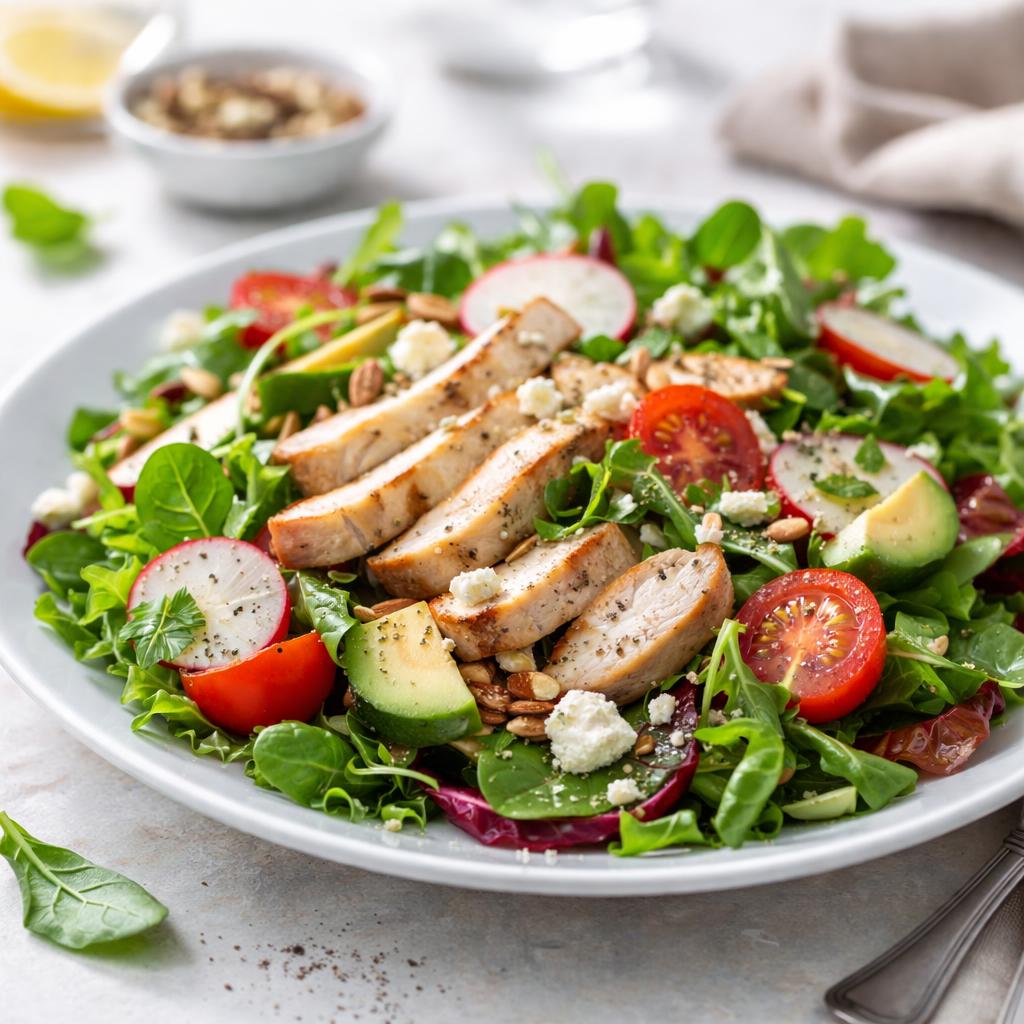
Salad
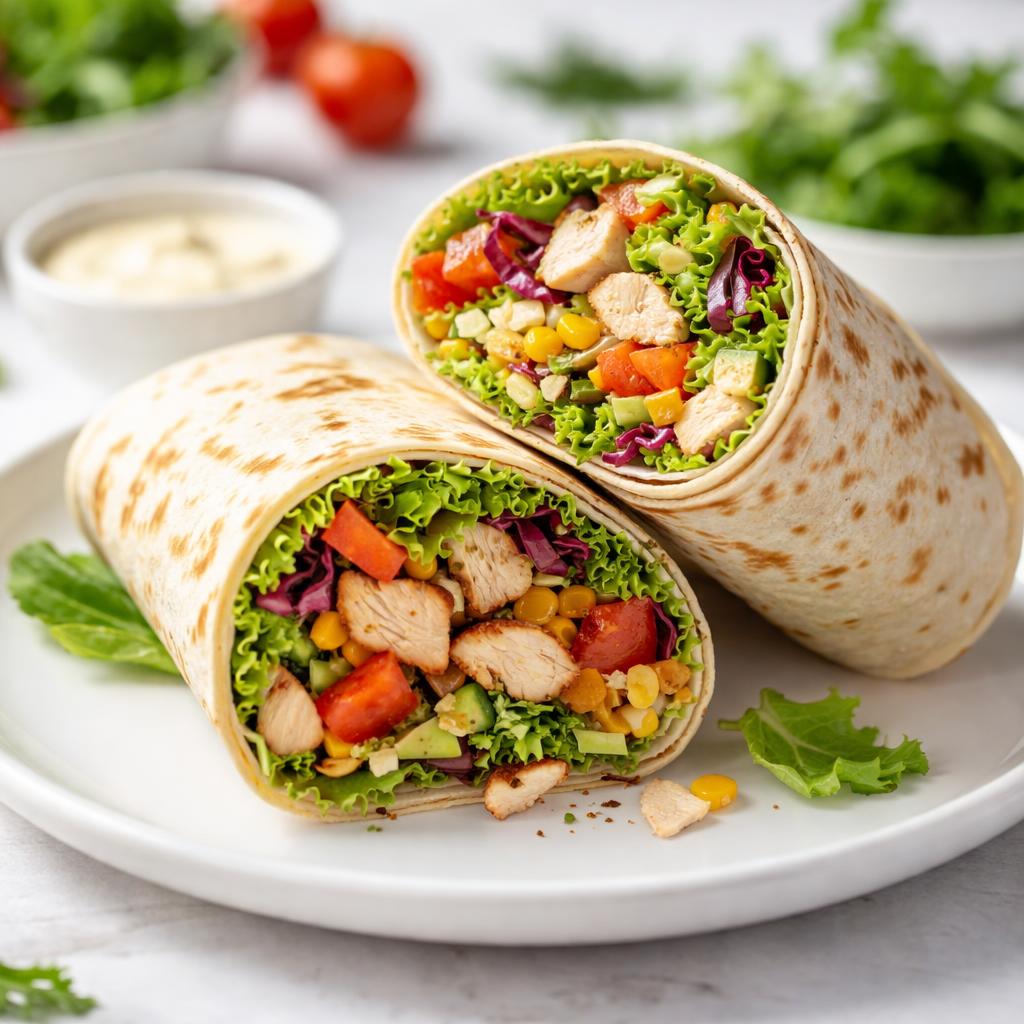
Wrap
🎯 Quick Verdict
Salad is lower in calories and higher in fiber, making it excellent for digestion and weight management. Wraps typically offer more protein and carbohydrates, making them better for workouts or as a sustaining meal. Choose a salad for lighter meals and a wrap for heavier, more energy-dense meals.

Smart Nutrition Tracking with SnapCalorie

📊 Nutritional Comparison
Macronutrients
| Nutrient | Food 1 | Food 2 | Winner |
|---|---|---|---|
| Calories | 120 | 300 | ✓ |
| Protein | 4g | 15g | ✓ |
| Carbs | 10g | 30g | ✓ |
| Fat | 6g | 10g | ✓ |
| Fiber | 4g | 2g | ✓ |
Vitamins & Minerals
| Nutrient | Food 1 | Food 2 | Winner |
|---|---|---|---|
| Vitamin A | 1500IU | 500IU | ✓ |
| Vitamin C | 30mg | 5mg | ✓ |
| Iron | 1mg | 2mg | ✓ |
| Calcium | 70mg | 150mg | ✓ |
🏆 Category Winners
Protein
Wraps typically contain protein-dense fillings like meats or beans, offering nearly four times the protein.
Fiber
Salad contains twice the fiber due to leafy greens and vegetables.
Calories
Salads are lighter with fewer calories, perfect for low-calorie diets.
Vitamins
Salad wins overall in vitamin content, especially Vitamin A and C, thanks to fresh vegetables.
🥗 Diet Compatibility
Keto
Food 1: Not Compatible
Food 2: Sometimes Compatible
Wraps can sometimes be keto if made with low-carb tortillas; salads may contain too many carbs from vegetables.
Vegan
Food 1: Compatible
Food 2: Sometimes Compatible
Salads are easily vegan, while wraps depend on the filling (e.g., some include cheese or meat).
Gluten Free
Food 1: Compatible
Food 2: Not Compatible
Most wraps contain regular flour, which includes gluten, while salad avoids it entirely.
Paleo
Food 1: Compatible
Food 2: Not Compatible
Salads align with the paleo diet, while wraps usually include processed grains.
Low-Carb
Food 1: Not Compatible
Food 2: Sometimes Compatible
Wraps with special low-carb alternatives can fit; salads often feature high-carb vegetables.
💪 Health Benefits Comparison
Food 1 Benefits
- Rich in fiber, aiding digestion and gut health
- Low calorie content, suitable for weight management
- High in Vitamin A and C for immune support
- Loaded with antioxidants for combating oxidative stress
Food 2 Benefits
- High protein content for muscle growth and recovery
- Provides sustained energy due to balanced carbs
- Good source of iron and calcium for bone and blood health
- Supports heart health with moderate healthy fats, depending on wrapping ingredients
✅ The Bottom Line
Salads are the better option for those focusing on weight management, digestion, and increasing vitamin intake. Wraps offer a higher protein and energy content, making them ideal for workouts or substantial meals. Depending on your dietary goals, use salads for lighter periods and wraps for when you need more sustenance.
Choose Food 1 for: Weight loss, digestion support, immune health, light meals
Choose Food 2 for: Workout recovery, high-energy requirement, protein-rich diets, substantial meals


