Salad VS Wasabi
A detailed nutritional comparison
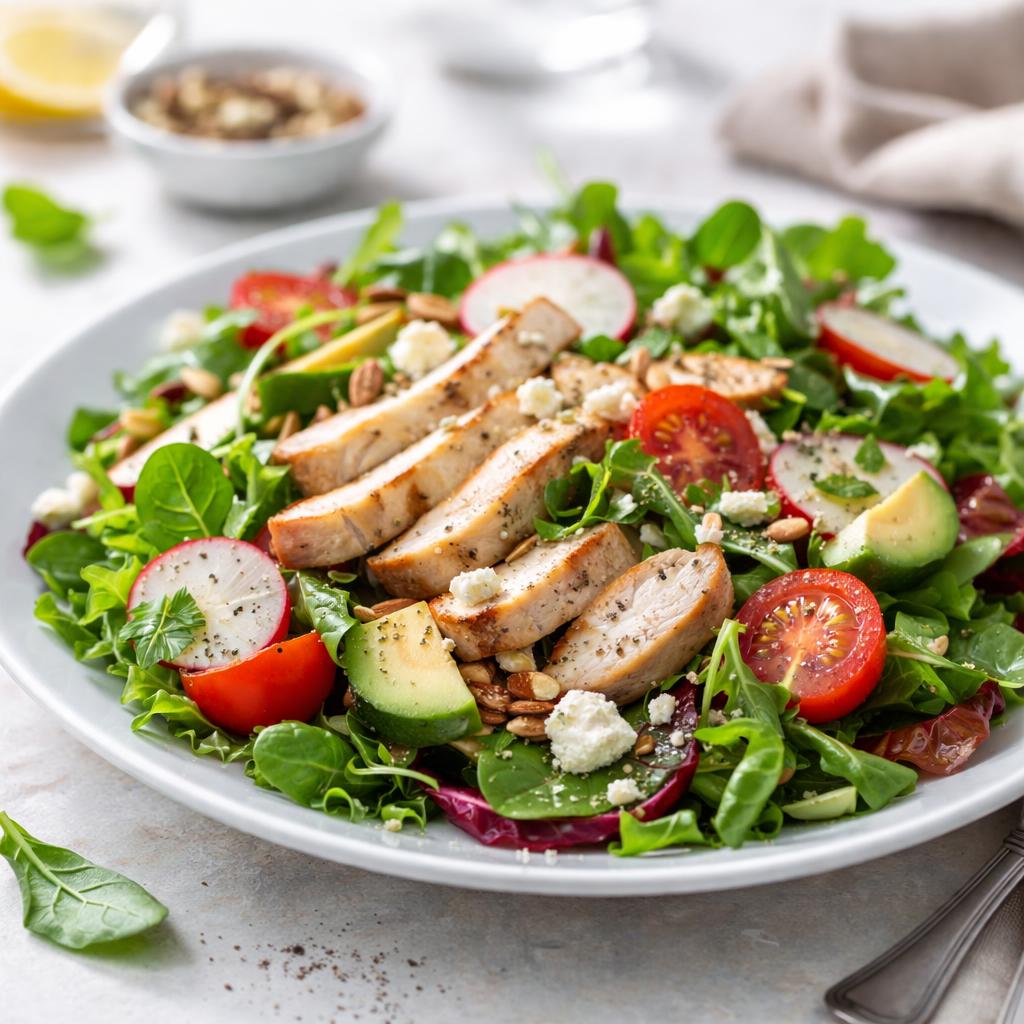
Salad
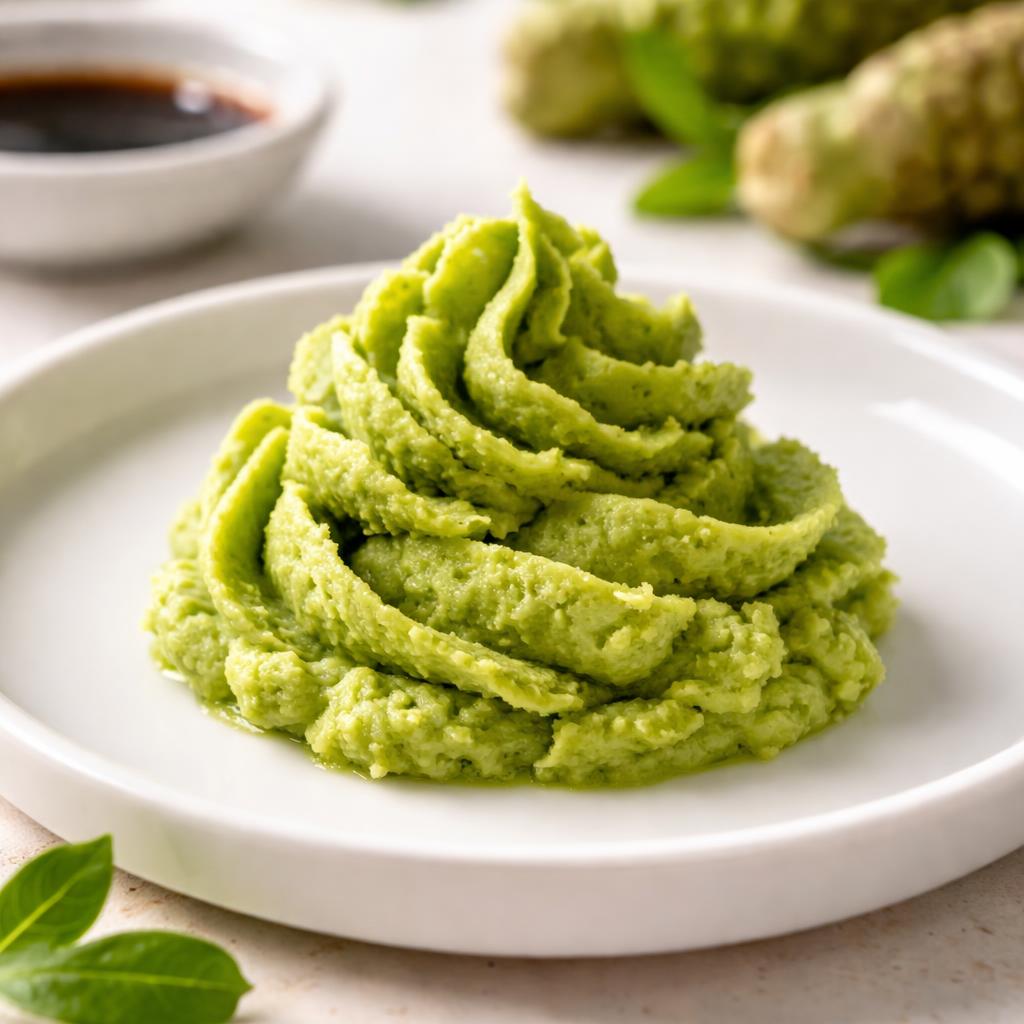
Wasabi
🎯 Quick Verdict
Salad and wasabi are vastly different in nutritional profiles and uses. Salad is nutrient-dense, low-calorie, and rich in fiber and protein, making it a versatile meal or side dish. Wasabi, on the other hand, is primarily a flavor enhancer with minimal calories but negligible macronutrients, offering unique health benefits like anti-inflammatory properties.

Smart Nutrition Tracking with SnapCalorie

📊 Nutritional Comparison
Macronutrients
| Nutrient | Food 1 | Food 2 | Winner |
|---|---|---|---|
| Calories | 25 per cup (raw vegetables) | 20 per tablespoon | − |
| Protein | 2g per cup | 0.5g per tablespoon | ✓ |
| Carbs | 4g per cup | 3.5g per tablespoon | ✓ |
| Fat | 0.2g per cup | 0g | ✓ |
| Fiber | 2g per cup | 0.2g per tablespoon | ✓ |
Vitamins & Minerals
| Nutrient | Food 1 | Food 2 | Winner |
|---|---|---|---|
| Vitamin C | 9mg per cup | 5.5mg per tablespoon | ✓ |
| Vitamin A | 150mcg per cup | 0.5mcg per tablespoon | ✓ |
| Calcium | 20mg per cup | 10mg per tablespoon | ✓ |
🏆 Category Winners
Protein
Salad contains significantly more protein with 2g per cup compared to negligible amounts in wasabi.
Fiber
Salad provides 10x more fiber with 2g per cup, aiding digestion.
Calories
Both foods are extremely low-calorie with similar values per serving.
Vitamins
Salad is packed with micronutrients like Vitamin C and A compared to wasabi.
🥗 Diet Compatibility
Keto
Food 1: Compatible
Food 2: Compatible
Both foods are low-carb and fit ketogenic diets.
Vegan
Food 1: Compatible
Food 2: Compatible
Neither food contains animal-based ingredients.
Gluten Free
Food 1: Compatible
Food 2: Compatible
Neither contains gluten unless toppings or additives are used.
Paleo
Food 1: Compatible
Food 2: Compatible
Both align with paleo principles being plant-based and minimally processed.
Low-Carb
Food 1: Compatible
Food 2: Compatible
Each food is naturally low in carbohydrates.
💪 Health Benefits Comparison
Food 1 Benefits
- High in fiber for digestive health
- Rich in Vitamin C to support immunity
- Provides antioxidants to combat inflammation
Food 2 Benefits
- Potential anti-inflammatory properties
- Contains compounds that may support heart health
- Low-calorie condiment useful for weight management
✅ The Bottom Line
Salad is the clear winner for overall nutrition, providing significant fiber, protein, and vitamins, making it an ideal food for weight loss and overall health. Wasabi, with its bold flavor, is best used sparingly as an invigorating condiment with unique anti-inflammatory benefits.
Choose Food 1 for: Meal base, side dish, weight management, nutrient-dense diets
Choose Food 2 for: Flavor enhancement, anti-inflammatory benefits, low-calorie condiment


