Salad VS Tomatoes
A detailed nutritional comparison
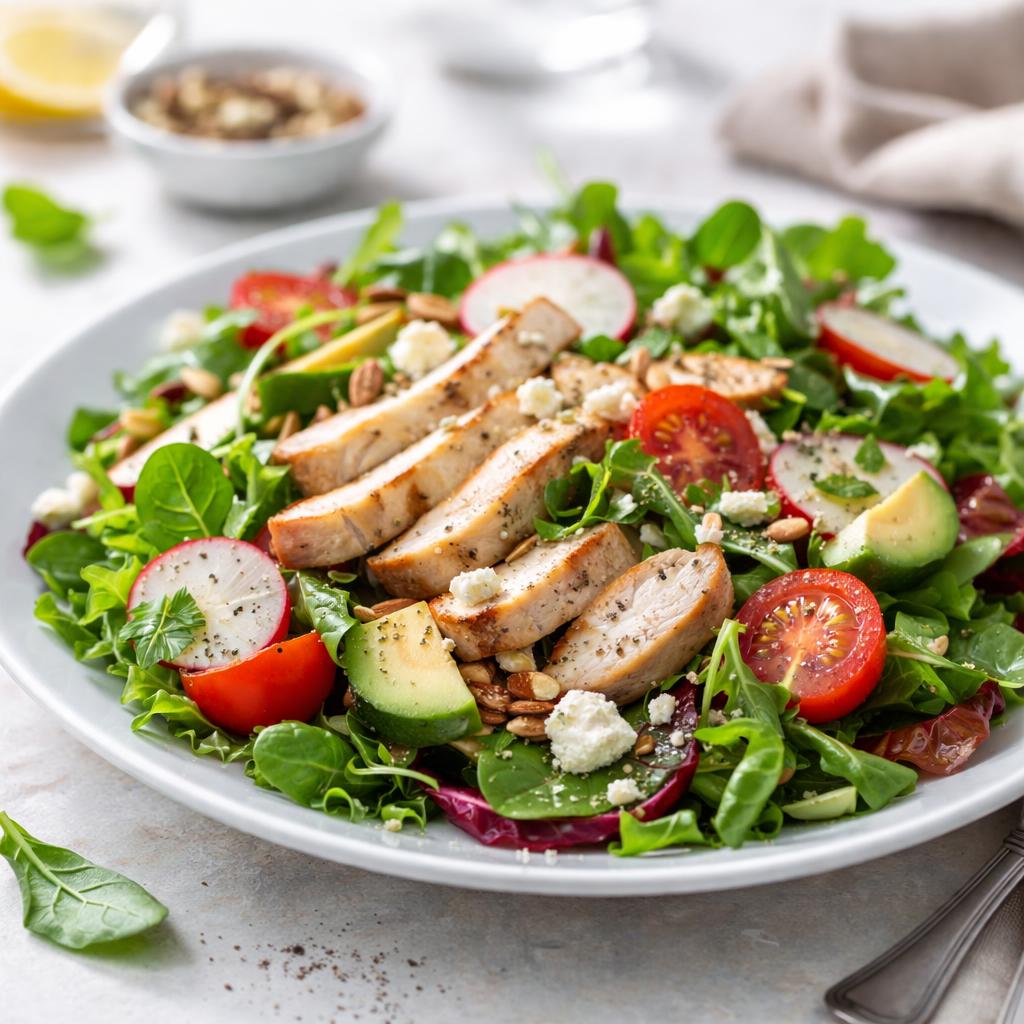
Salad
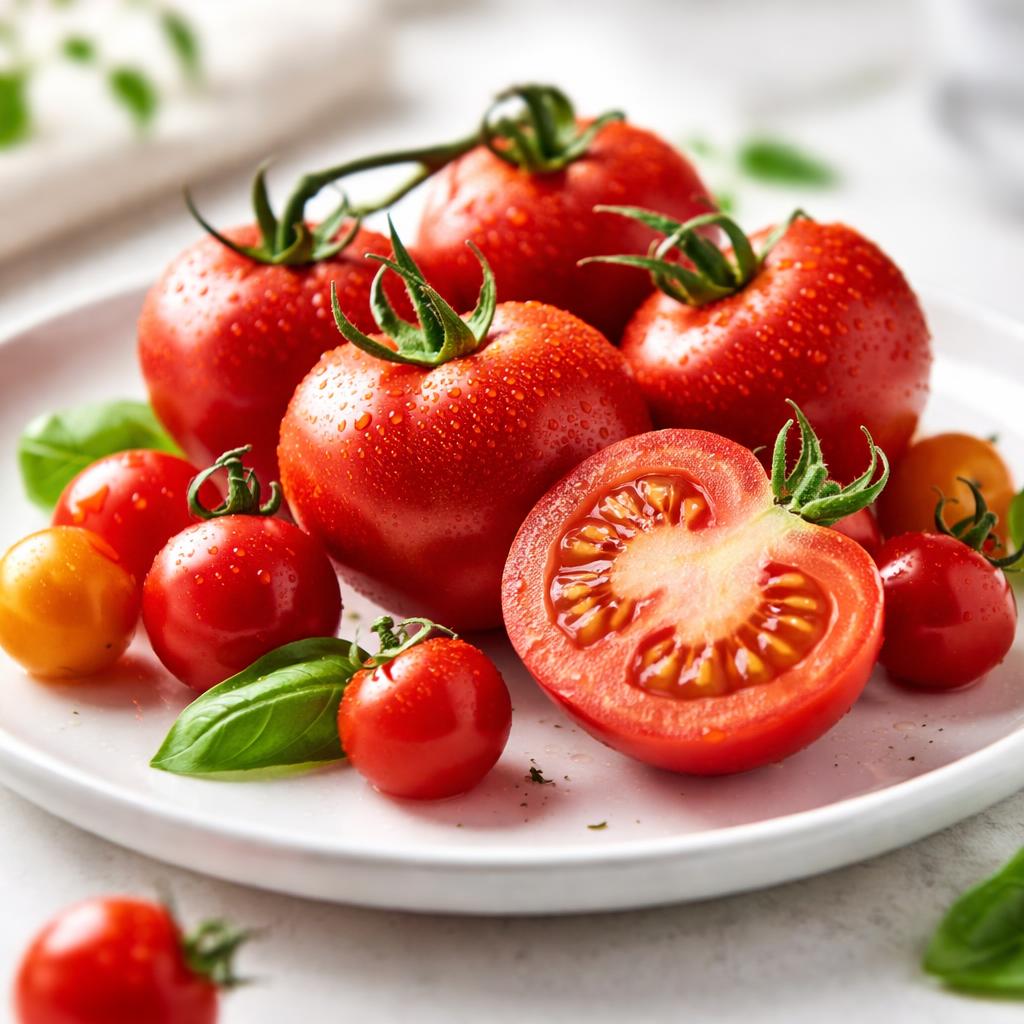
Tomatoes
🎯 Quick Verdict
Salad and tomatoes are both nutrient-dense foods but vary in their specific benefits. Salad is higher in fiber and provides a wider variety of vitamins and minerals due to its diverse ingredients, whereas tomatoes are rich in antioxidants like lycopene. Both are low in calories and suitable for weight management diets, making them great components of a healthy meal plan.

Smart Nutrition Tracking with SnapCalorie

📊 Nutritional Comparison
Macronutrients
| Nutrient | Food 1 | Food 2 | Winner |
|---|---|---|---|
| Calories | 15 | 18 | − |
| Protein | 1g | 1g | − |
| Carbs | 3g | 4g | ✓ |
| Fat | 0.1g | 0.2g | ✓ |
| Fiber | 2g | 1g | ✓ |
Vitamins & Minerals
| Nutrient | Food 1 | Food 2 | Winner |
|---|---|---|---|
| Vitamin C | 7mg | 13mg | ✓ |
| Vitamin A | 260 IU | 1000 IU | ✓ |
| Vitamin K | 22mcg | 9mcg | ✓ |
| Potassium | 125mg | 237mg | ✓ |
🏆 Category Winners
Protein
Both salad and tomatoes provide a similar amount of protein, approximately 1g per serving.
Fiber
Salad contains double the fiber of tomatoes (2g vs. 1g per serving).
Calories
Both salad and tomatoes are extremely low in calories (15 vs. 18 calories per serving).
🥗 Diet Compatibility
Keto
Food 1: Compatible
Food 2: Compatible
Both foods are low in carbs, making them suitable for keto diets.
Vegan
Food 1: Compatible
Food 2: Compatible
Both foods are plant-based and vegan-friendly.
Gluten Free
Food 1: Compatible
Food 2: Compatible
Both foods are naturally gluten-free.
Paleo
Food 1: Compatible
Food 2: Compatible
Both foods align with paleo diets as unprocessed, whole foods.
Low-Carb
Food 1: Compatible
Food 2: Compatible
Both foods are low in carbohydrates (salad: 3g, tomatoes: 4g per serving).
💪 Health Benefits Comparison
Food 1 Benefits
- Great source of dietary fiber for improved digestion
- Contains a mix of vitamins, including Vitamin K for bone health
- Low calorie, ideal for weight management
Food 2 Benefits
- Rich in antioxidants like lycopene for heart health
- High in Vitamin C to support immune function
- Contains potassium for electrolyte balance
✅ The Bottom Line
Choose salad for higher fiber content and a nutrient variety that complements weight loss diets. Opt for tomatoes if seeking lower carbs and antioxidants like lycopene. Both are excellent low-calorie additions to any diet and complement each other in meals.
Choose Food 1 for: Weight management, digestive health, general nutrition
Choose Food 2 for: Antioxidant support, immune health, hydration


