Salad VS Sweet Potatoes
A detailed nutritional comparison
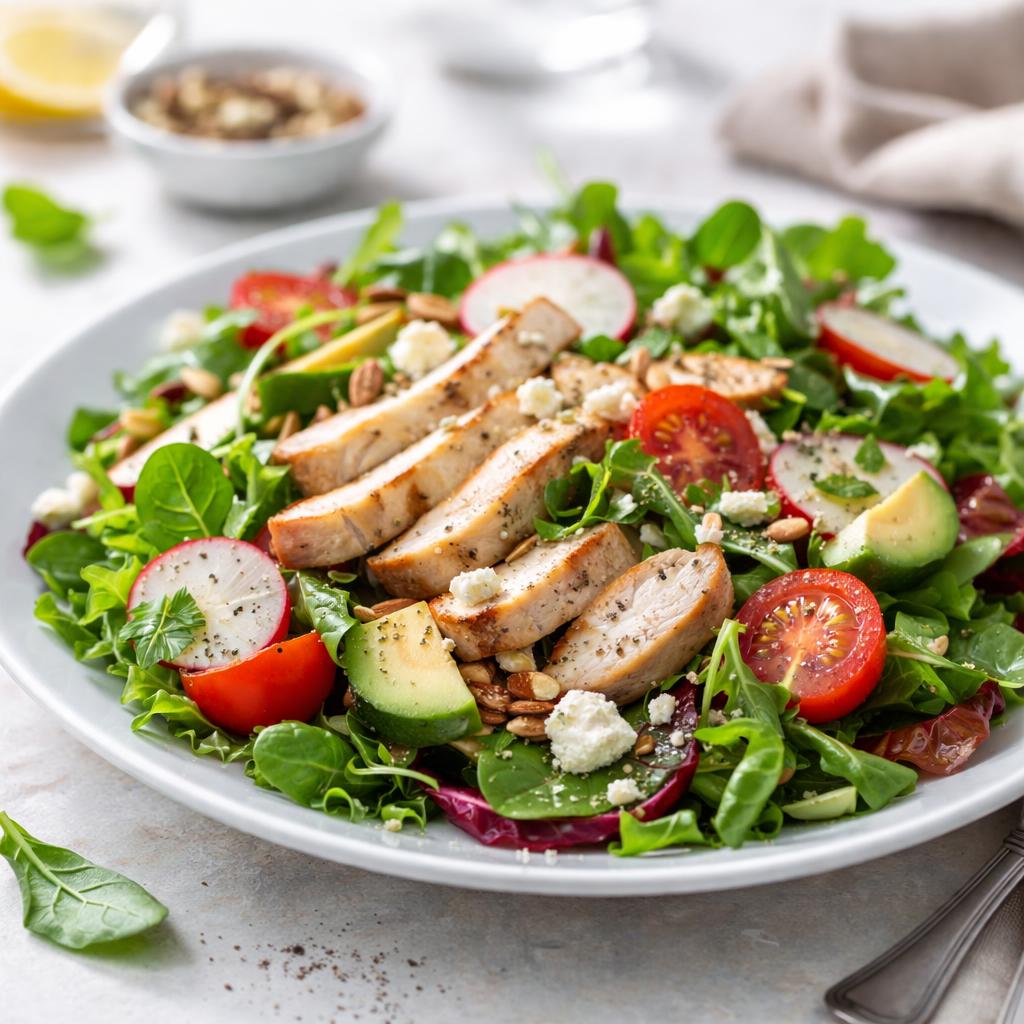
Salad
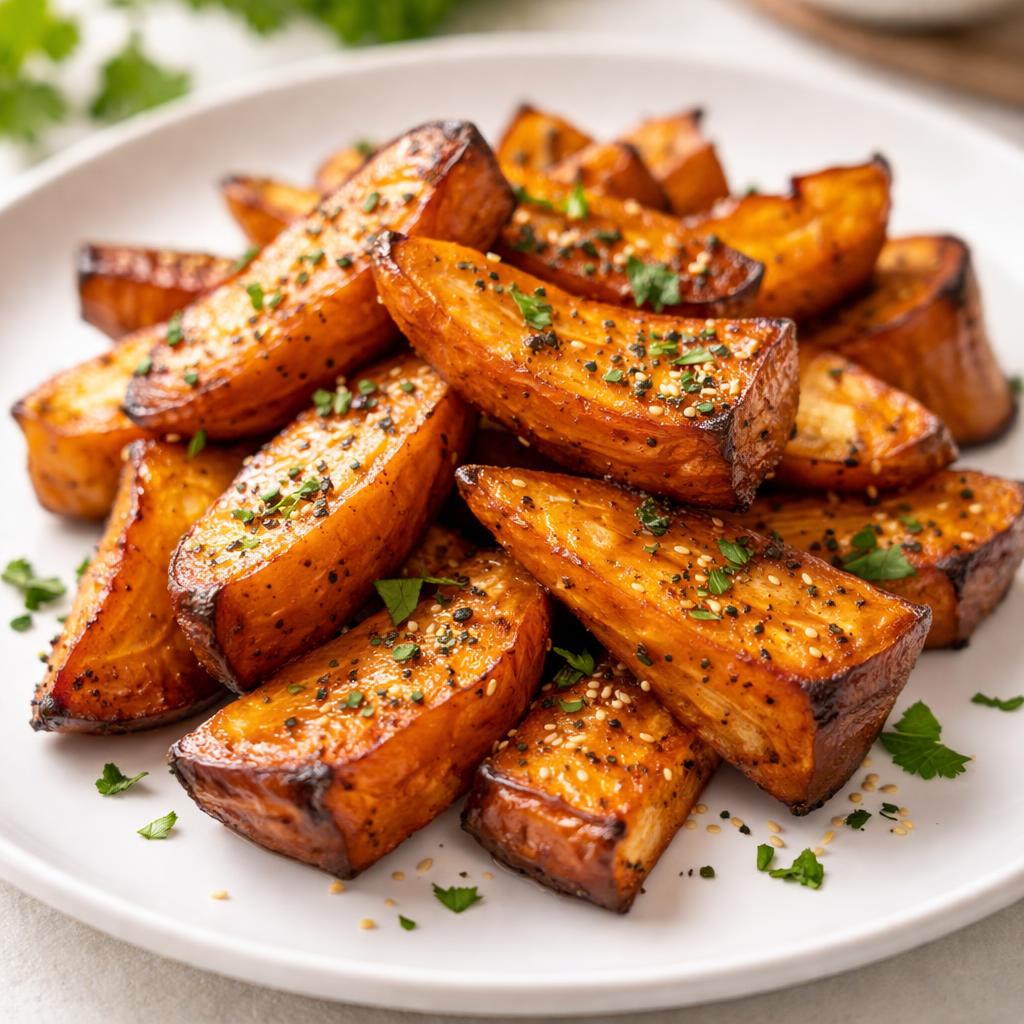
Sweet Potatoes
🎯 Quick Verdict
Salad is low in calories and ideal for weight loss, while sweet potatoes are nutrient-dense and offer sustained energy. Sweet potatoes provide more fiber, vitamins (like Vitamin A), and complex carbs, making them better for heart health and energy, whereas salad shines for light meals and diversification of greens in a diet.

Smart Nutrition Tracking with SnapCalorie

📊 Nutritional Comparison
Macronutrients
| Nutrient | Food 1 | Food 2 | Winner |
|---|---|---|---|
| Calories | 45 | 103 | ✓ |
| Protein | 2g | 2g | − |
| Carbs | 10g | 24g | ✓ |
| Fat | 0.5g | 0g | ✓ |
| Fiber | 2g | 4g | ✓ |
Vitamins & Minerals
| Nutrient | Food 1 | Food 2 | Winner |
|---|---|---|---|
| Vitamin A | 500 IU | 19218 IU | ✓ |
| Vitamin C | 10mg | 3mg | ✓ |
| Potassium | 150mg | 438mg | ✓ |
🏆 Category Winners
Protein
Both foods provide 2g of protein per serving.
Fiber
Sweet potatoes contain 2x more fiber than salad.
Calories
Salad has 56% fewer calories than sweet potatoes.
Vitamins
Sweet potatoes are exceptionally high in Vitamin A and potassium.
🥗 Diet Compatibility
Keto
Food 1: Compatible
Food 2: Not Compatible
Salad is low-carb while sweet potatoes contain higher carbs.
Vegan
Food 1: Compatible
Food 2: Compatible
Both foods are plant-based.
Gluten Free
Food 1: Compatible
Food 2: Compatible
Neither food contains gluten.
Paleo
Food 1: Compatible
Food 2: Compatible
Both fit within paleo diets as whole, natural foods.
Low Carb
Food 1: Compatible
Food 2: Not Compatible
Sweet potatoes have a higher carb content compared to salad.
💪 Health Benefits Comparison
Food 1 Benefits
- Low in calories for weight management
- Rich in Vitamin C for immunity
- Provides hydration due to high water content
Food 2 Benefits
- High in fiber for digestive health
- Rich in Vitamin A for vision and skin health
- Provides sustained energy from complex carbohydrates
✅ The Bottom Line
Choose salad for low-calorie, refreshing meals or during weight loss phases. Opt for sweet potatoes for energy, nutrient density, and improved digestion. Both are versatile, healthy options depending on dietary goals.
Choose Food 1 for: Weight loss, light meals, low-carb diets
Choose Food 2 for: Fiber intake, energy, nutrient density


