Salad VS Strawberry Yogurt
A detailed nutritional comparison
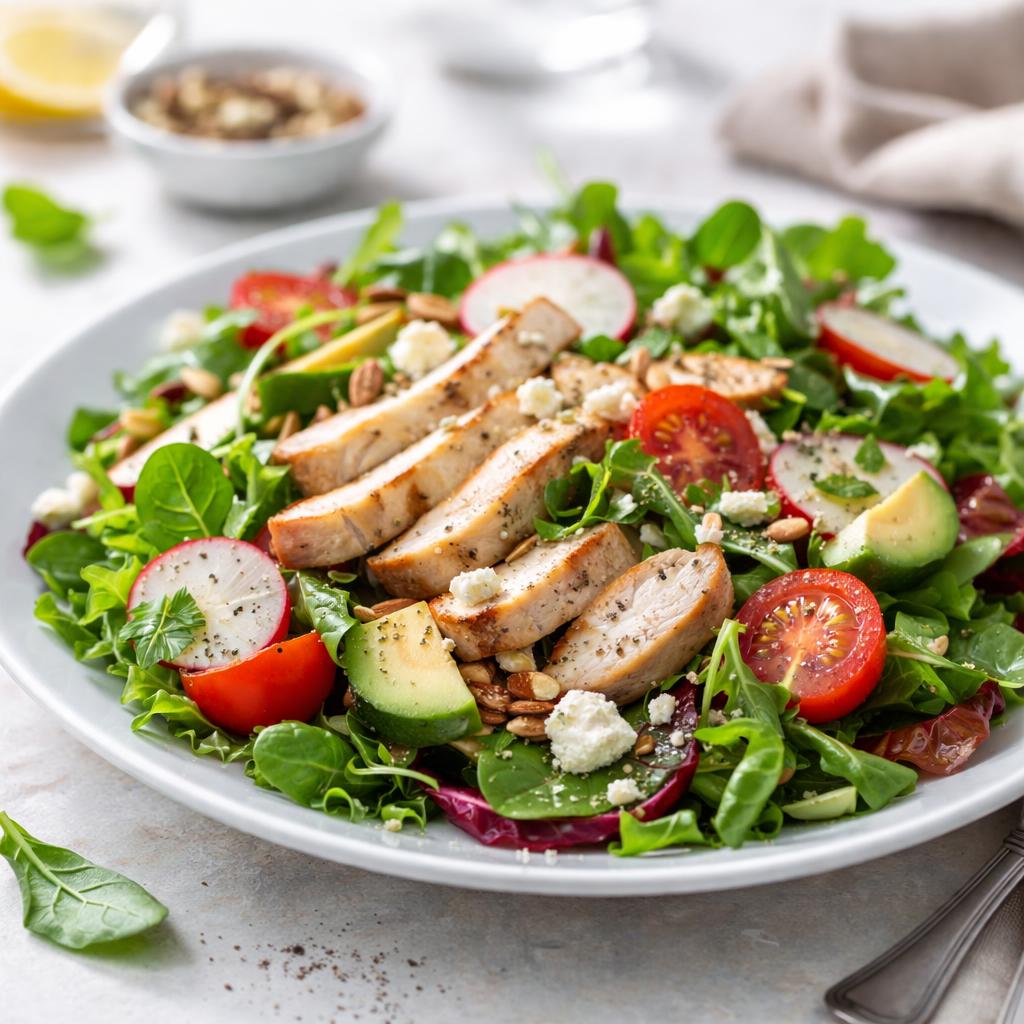
Salad
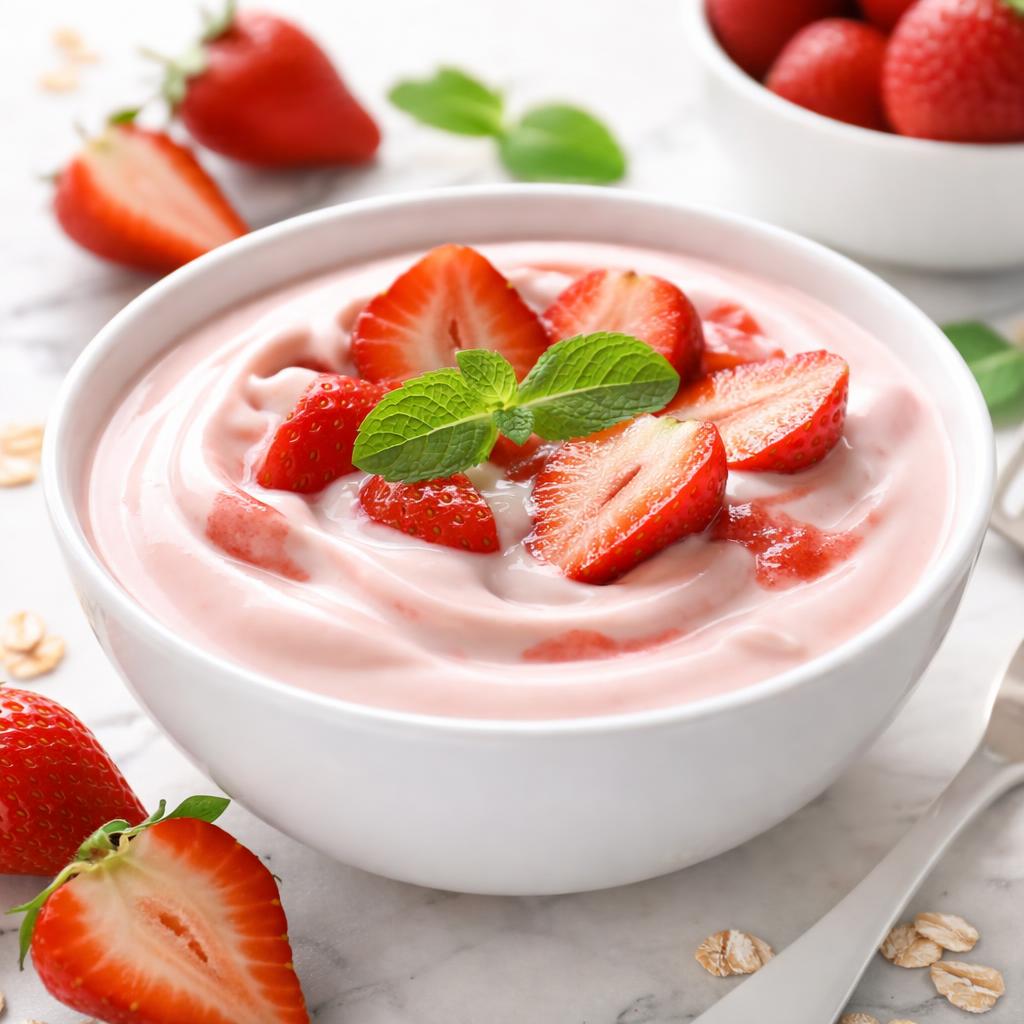
Strawberry Yogurt
🎯 Quick Verdict
Salad stands out as a low-calorie and fiber-rich food, making it ideal for weight management and digestion support. Strawberry yogurt provides more protein and fats while offering creamy texture and probiotics, which benefit gut health. Choose salad for light meals and yogurt for a protein boost or a snack option.

Smart Nutrition Tracking with SnapCalorie

📊 Nutritional Comparison
Macronutrients
| Nutrient | Food 1 | Food 2 | Winner |
|---|---|---|---|
| Calories | 50 | 150 | ✓ |
| Protein | 2g | 6g | ✓ |
| Carbs | 10g | 22g | ✓ |
| Fat | 0.5g | 3.5g | ✓ |
| Fiber | 3g | 0g | ✓ |
Vitamins & Minerals
| Nutrient | Food 1 | Food 2 | Winner |
|---|---|---|---|
| Vitamin C | 20mg | 10mg | ✓ |
| Calcium | 30mg | 150mg | ✓ |
| Iron | 1mg | 0mg | ✓ |
🏆 Category Winners
Protein
Strawberry yogurt has 3x more protein than salad.
Fiber
Salad offers 3 grams of fiber per serving, while yogurt contains none.
Calories
Salad has 67% fewer calories than yogurt.
Vitamins
Salad provides more vitamin C and iron, making it beneficial for immunity and blood health.
🥗 Diet Compatibility
Keto
Food 1: Compatible
Food 2: Not Compatible
Salad is low-carb, while yogurt has 22g of carbs.
Vegan
Food 1: Compatible
Food 2: Not Compatible
Salad is plant-based; yogurt contains dairy.
Gluten Free
Food 1: Compatible
Food 2: Compatible
Neither contains gluten.
Paleo
Food 1: Compatible
Food 2: Not Compatible
Salad fits paleo guidelines; yogurt does not due to dairy content.
Low Carb
Food 1: Compatible
Food 2: Not Compatible
Salad contains only 10g of carbs, making it suitable for low-carb diets.
💪 Health Benefits Comparison
Food 1 Benefits
- High in fiber for digestive health
- Low calorie content supports weight management
- Contains vitamin C for immune function
- Rich in antioxidants from greens and vegetables
Food 2 Benefits
- Provides probiotics for gut health
- High protein content for muscle repair
- Includes calcium for bone health
- Good source of energy from natural sugars
✅ The Bottom Line
Salad is the better option for low-calorie diets, adding fiber, micronutrients, and hydration to meals. Strawberry yogurt serves best as a protein-rich snack option or a sweet treat with added gut health benefits. Choose salad for weight loss and whole-food nutrition and yogurt for a quick post-workout snack or calcium boost.
Choose Food 1 for: Weight management, fiber-rich diets, immune support
Choose Food 2 for: Protein-rich snacks, post-workout recovery, gut health


